On the 50-year anniversary of the happening that propelled Korean artist Lee Kang So to international renown at the 9th Paris Biennale in 1975, this exhibition restages the work in Paris for the first time. The avant-garde performance, in which Lee Kang So casts a live chicken as an artist, is accompanied by works in hemp cloth executed the same year, as well as photographic, video and sculptural works that retrace his wider practice during the 1970s. A selection of paintings is also on view, testifying to the development of Lee Kang So’s artmaking in the decades that followed this decisive period.

Watch a video of the artist discussing the works on view
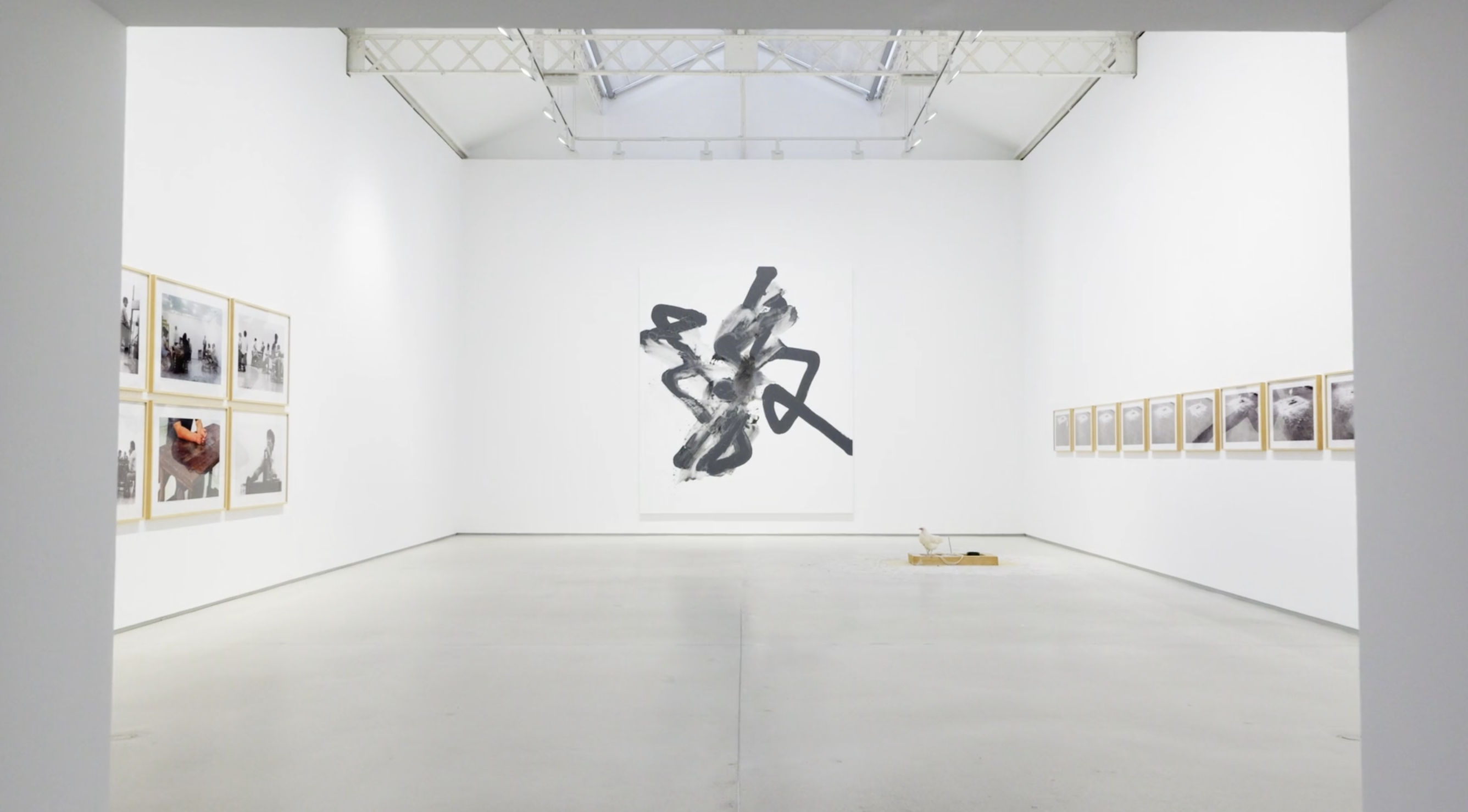

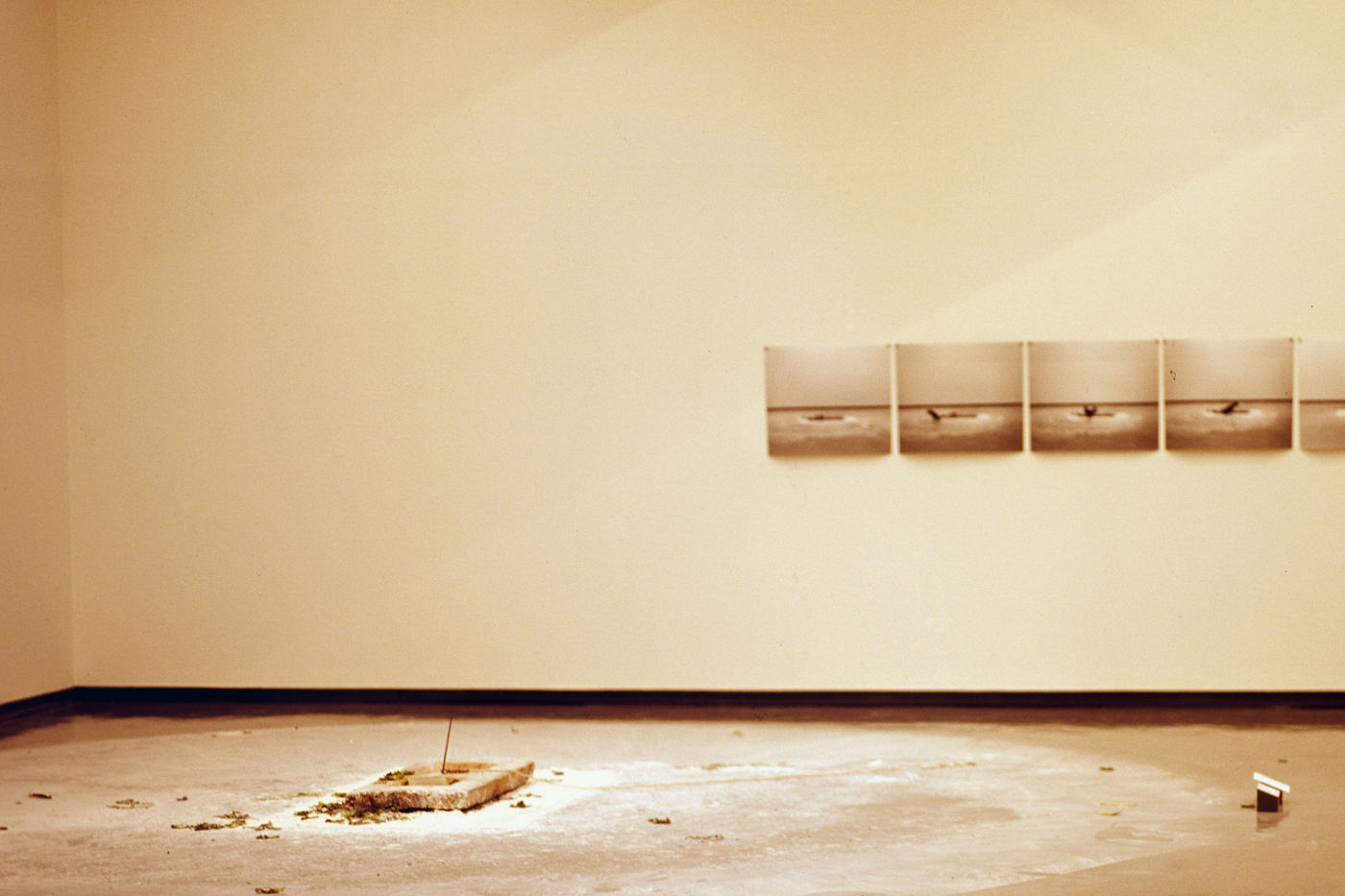
In the 1970s, through avant-garde performances and installations, Lee Kang So developed a highly experimental practice that profoundly shaped the evolution of Korean contemporary art. His international reputation was cemented at the 1975 Paris Biennale with his presentation at the Musée d’Art moderne de la Ville de Paris of Untitled-75031, a work co-authored by a borrowed chicken, which, tethered to a wooden feeder surrounded by powdered chalk, explored the area allowed by its tether leaving chalky footprints on the floor.

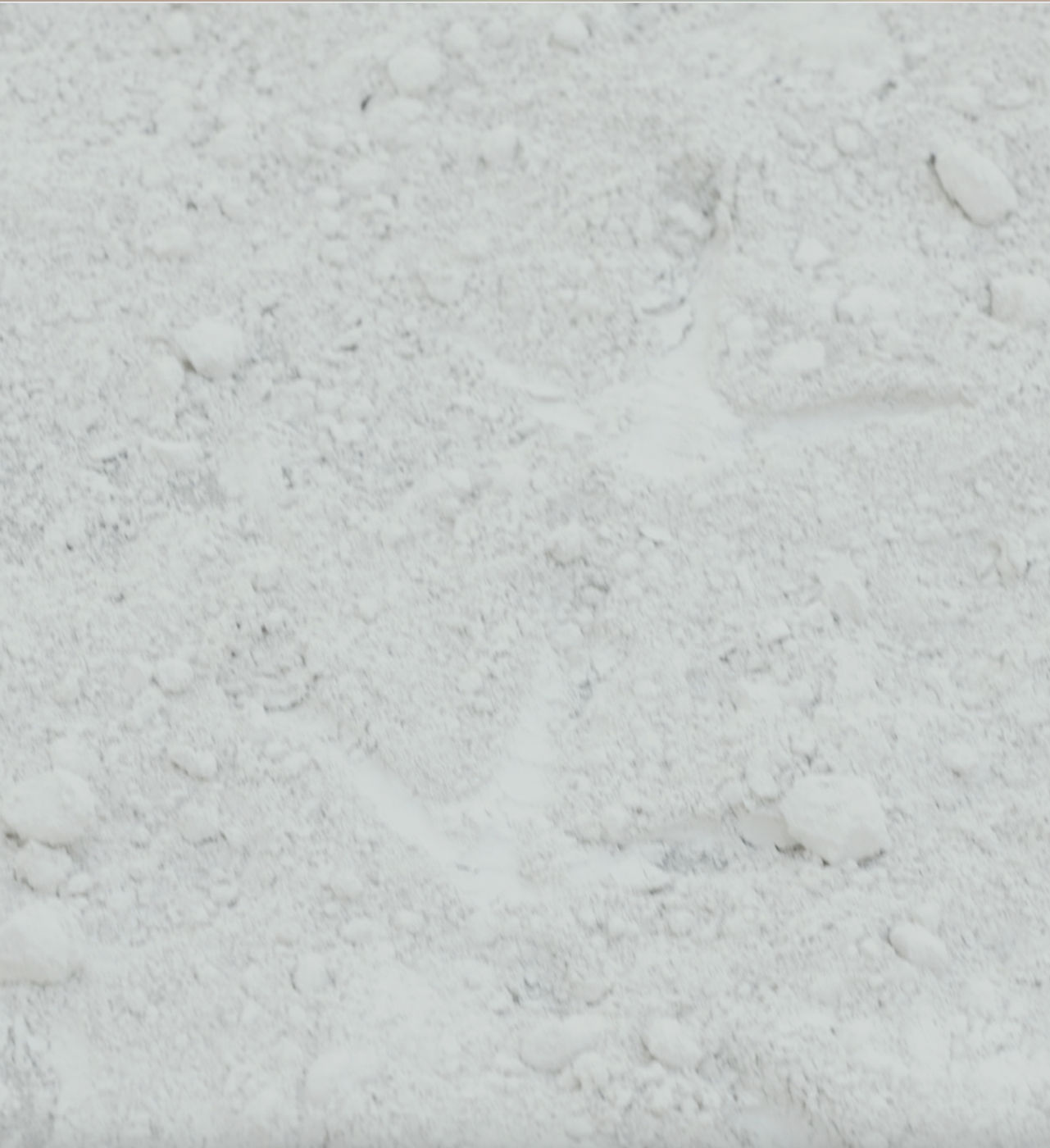
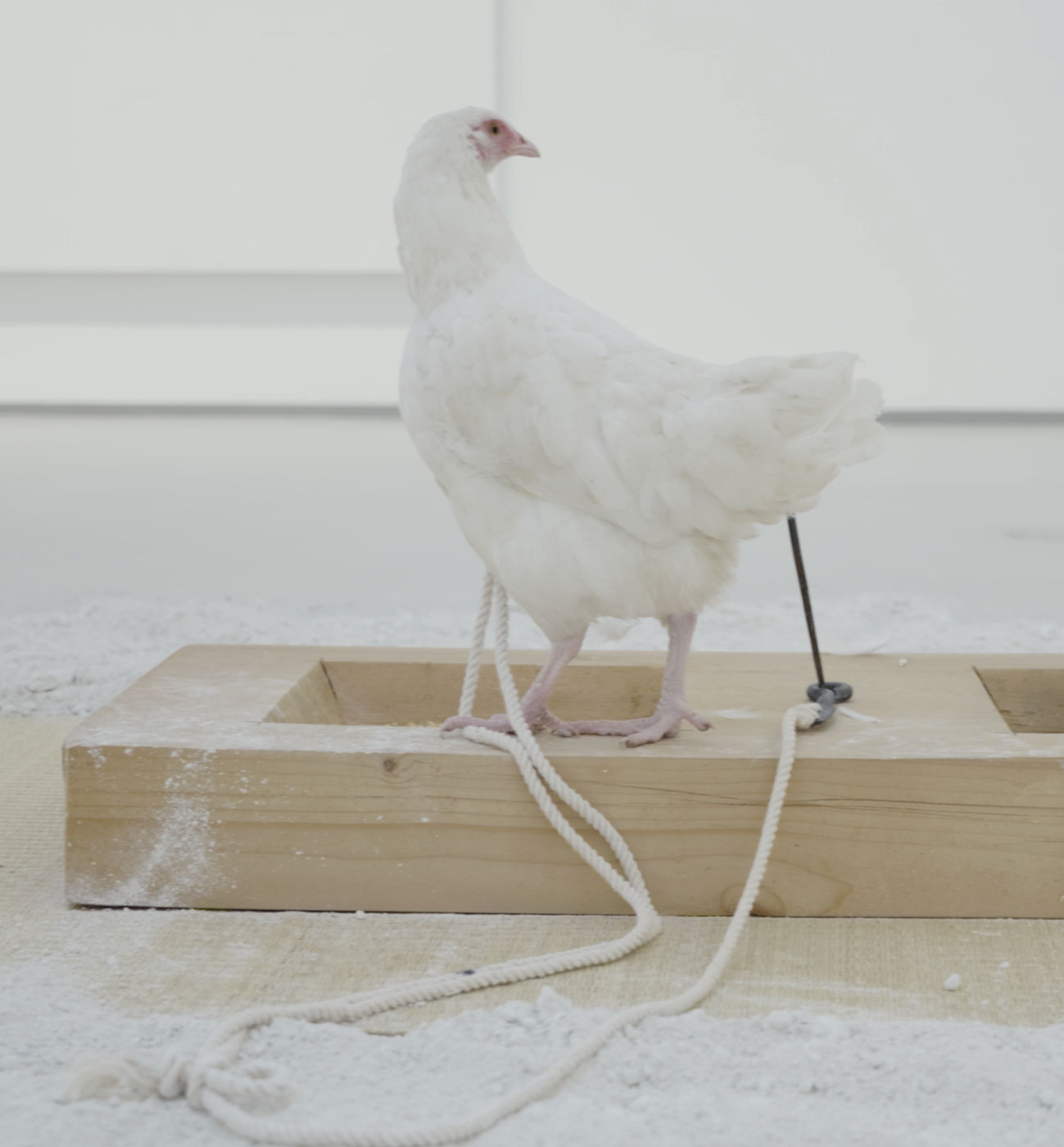
In recognition of the work’s 50th anniversary, it was executed again at the Paris Marais gallery, with the chicken making its chalky marks during the opening of the exhibition. The final work comprises these dusty concentric traces of the chicken’s presence without the animal itself. A leading figure in the Process Art movement emerging in Korea in the 1970s, Lee Kang So transcends his own artistic autonomy to express the immaterial – presence and absence, time and transience.
Untitled-75031, 1975Wood, hen, iron, rope, straw mat, onggi bowl, flour, grain, chalk,
and 10 digital chromogenic prints (reprinted in 2016)
Installation dimensions variable
Photographs (each) 40 x 60 cm (15.75 x 23.62 in)
Ed. 6 of 10


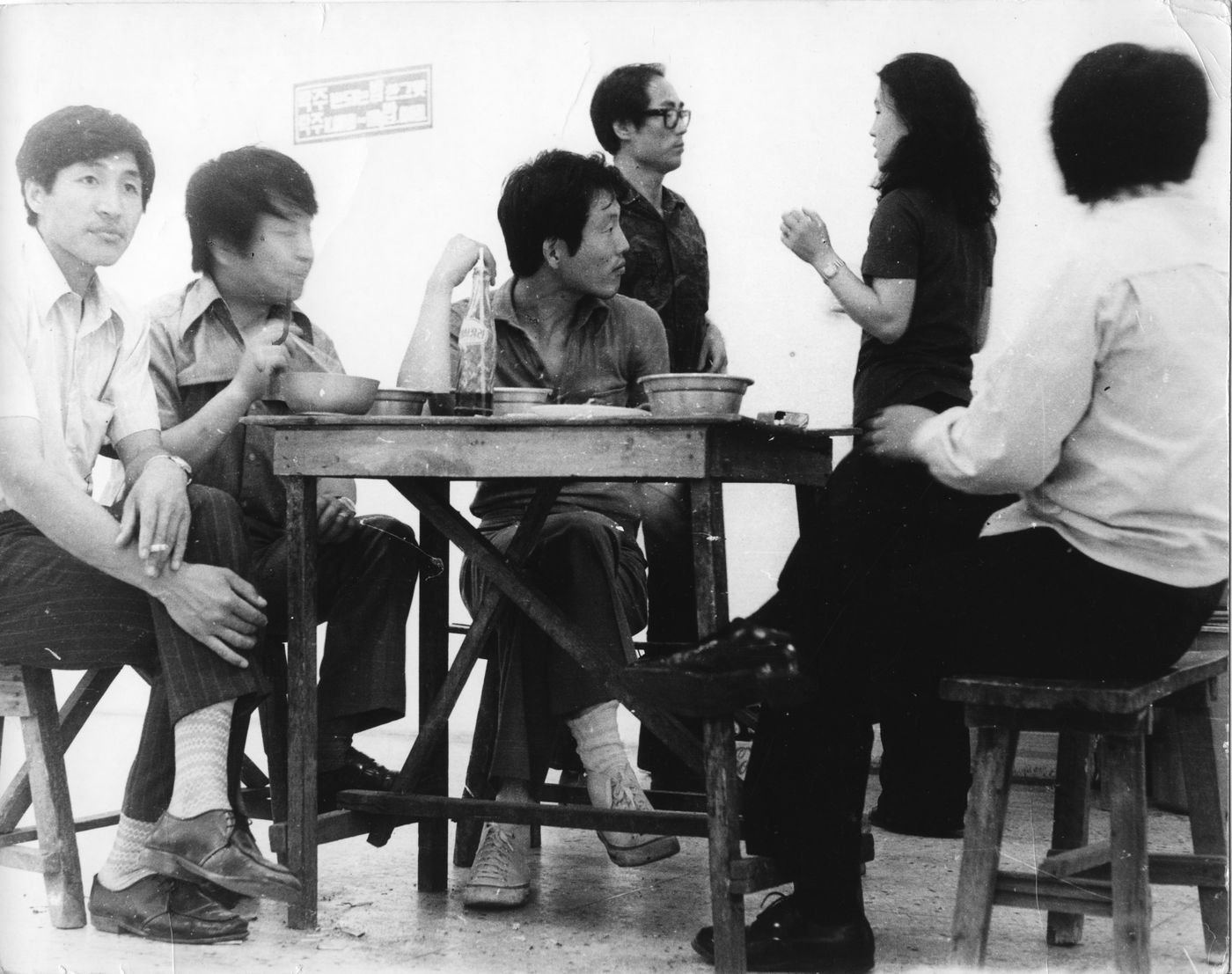
The recasting of documentation of past performances as artworks in their own right is central to Lee Kang So’s meditation on ideas of transience and transformation. The exhibition notably presents photographs of his pioneering Disappearance installation of 1973.
Disappearance, 1973 (printed in 2018)10 digital chromogenic prints
66 x 99 cm (25.98 x 38.98 in)
Ed. 7 of 10


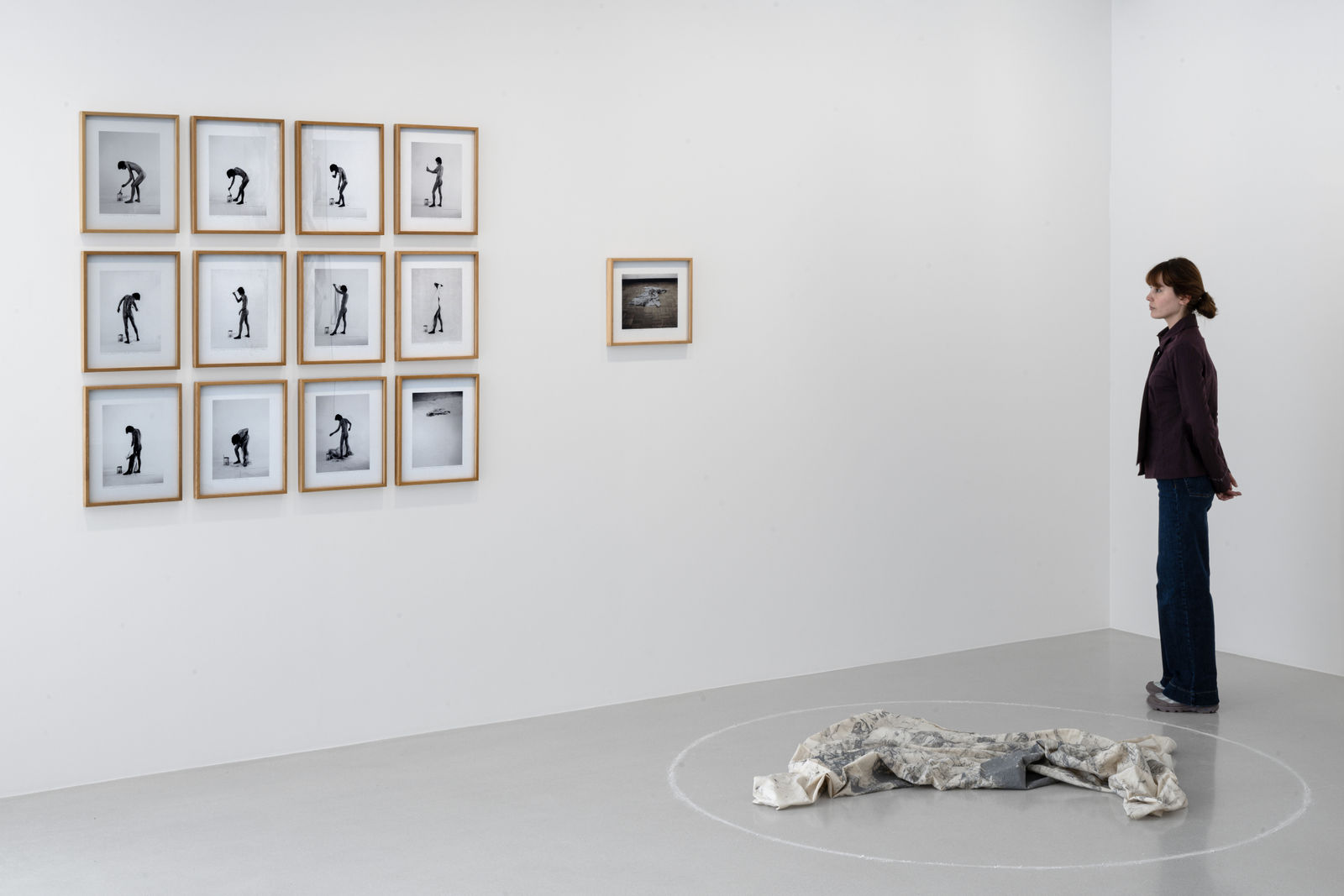
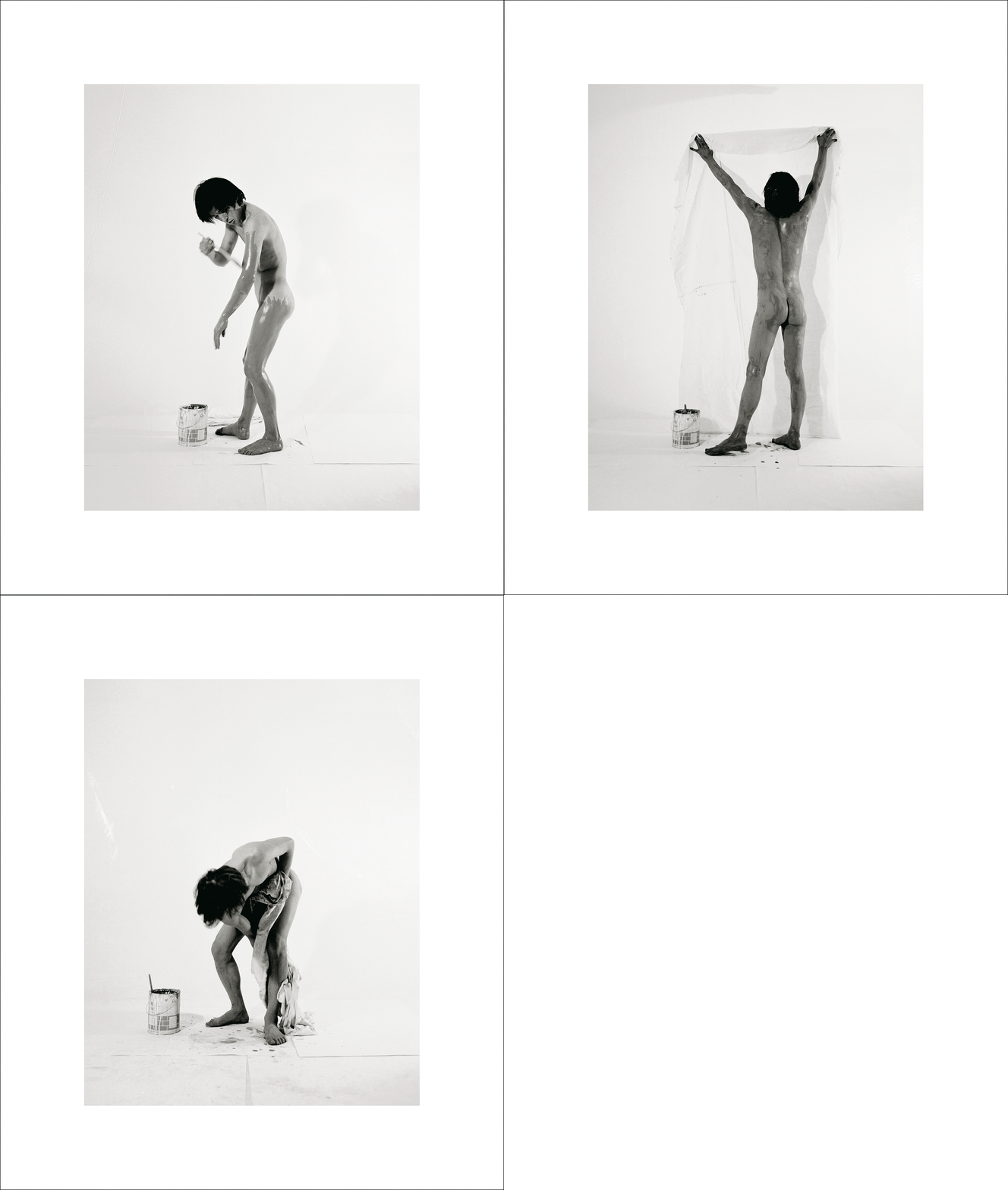
The exhibition presents several further examples of the artist’s experimental installations and performances from the 1970s through documentation and sculptural artefacts that become relics of the original events. Among them, a group of black-and-white photographs testify to the unfolding of the 1977 Painting (Event 77-2), in which a nude Lee Kang So paints his own body before wiping himself down with a canvas cloth: a gesture the artist relates to Yves Klein’s Anthropometries.
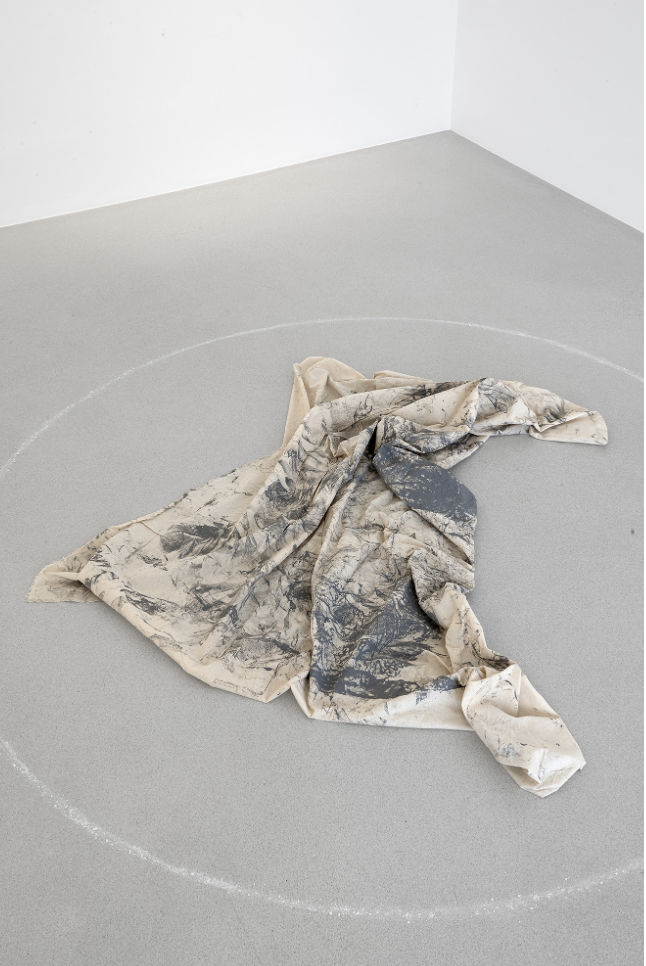
The original cloth becomes a static sculptural object on the floor of the gallery, forming a reflection on the embodiment of experience and existence: ‘a tactile portrait’, in the artist’s words.
Painting (Event 77-2), 197713 digital chromogenic prints, canvas cloth, paint
Image (each) 35 x 29.5 cm (13.78 x 11.61 in)
Cloth dimensions variable
Ed. 9 of 10
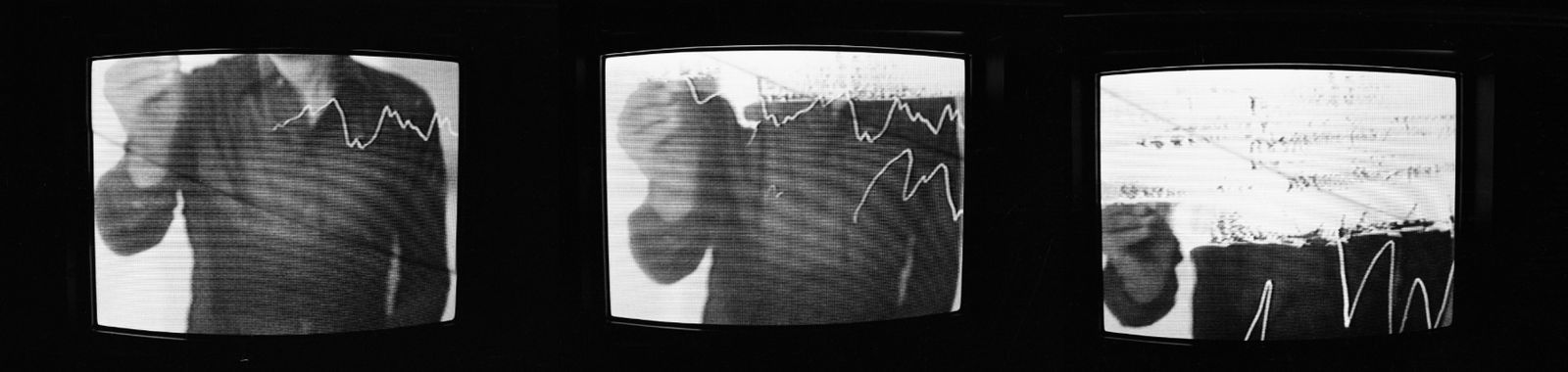
Painting 78-1 (1977), Lee Kang So’s first foray into video art, also investigates the act of painting. The artist positioned a sheet of glass in front of a camera and filmed himself painting it, reversing the typical relationship of viewer to artwork by allowing us to observe the act of painting from behind an imagined canvas, as the artist’s body gradually vanishes behind the brushstrokes.

During the 1970s, Lee Kang So not only developed a groundbreaking practice off the canvas, but also interrogated the very praxes of painting by exploring its fundamental component: its very fabric. This is evidenced by the two 1975 works in hemp on view in the exhibition, which were created in Paris as the artist prepared for the Biennale.
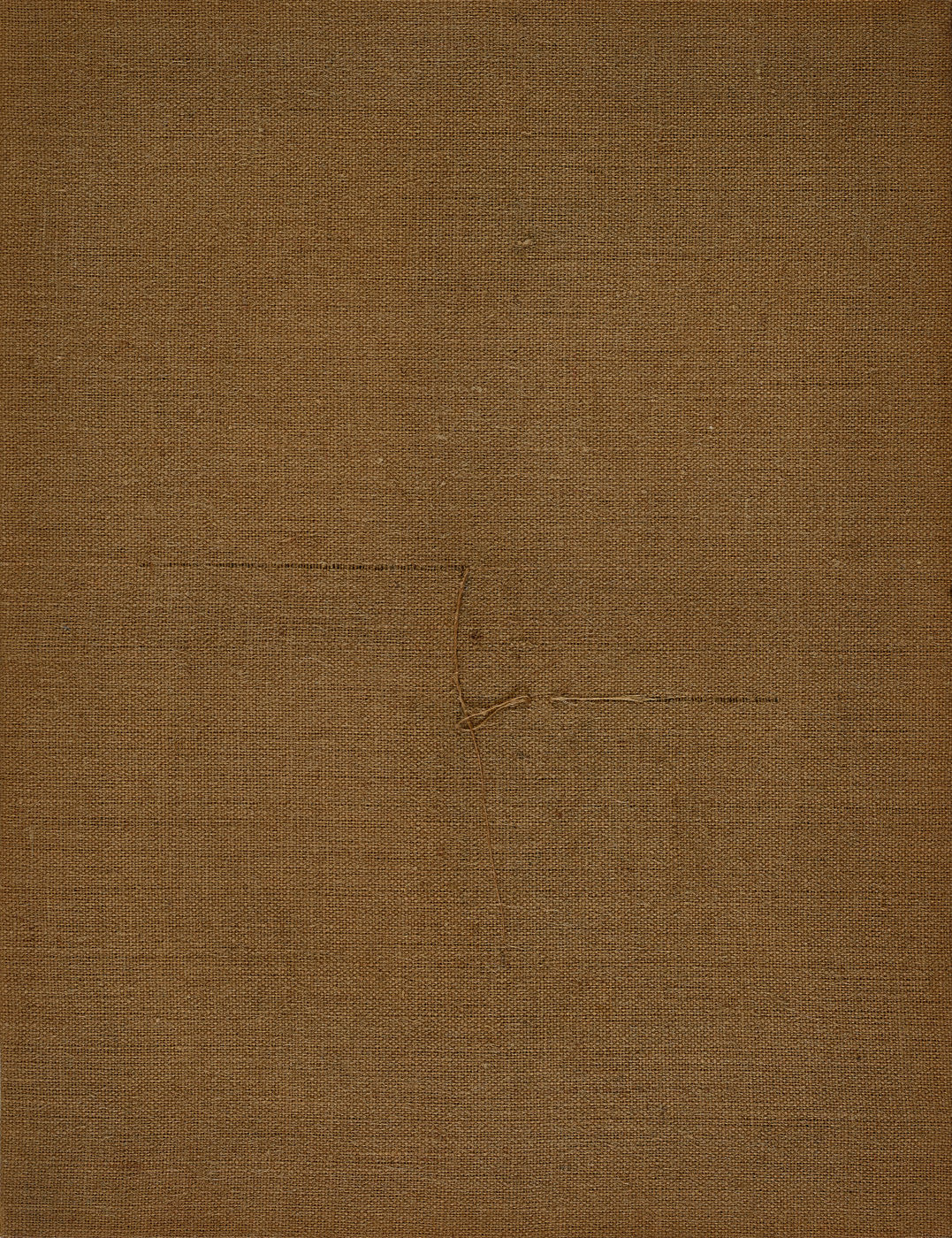
‘If I was going to pursue a new format of flat painting’, states the artist, ‘I had to first examine the structure of the flat surface’. As such, these trailblazing works are made by pulling threads from the woven hemp – a traditional support used in historic Korean art – to create areas of tension and opening, pucker and cavity. As Lee Kang So explained: ‘I realised that the canvas itself had potential as an artwork’.
Untitled-7582, 1975
Hemp cloth, canvas
65.2 x 50 cm (25.67 x 19.69 in)

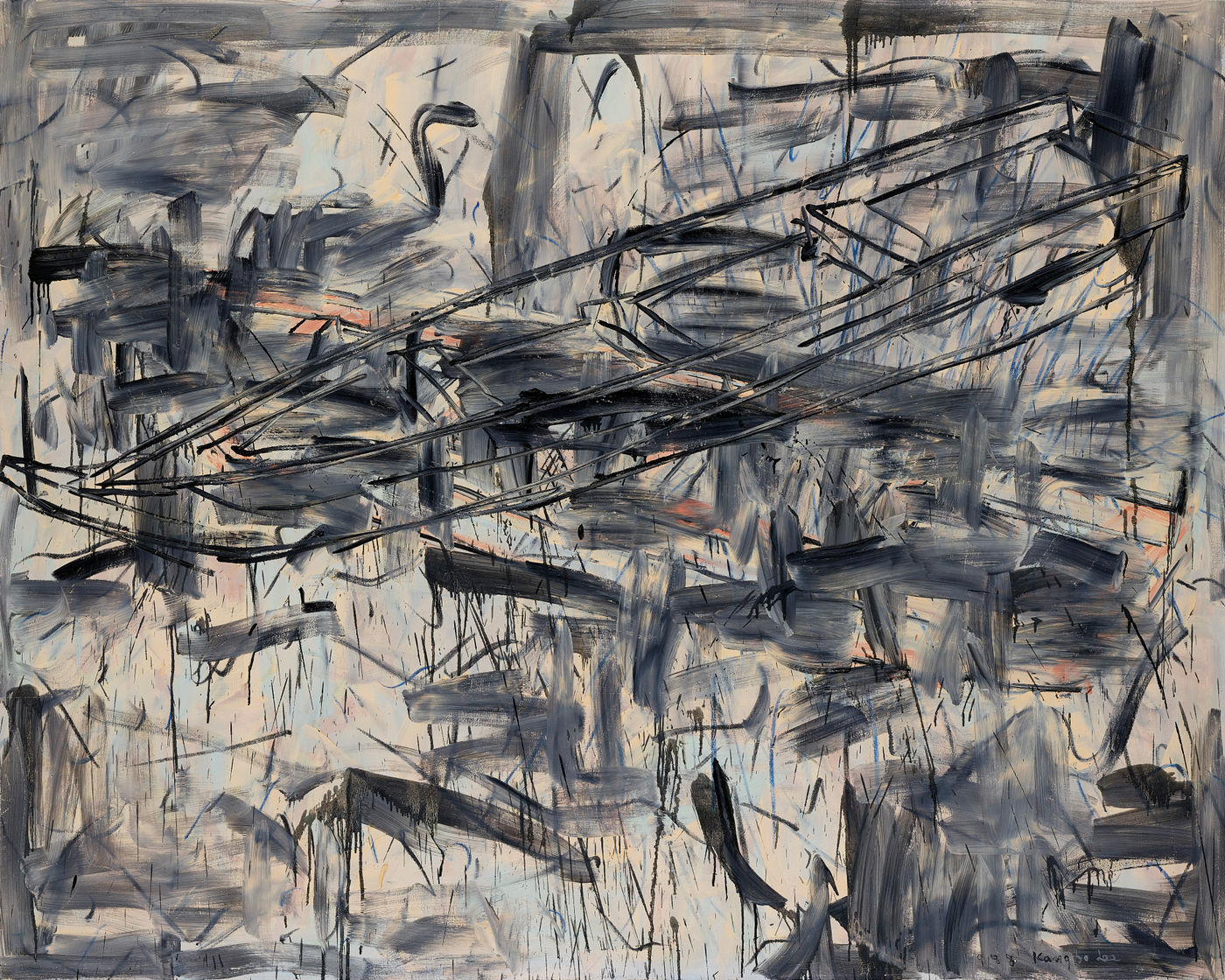
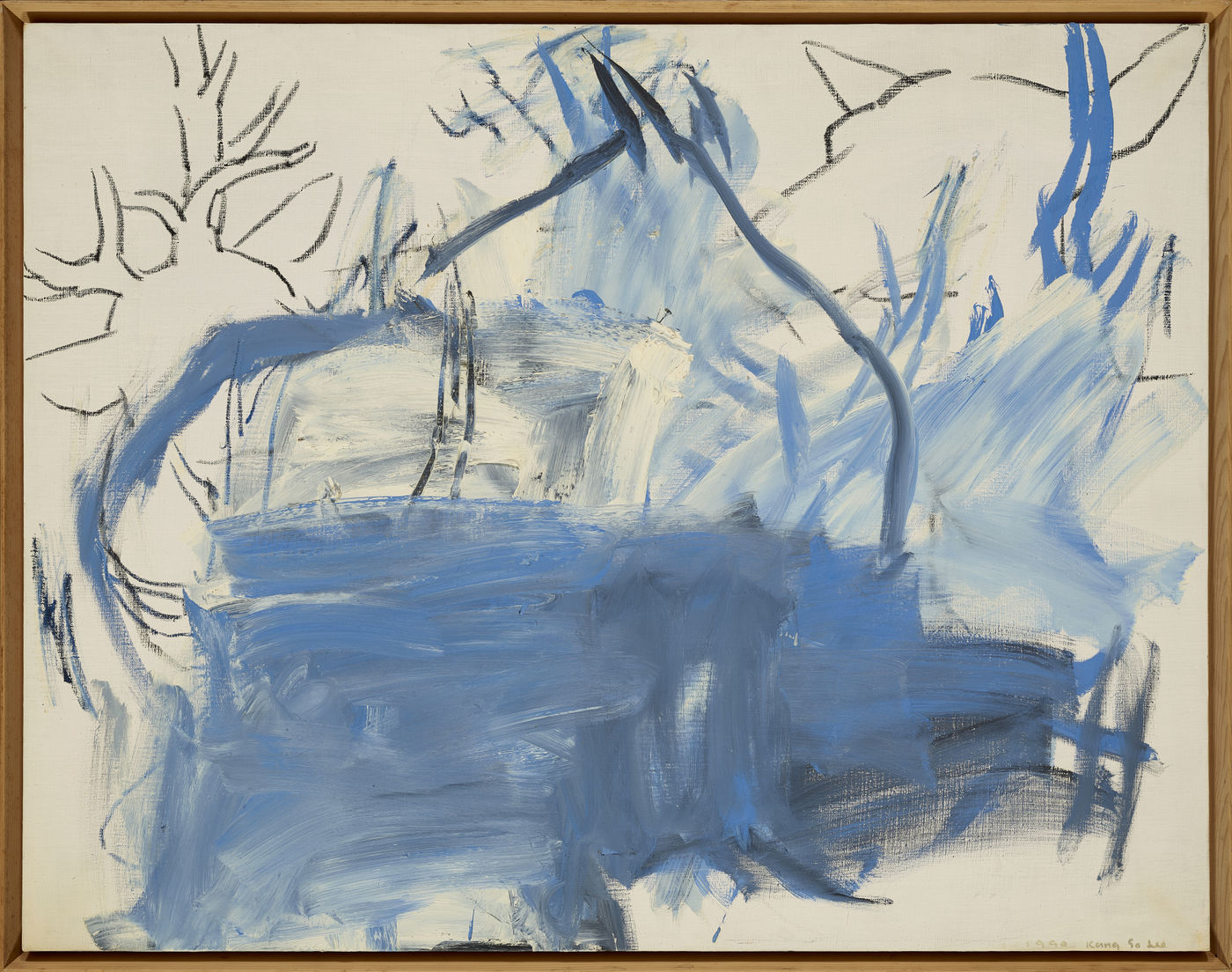
From the 1980s onwards, Lee Kang So shifted his attention to painting in the more conventional sense, commencing an exploration of landscape through recurring motifs like boats, deer and ducks, articulated in sparse brushstrokes.
Untitled-88011, 1988
Oil on canvas
182 x 227 cm (71.65 x 89.37 in)


Untitled-91036, 1991
Oil on canvas
91 x 116.7 cm (35.83 x 45.94 in)
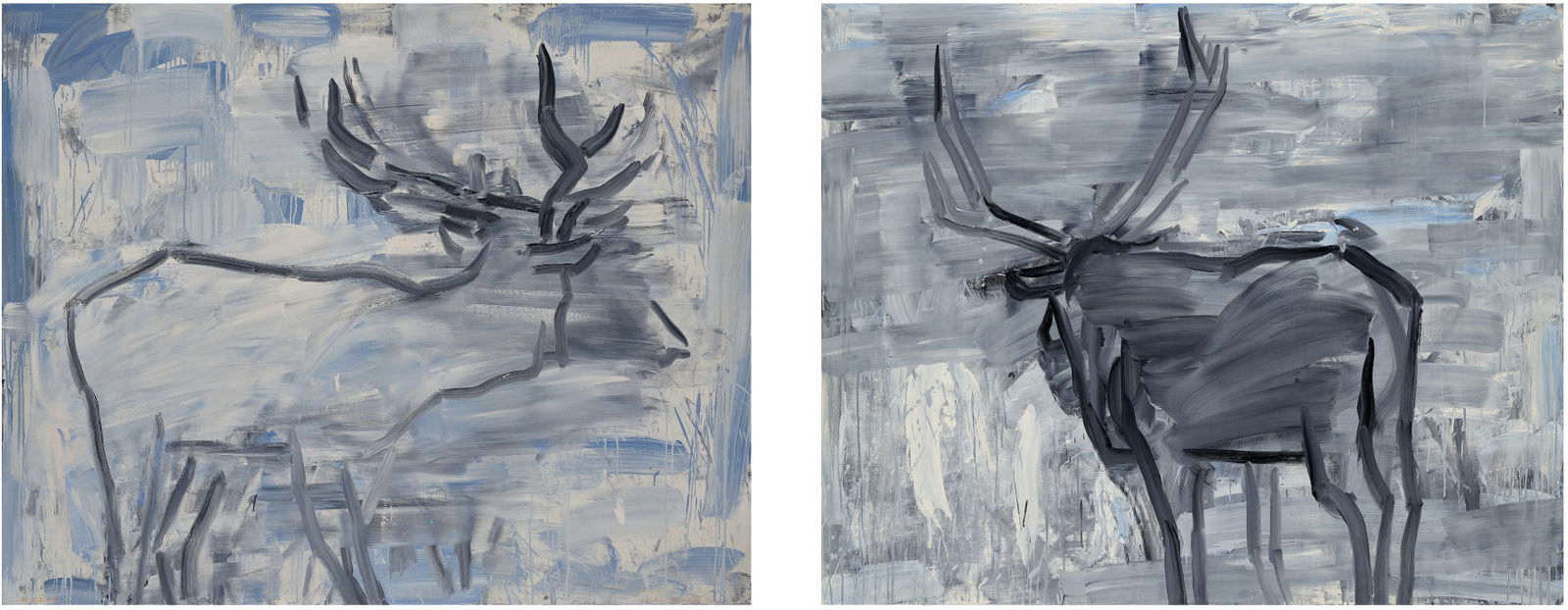
A leitmotif in Lee Kang So’s practice, the deer is an auspicious creature in Taoism and shamanism that symbolises harmony with nature. The artist also employs the animal as a vehicle for his exploration of the liminal space between abstraction and figuration.
Untitled-90135, 1990
Oil on canvas
91 x 116.7 cm (35.83 x 45.94 in)


Over the course of the 1990s and into the 21st century, Lee Kang So’s signature motifs have gradually dissolved, their stylistic impulsivity and reduction, which increasingly recall the calligraphic strokes of literati painting, betraying the artist’s growing sensitivity to the ineffable forces of the world around him.
Island-99165, 1999Acrylic on canvas
162 x 130.3 cm (63.78 x 51.3 in)

The title of the exhibition is drawn from a classical Korean poem written by Yi Hwang, a renowned 16th-century Confucian scholar. Composed during a retreat to Andong mountain, the poem reflects Yi Hwang’s deep engagement with nature: ‘Dwelling in mist and glow / Befriending wind and moon’.
Island-98153, 1998
Acrylic on canvas
227.3 x 181 cm (89.49 x 71.26 in)
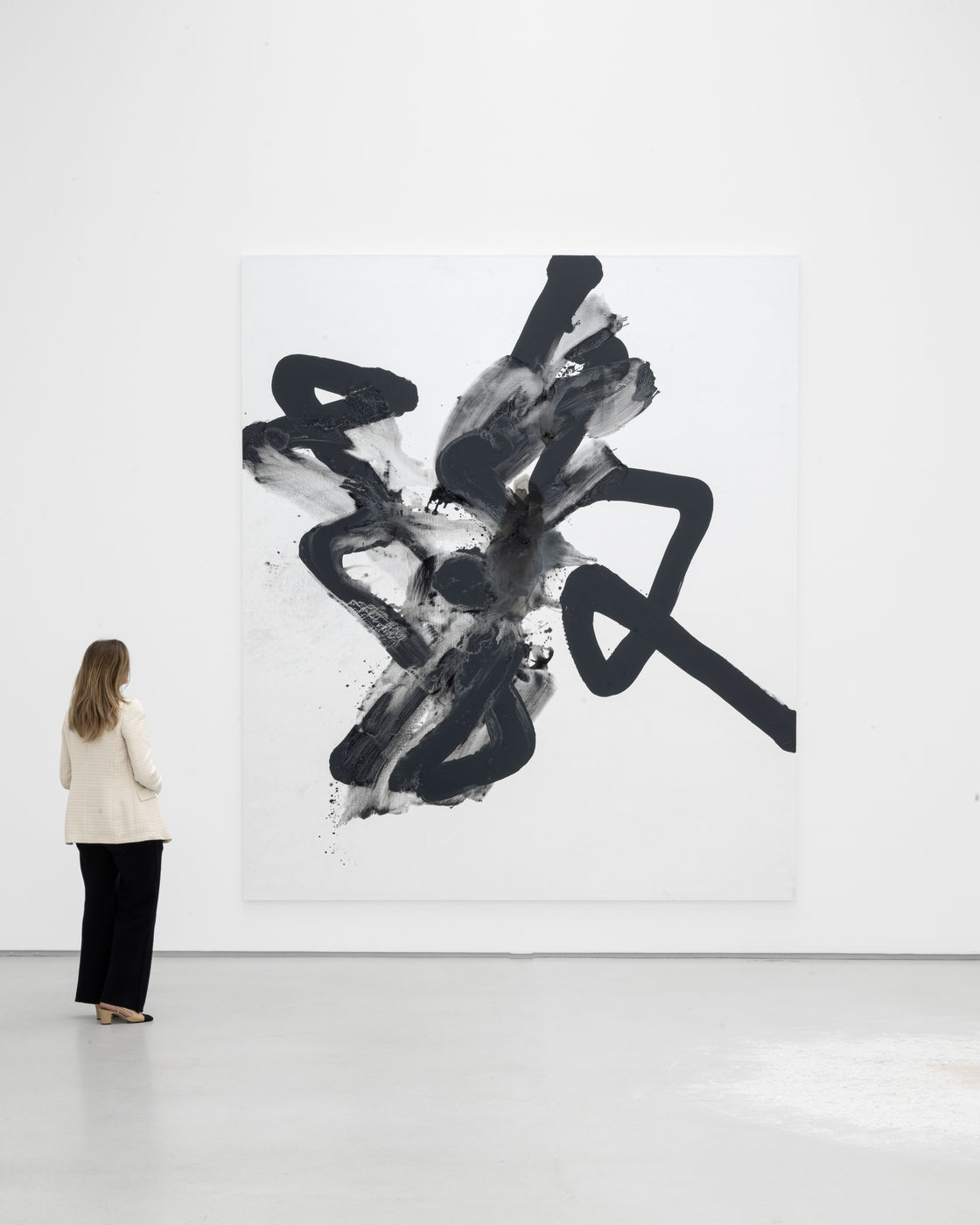
Lee Kang So profoundly resonates with the poet’s sense of unity with nature, which echoes his own conception of art as an act of attunement with the natural realm and its ever-shifting rhythms, rather than personal assertion.
Serenity-16181, 2016Acrylic on canvas
310 x 360 cm (122.05 x 141.73 in)

Uniting the works on view is their embodiment, as Lóránd Hegyi, curator of Lee Kang So’s 2016 exhibition at the Musée d’Art Moderne et Contemporain de Saint-Étienne Métropole, put it, of the ‘essential, basic questions of the human orientation in the universe’. Whether through the retreat of the creator’s hand in his performances, or through the sense that his paintings are gradually being reclaimed by the intangible, Lee Kang So questions artistic authority and even the very idea of objective reality, instead making art a space of resonance for the viewer’s own perceptive possibilities. ‘By erasing himself within his works’, wrote Lee Soo Yon, curator at the National Museum of Modern and Contemporary Art, Korea (MMCA), ‘he invites the audience to complete the piece.’

Lee Kang So (b.1943, Daegu) is one of Korea’s foremost contemporary artists. Since the 1970s he has worked across photography, painting, printmaking, sculpture, installation and performance to develop a highly experimental practice that has profoundly shaped the evolution of Korean contemporary art.