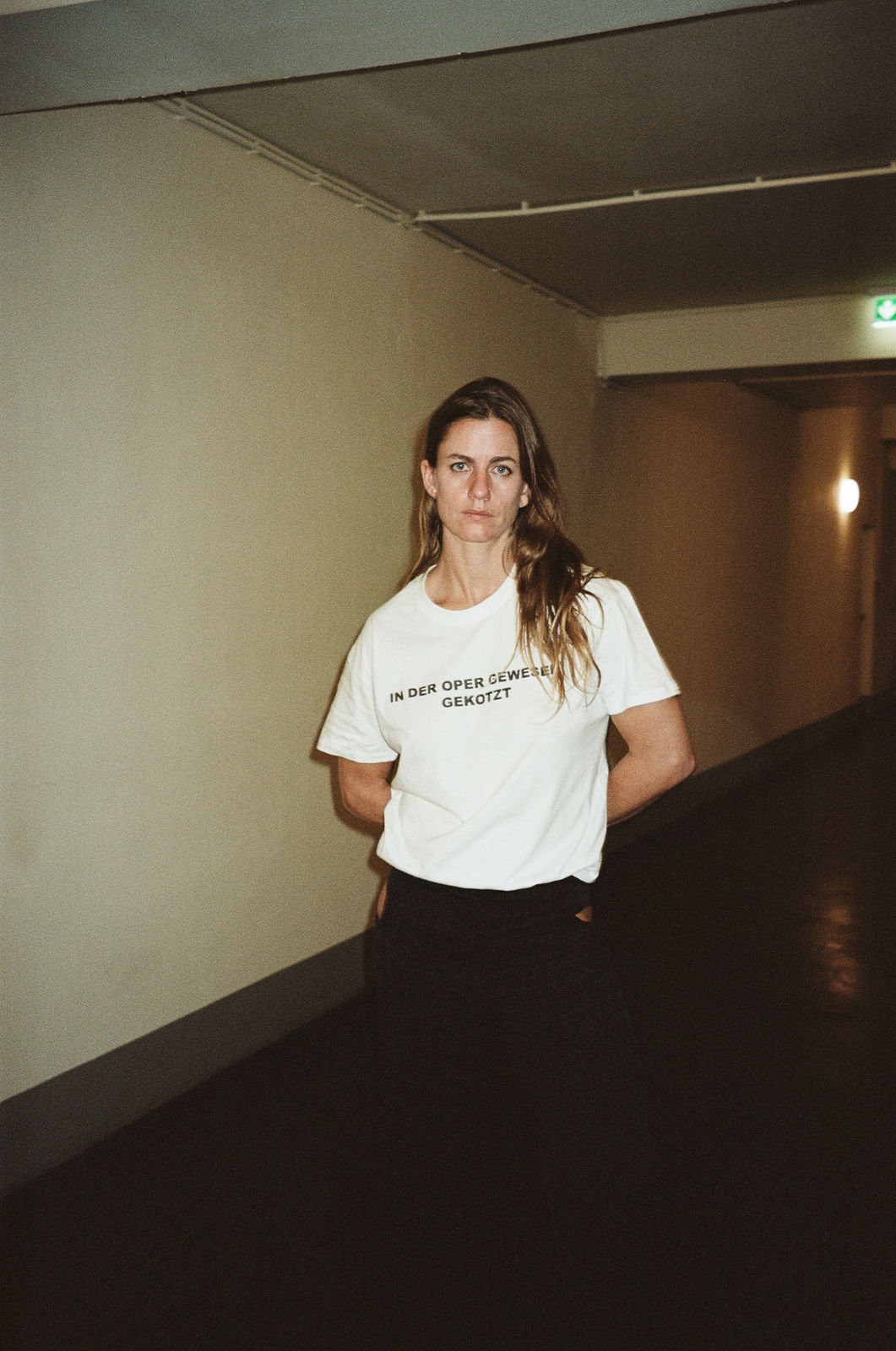
Ophelia's Got Talent Florentina Holzinger's radical reinvention of the stage
There is a question that hovers over almost every conversation about contemporary art, one that has probably never had a straightforward answer: should art comfort us or unsettle us? For years, we have tended to assume that a work of art fulfils its purpose when it moves us, entertains us or, at best, inspires admiration. Yet some of the most significant artistic practices of our time seem to pursue a very different ambition. They do not seek to send audiences home with neatly packaged answers, but with new questions. They compel us to reassess our certainties, challenge our assumptions and reconsider things we believed we already understood.
That ability to reshape perception feels particularly valuable at a moment when so much of contemporary culture appears designed to reinforce what we already think. Algorithms show us what they know we will enjoy, social media continually confirms our preferences, and much of today’s entertainment is engineered to avoid creating too much friction. Against that backdrop, encountering an artist who treats the stage as a place for uncomfortable conversations feels almost like an act of resistance.
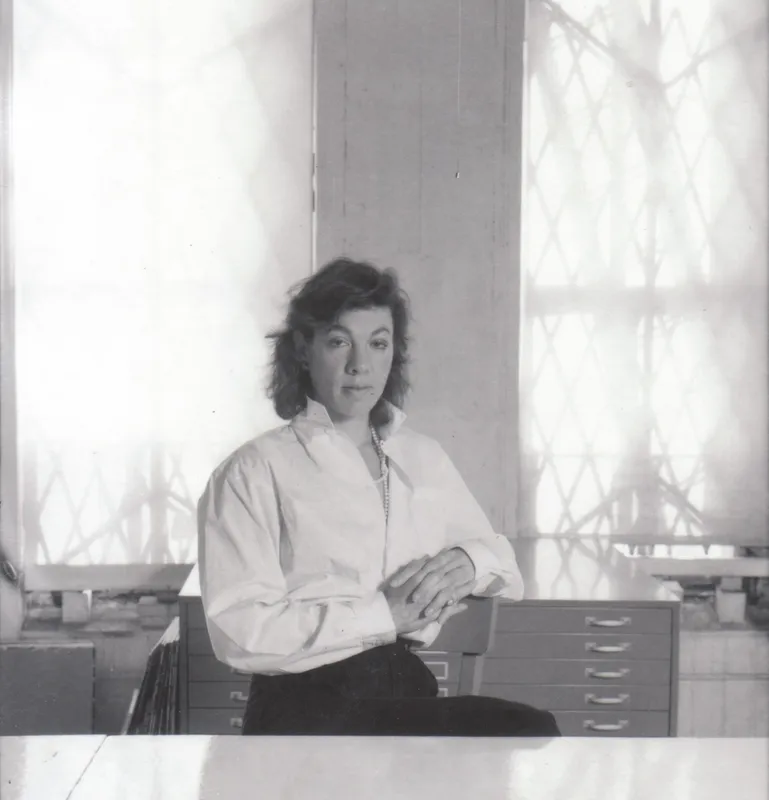
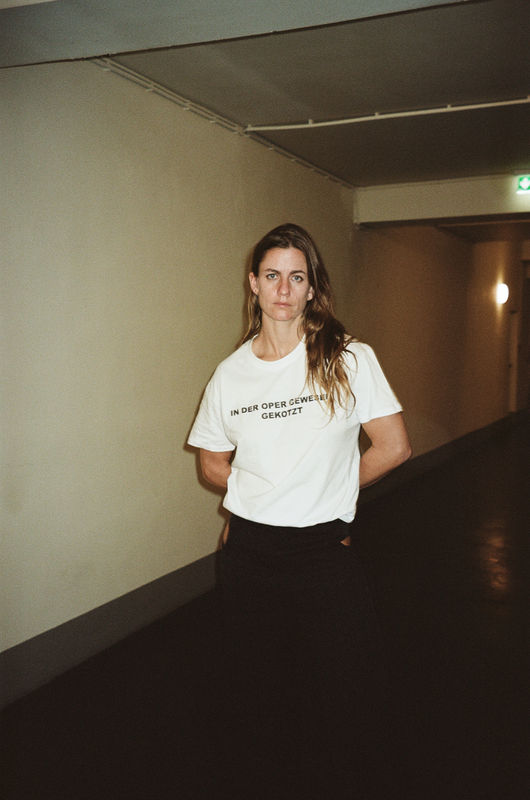
Few contemporary creators embody this understanding of art more convincingly than Florentina Holzinger. Over the past decade, the Austrian choreographer and performer has built a body of work that defies categorisation, bringing together dance, theatre, performance art, opera and circus within a single theatrical language. Her productions resist conventional classification, using the body as a territory through which to explore power, identity, violence, desire and transformation. It is hardly surprising that her work has received some of Europe’s most prestigious performing arts awards or that her productions have been selected repeatedly for Berlin’s internationally acclaimed Theatertreffen. Nor is it surprising that she has become one of the defining voices of a generation of artists who understand the stage not merely as a place for entertainment, but as a space for reflecting on the complexities of the present.