'The magic of the absurd according to Erwin Wurm: "I want art to make the audience feel weightless'" Interview by Marie Maertens
By Marie Maertens
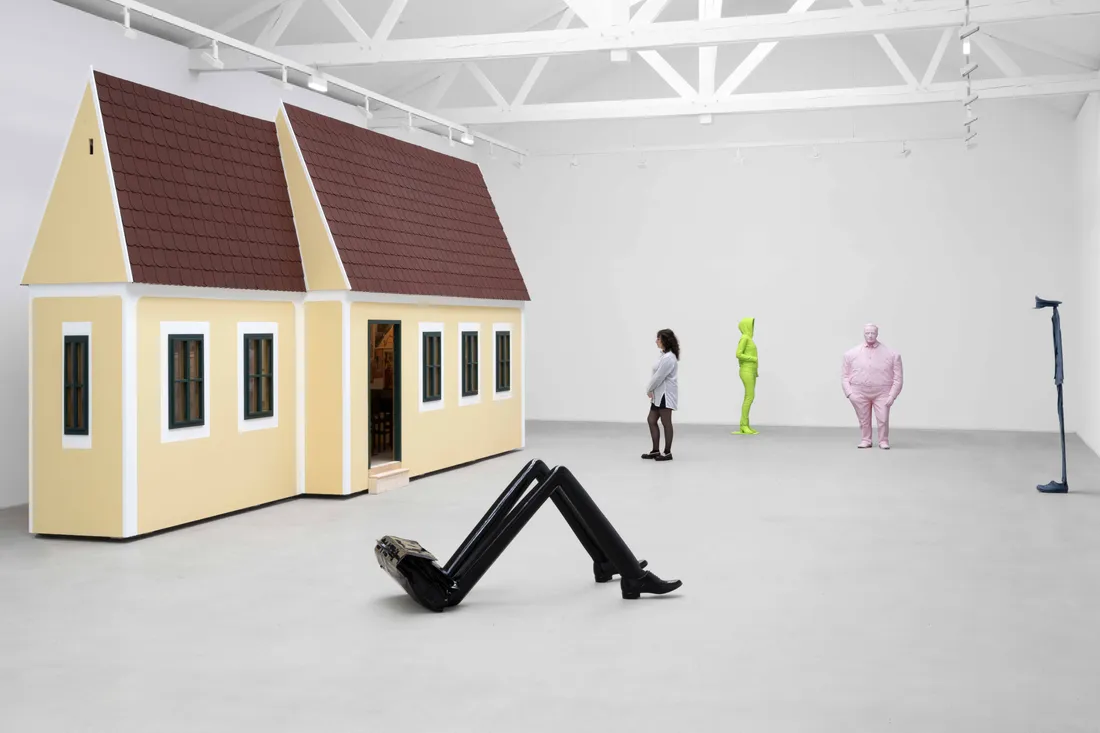
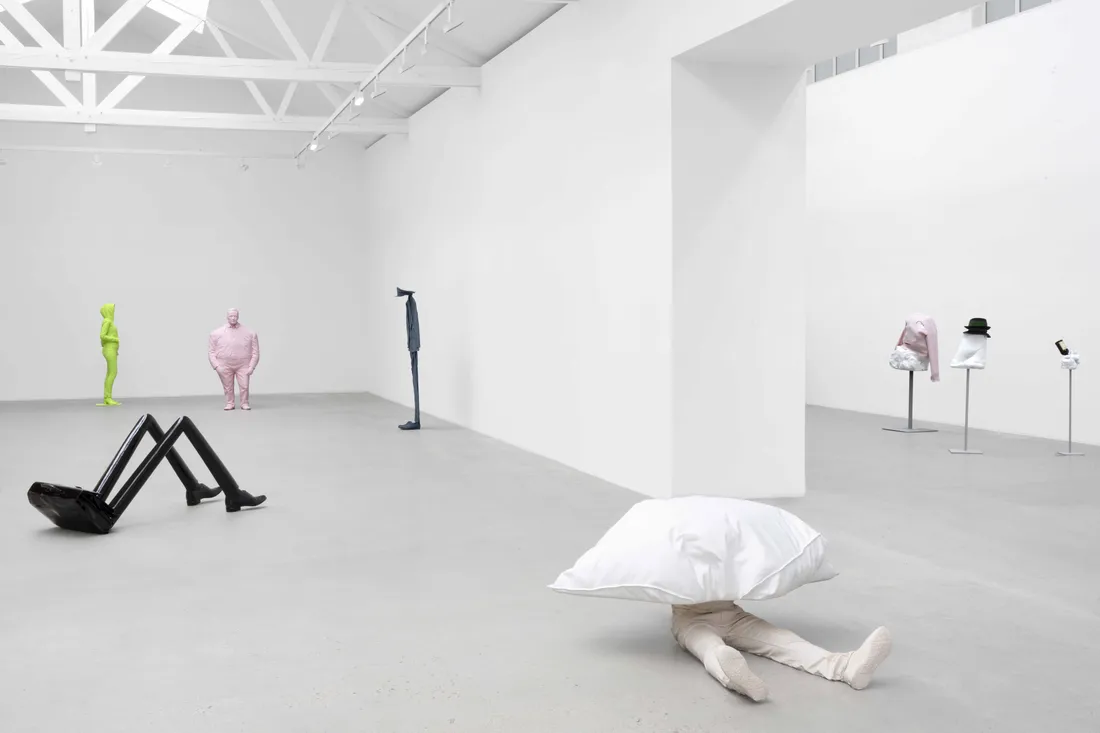
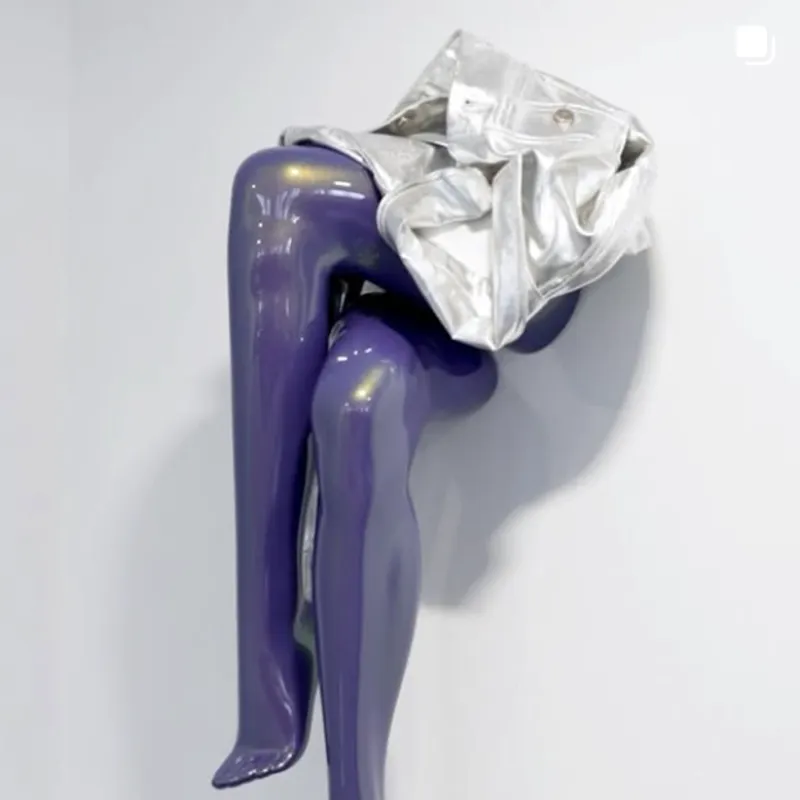
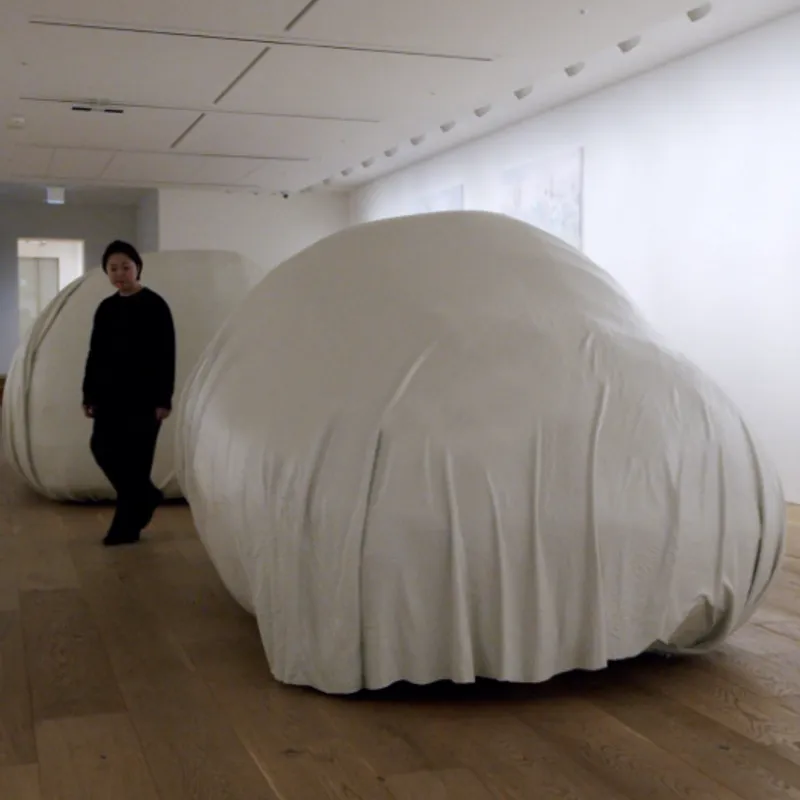
Whilst his work is on display in the exhibition “Tomorrow: Yes” at the Thaddaeus Ropac Gallery in Pantin, Erwin Wurm is also featured in the group exhibition “One Day Yes – One Day No” at Camden Arts Projects in London and “Dornbirn – Über das Absurde” at the Flatz Museum – Zentrum für Photographie in Dornbirn. He will then be the subject of a major solo exhibition at the Museo Fortuny during the Venice Biennale, from 6 May to 22 November.
Born in 1954 in Austria, Erwin Wurm lives and works in Vienna. Throughout his career, he has radically expanded the concept of sculpture, challenging its notions of time, mass and surface, abstraction and representation.
You have long been working on social, societal, political and economic issues… Does the title of your exhibition, ‘Tomorrow: Yes’, reflect a somewhat optimistic vision of the world of tomorrow?
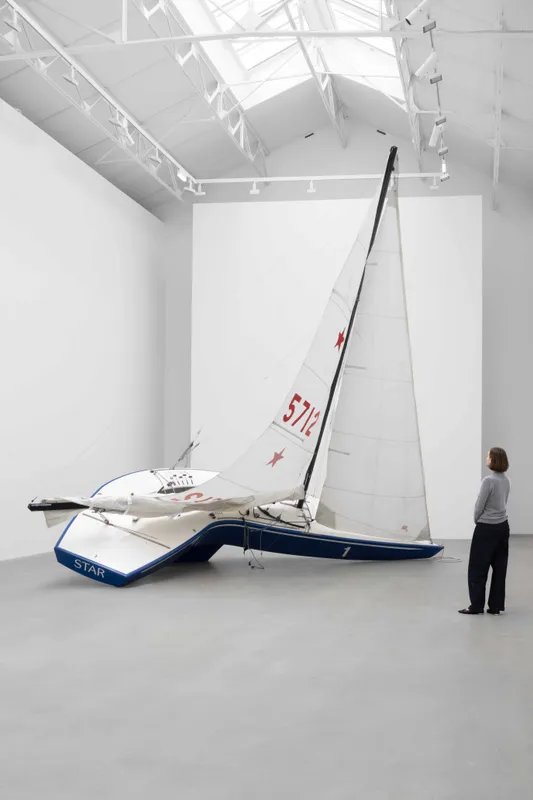
Initially, I had chosen "Tomorrow: No," but I was told it was pessimistic, so I changed it… When I started studying art, I wanted to become a painter, but I was enrolled in sculpture. It was a disaster, as I knew absolutely nothing about it, but once the initial frustration subsided, I saw it as a challenge and an opportunity to reflect on the meaning of this medium. I began researching the transition from two to three dimensions, questions of mass, volume, surface, time, and many other things. But I didn't want to simply reduce art to mere representation. I wanted to connect it to our time and our society. So I started trying to link the two and drawing inspiration from our visual surroundings, like Weight Watchers advertisements, which showed different versions of people… From then on, I developed a position as a sculptor connected to the world, but leaving room for interpretation.
Does using irony or humour make it easier for you to talk about difficult subjects?
When I was growing up in the 1960s and 1970s, artists used difficult subjectsto tackle the big existential questions, always with pathos and gravity. I think that belittles the audience and me at the same time; I prefer art to lift people up, to make them soar, like a form of magic. It’s interesting to use elements of the absurd and the paradoxical to lighten the mood for an audience that’s capable of laughing at itself. But I’m not a joke-teller at all; it’s more about countering these pathogenic effects, especially among Germans…