Mandy El-Sayegh: For Theresa Solo exhibition at Space K, Seoul
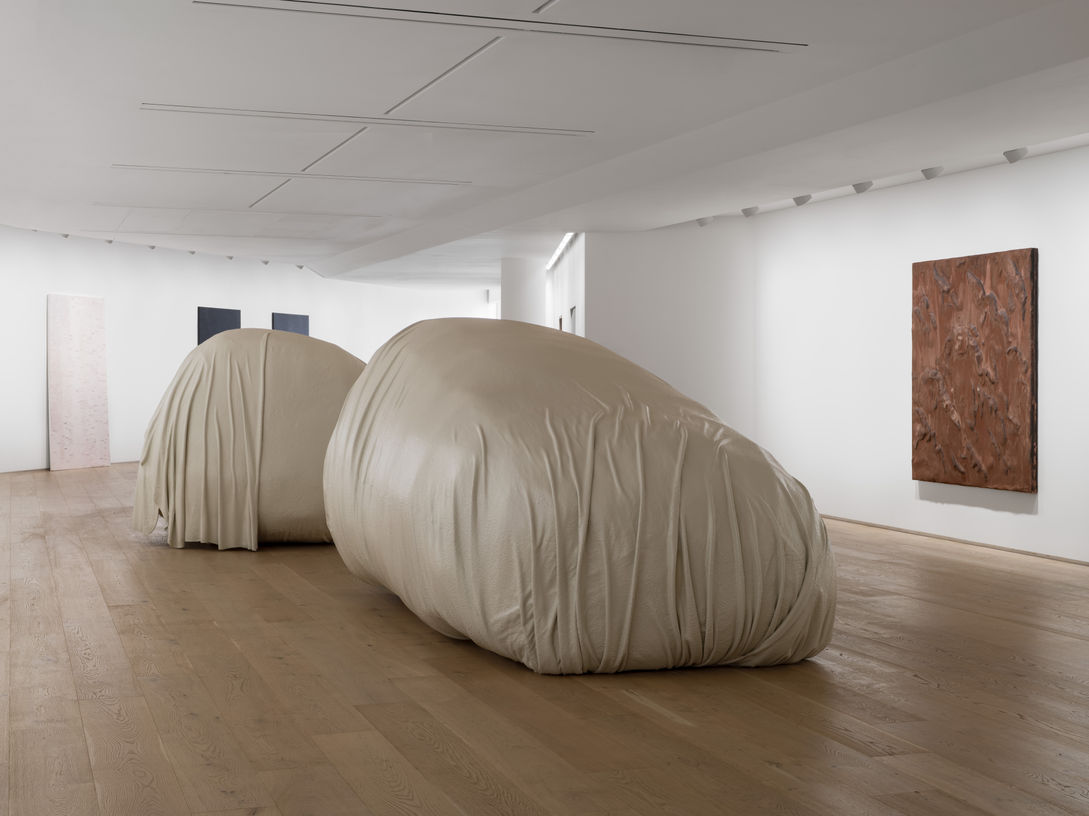
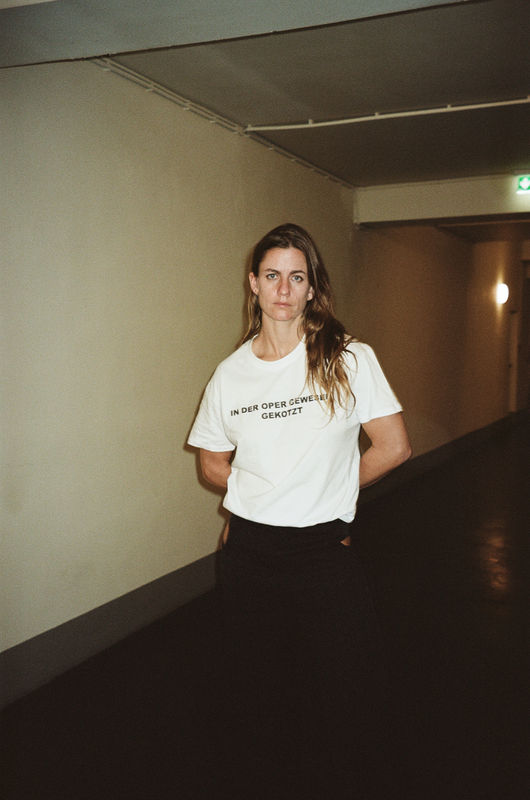
Space K Seoul is pleased to present For Theresa, a solo exhibition by London-based artist Mandy El- Sayegh (b.1985). Born in Malaysia, and of Palestinian and Chinese heritage, El-Sayegh has cultivated a distinctive practice rooted in assemblage—a perspective forged through her experience of hybrid identities. Her work manifests as immersive, archival installations that employ intricate methods to recontextualize fragmented histories.
El-Sayegh interrogates the hegemonic systems of knowledge that define our world, questioning what these structures marginalize and what they seek to naturalize. By gathering scattered imagery and text, she dismantles seemingly rigid orders to propose fluid, counter-narratives. Key to her research-based practice is the exploration of how pedagogy is translated into aesthetics in different cultural contexts.
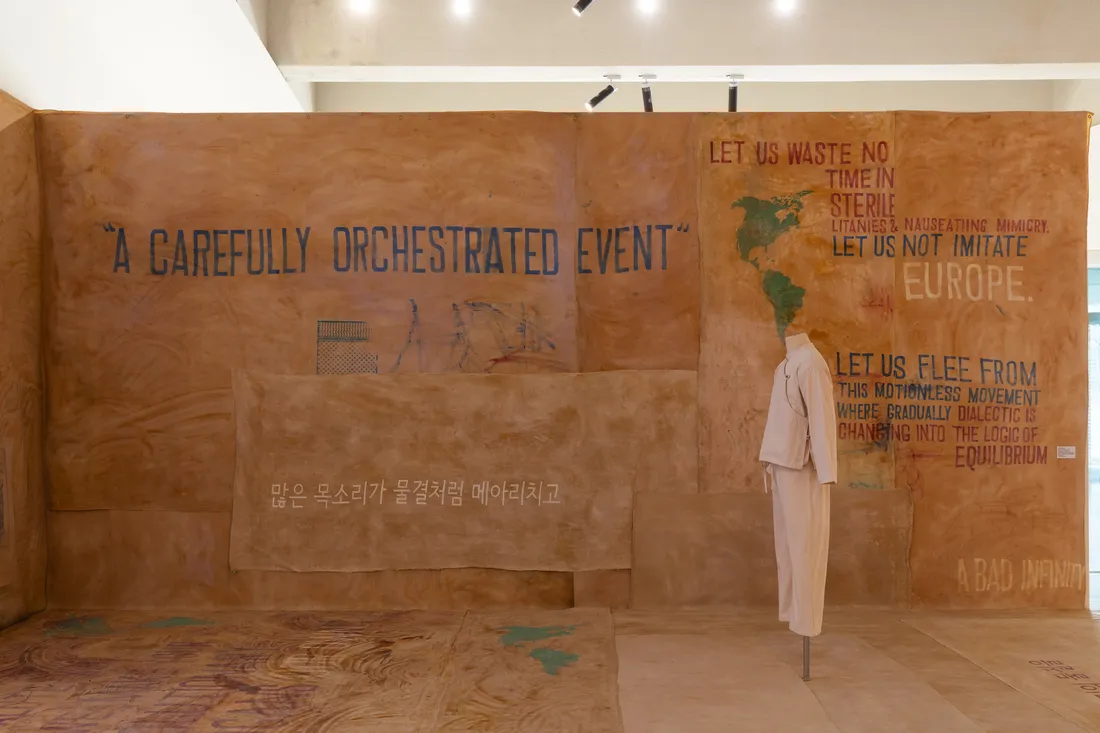
For this exhibition, El-Sayegh delves into Korean archives, incorporating a vast array of printed matter—from antique maps and calligraphy to banknotes—sourced from local museums, second-hand bookstores, and flea markets. Through the archival techniques of collection and categorization, she traces the political implications of these material vestiges, examining how they have historically contributed to the accumulation and maintenance of power.
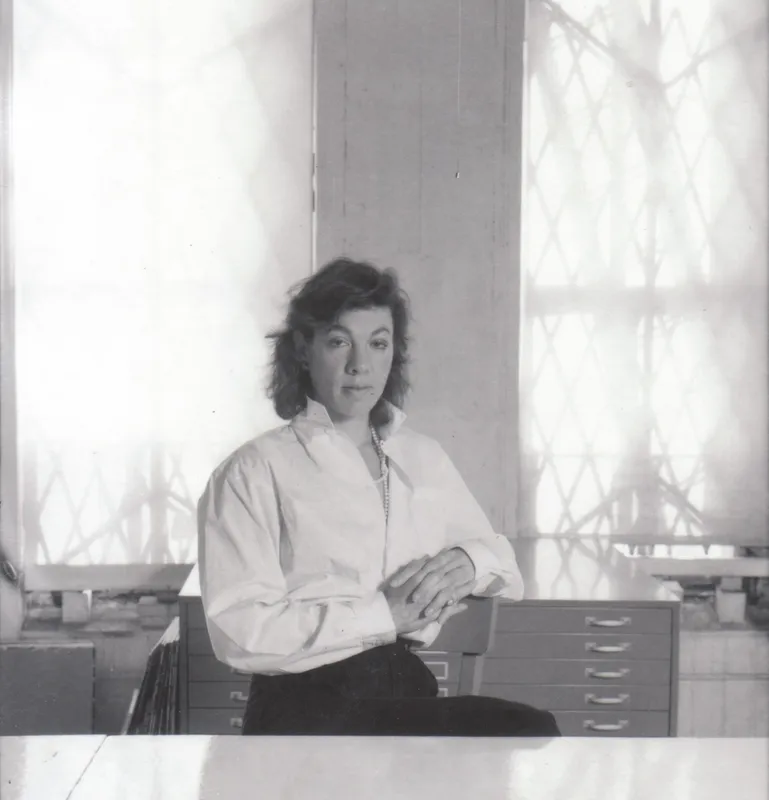
The title For Theresa invokes the legacy of the late Korean-American artist Theresa Hak Kyung Cha (1951–1982). El-Sayegh draws parallels between her own artistic world and Cha’s seminal work, Dictee, exploring shared themes of fragmented subjectivity, the displacement of memory, and linguistic stratification. In doing so, she constructs a stage that reconfigures the female voice within contemporary discourse. Designed specifically for the architecture of Space K Seoul, the site-specific installation compels a physical passage, encouraging a state of deep immersion and collective solidarity that transcends mere observation. Within this landscape where horizons are built from dislocated remnants, we are invited to find the politically transformative possibilities of the poetic.