“VALIE EXPORT & Ketty La Rocca: Body Sign” at Thaddaeus Ropac, Milan Exhibition review
By Lisa Andreani
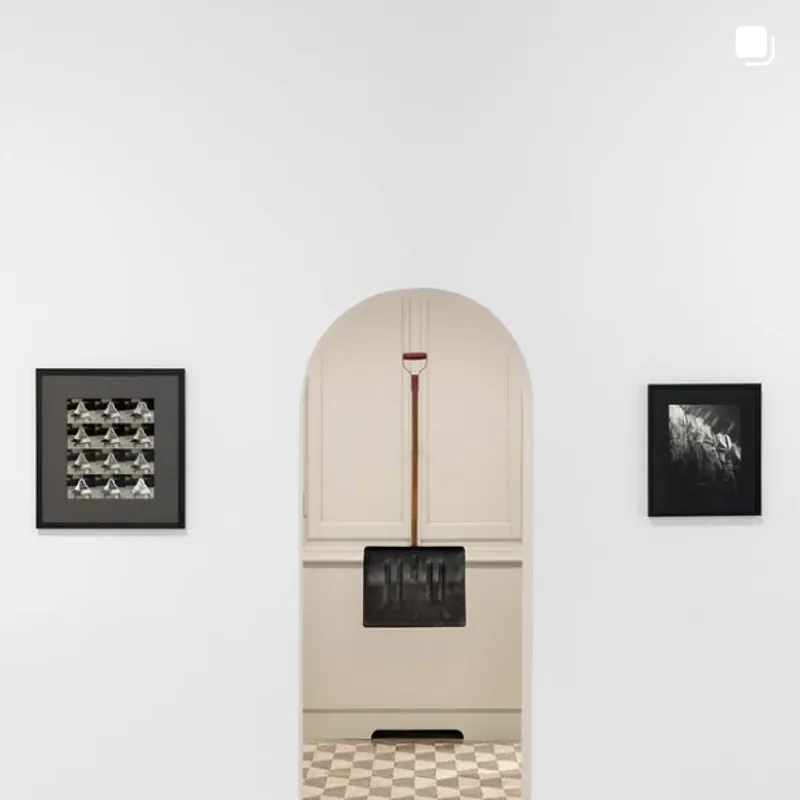
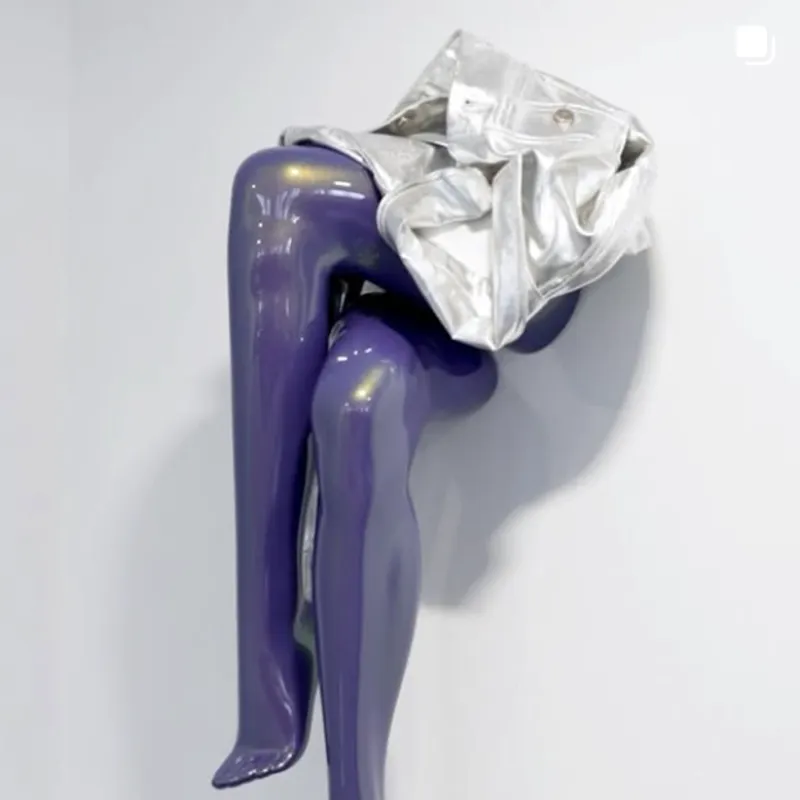
Rather than proposing a retrospective comparison, the exhibition Body Sign at Thaddaeus Ropac, Milan, brings into dialogue the work of VALIE EXPORT and Ketty La Rocca—two artists who never met, yet whose practices developed along strikingly parallel trajectories. Although working within distinct geographical, linguistic, and cultural contexts—Vienna and Florence, respectively—EXPORT and La Rocca share a common urgency: to withdraw language and the female body from regimes of meaning imposed by patriarchal culture and relocate them within an embodied, unstable, and relational dimension. Through carefully staged juxtapositions of works—ranging from performance documentation and photography to video and sculptural interventions—the exhibition allows these affinities to surface not as historical convergences, but as a set of shared questions articulated through different yet resonant forms.
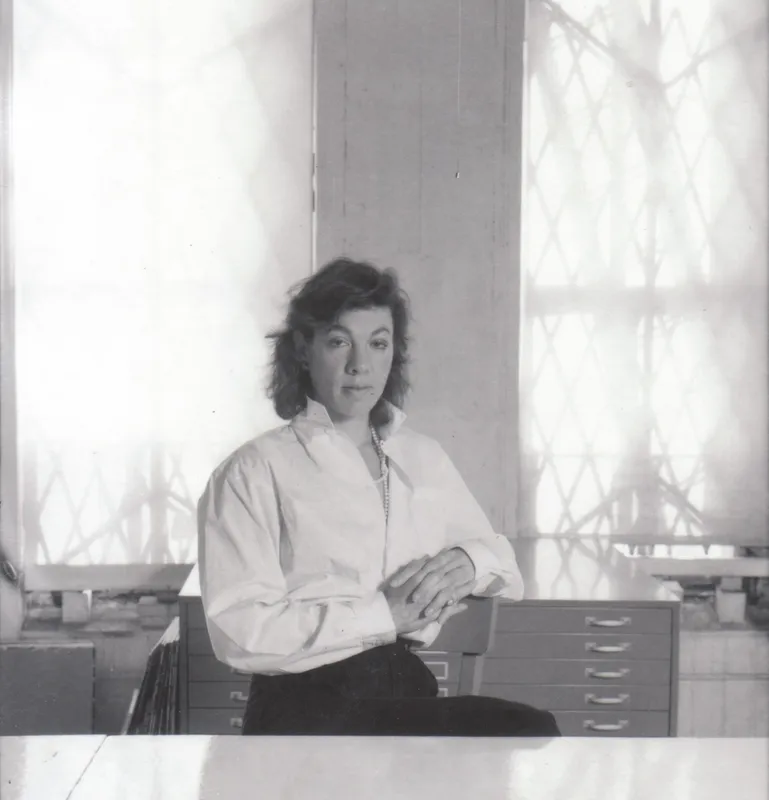
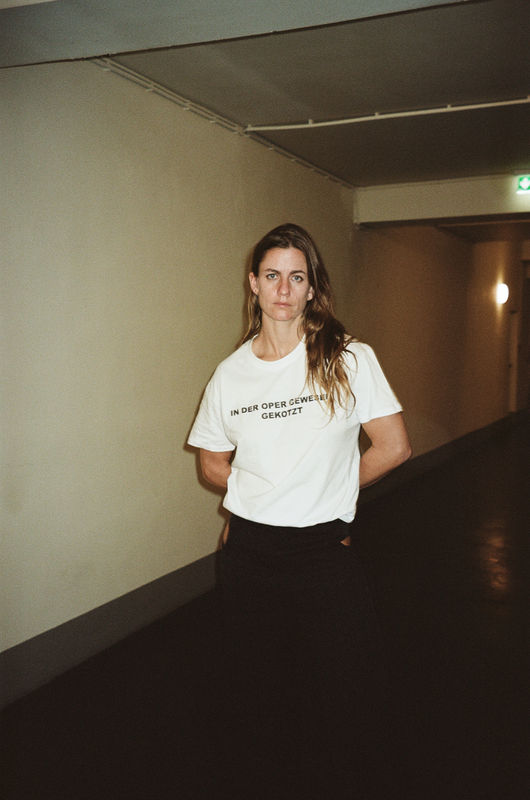
VALIE EXPORT (b. 1940, Linz) is known for her radical performance, video, and photographic interventions that challenge the boundaries of the body, public space, and spectatorship, often confronting the viewer with ethical and political questions about gender and embodiment. Ketty La Rocca (1938–1976) worked across visual poetry, photography, sculpture, and gesture, exploring the limits of language and its relationship to the female body, and developing alternative forms of communication that privilege tactility, corporeality, and relationality. Activating a zone of critical resonance, the exhibition creates a space where the body is a primary site of symbolic articulation, conflict, and possibility.
For both EXPORT and La Rocca, the body is never a mere object of representation, nor an expressive instrument subordinated to a preexisting discourse. Rather, it functions as a field of forces, a medium that destabilizes the distinctions between subject and sign, interior and exterior, the visible and the sayable. Within this tension, a connection can be drawn to theoretical perspectives such as that developed by Adriana Cavarero, particularly in Inclinations: A Critique of Rectitude (2016). Cavarero rejects the notion of an upright, autonomous, self-sufficient subject, instead restoring centrality to a body that is exposed, inclined, vulnerable, and constitutively in relation to others.
[...]
EXPORT does not assert a sovereign body; instead, she stages a body that is situated and exposed, one that tests itself against others and against the spatial, social, and architectural structures it inhabits, thereby unsettling the illusion of autonomy on which modern subjectivity is founded. It is from this premise that the dialogue with Ketty La Rocca becomes legible. In both practices, the body functions not as a representational theme or expressive support, but as a material and operative condition that reshapes the production of meaning, displacing language from abstraction and reconfiguring the status of the artwork itself. Through contact, posture, and the materialization of the sign, EXPORT and La Rocca expand the field of conceptual art from within, cracking its apparent neutrality and reaffirming an embodied perspective that renders visible the political and gendered premises of systems of representation.