The metamorphoses of Miquel Barceló The Mallorca-based artist talks to Apollo
By Emma Crichton-Miller
I meet Miquel Barceló in the sterile surroundings of a hotel foyer in December, in the far south-east corner of Spain. On an empty mezzanine we sit hunched over a low coffee table. It is about as unsympathetic a context in which to interview an artist tired from travel as one can imagine. But Barceló, brown-haired, puckish, his expression a mixture of boyish mischief and wearied kindness, is full of excitement. We are in Almería, a city notable for its spectacular Arab fortress, the Alcazaba of Almería, and the bare rugged mountains popular with directors of spaghetti westerns. Barceló has arrived for the opening at the Museo de Almería of ‘Reflections: Picasso x Barceló’, an exhibition of more than 100 ceramic sculptures by him and by Picasso, shown alongside archaeological objects from the museum’s collection. The show is the second in a series, organised by Museo Picasso Málaga, that pairs the modern Spanish heavyweight with a contemporary artist – Jeff Koons was given the latter spot in the first instalment a year ago, at the Alhambra in Granada. The collection of the Museo de Almería, founded in 1933, spans more than 5,000 years, with many local finds dating back to the Neolithic period. As a specialist archaeological museum, it was considered the appropriate venue for the first leg of this exhibition, which travels to the Museo de Cádiz in March.
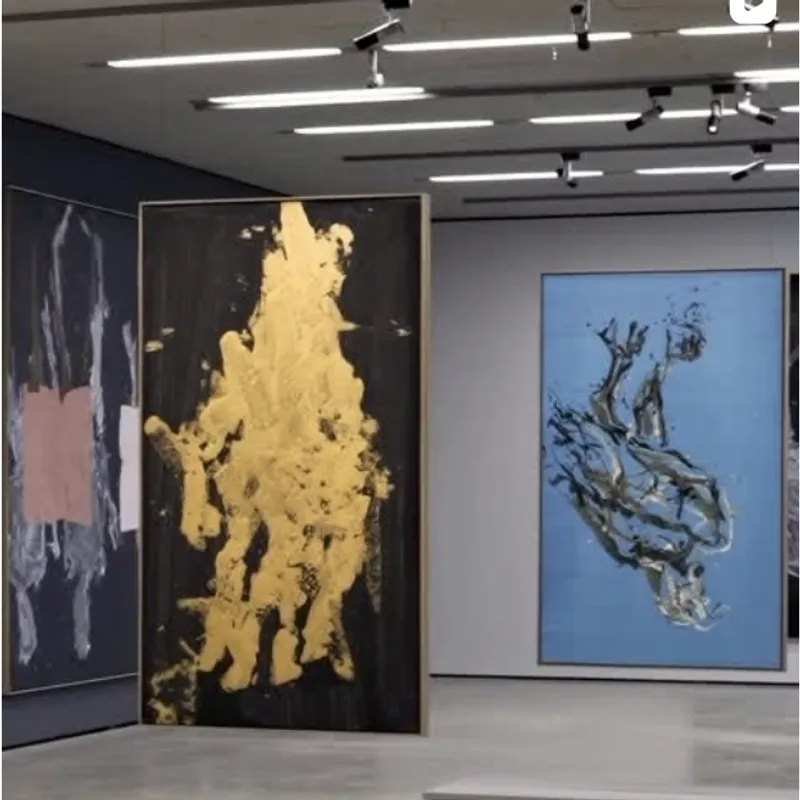
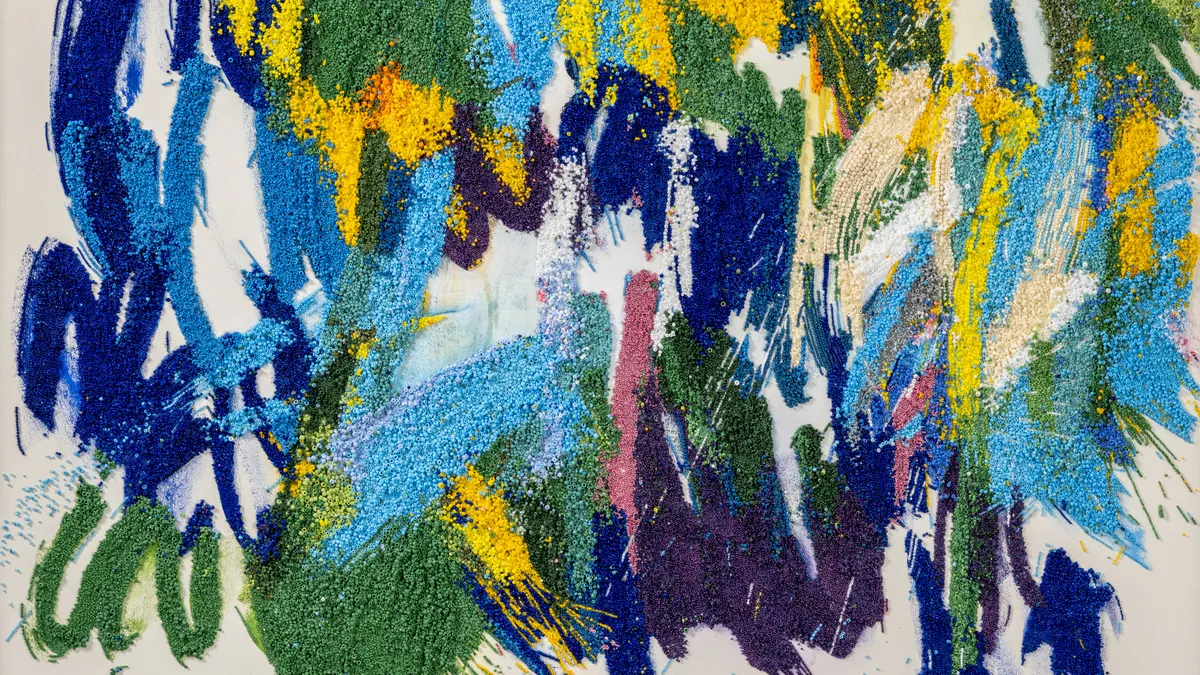
Born in Felanitx, Mallorca, in 1957, Barceló first garnered attention in his early twenties, when he participated in the 1981 São Paulo Art Biennial and, the following year, at Documenta 7 in Kassel. There, with fellow exhibitors including Jean-Michel Basquiat and Keith Haring, he showed the ambitious Nu pujant escales (‘Male nude ascending a staircase’, 1981), inverting Duchamp. In subsequent years, Barceló shared Basquiat and Haring’s dealers, Leo Castelli and Bruno Bischofberger respectively (today he is represented by Thaddaeus Ropac). His oeuvre encompasses highly textured multimedia paintings, vigorous woodcuts, ethereal watercolours, exuberant bronze sculptures and expressive ceramics, alive with the energy of metamorphosis. He acknowledges inspirations as wide-ranging as Velázquez, Jackson Pollock, Joseph Beuys and Cy Twombly. But a fundamental passion is the prehistoric cave painters of Chauvet, Lascaux and Altamira. ‘I feel so close to the artist in Chauvet,’ he has said, ‘that he [could] be my brother.’ Barceló is part of the multidisciplinary scientific team responsible for studying and preserving the 36,000-year-old cave site in the Ardèche, France; it is as if he has an unassuageable hunger to be in at the beginning.