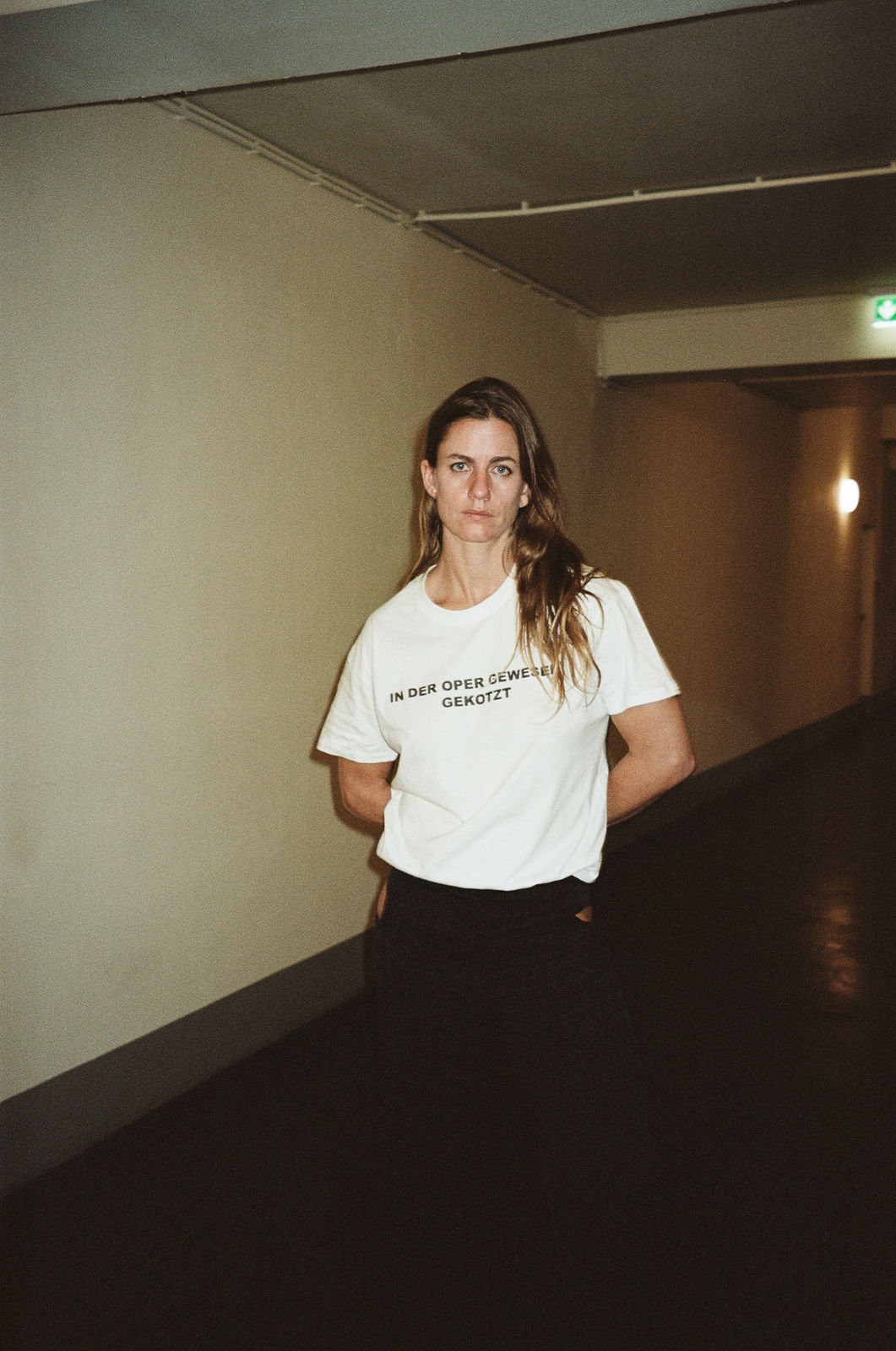
Martha Jungwirth's seismic works in Paris Review on the occasion of the artist's exhibition opening
By the Editorial Team
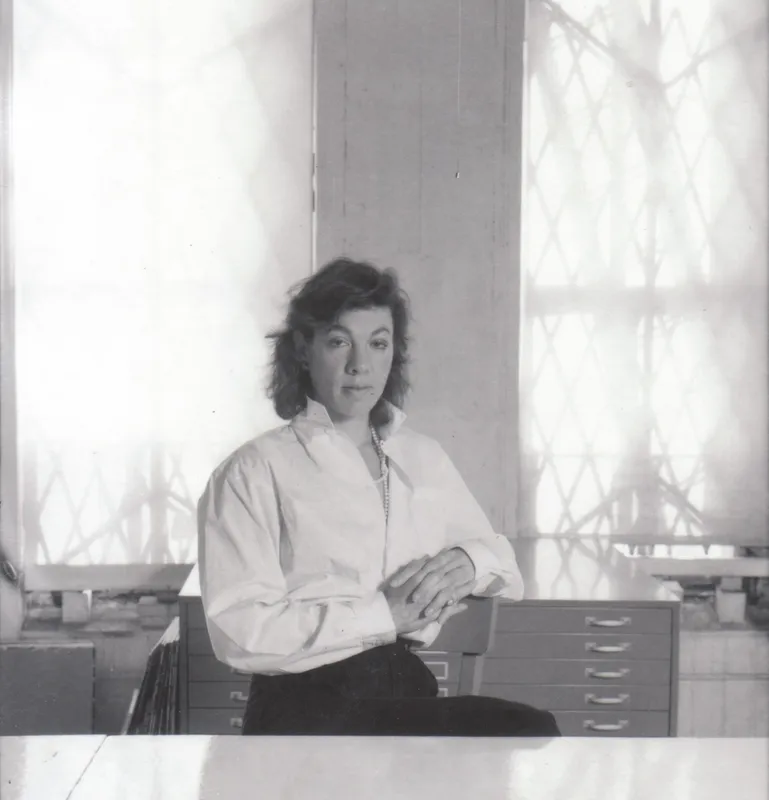
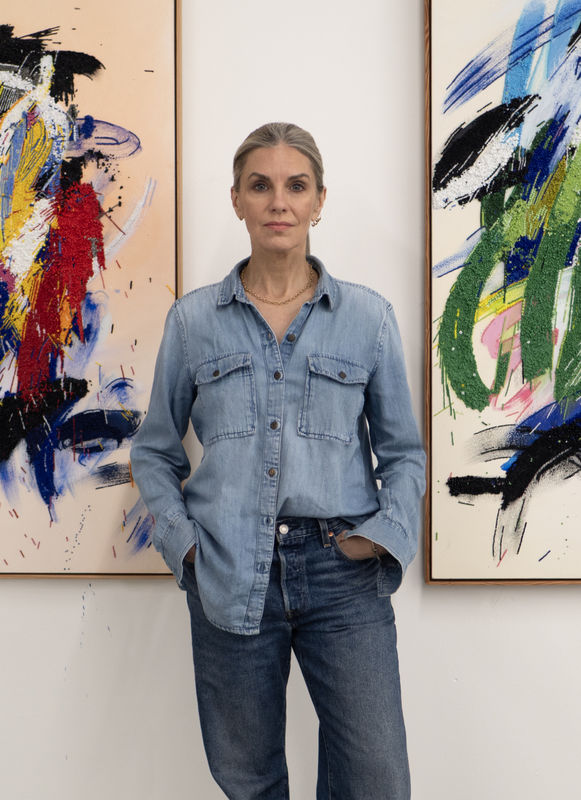
On Thursday 22 February 2026, Thaddaeus Ropac celebrated one of his leading artists, Martha Jungwirth, by presenting over a hundred drawings, historical works and recent paintings in Paris. The Viennese artist was accompanied during the evening by her great friend and supporter Albert Oehlen.
Martha Jungwirth's exhibition, a monumental installation
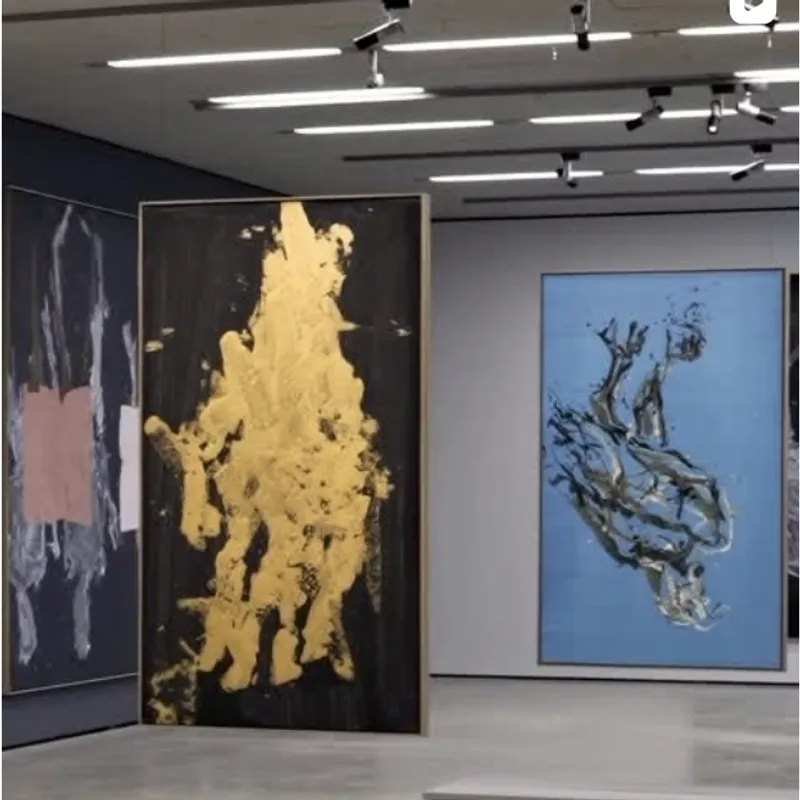
At Thaddaeus Ropac, Martha Jungwirth's work unfolds like a seismic wave. The exhibition dedicated to the Austrian artist is organised around a monumental installation, created between 1987 and 1992: 131 fragments of paper, drawn and painted, assembled into a vast wall constellation. Bernard Blistène, former director of the Centre Pompidou, describes it in the exhibition catalogue as a ‘great frieze of unruly images’. A seminal work, now surrounded by recent paintings and a series of watercolours, some of which date back to the 1980s, revealing both the continuity of a gesture and its metamorphoses.
Martha Jungwirth, art as a diary
For Jungwirth, her practice is less about a programme and more about transition. ‘My art is like a diary, a seismograph. It's my way of working. Drawing and painting are a movement that flows through me.’ The drawings that make up the installation were created while looking half at the paper, in an instinctive process similar to automatic writing.
Martha Jungwirth told Numéro art in 2024: ‘I work very quickly. It flies. When I start painting, everything flows. And when that flow stops, I stop. There's always a risk. I hate formulas, I don't have a method. I need to constantly confront my limits.’ Many of these 131 works on paper were created at dusk, in front of the television. More than thirty years after their creation, Jungwirth has brought them together in a composite work, once again confronting the fleeting impulses that gave rise to them.
When current events influence the gesture
These drawings also invite the viewer to imagine Jungwirth leafing through the newspaper while working, allowing current events to seep into her gesture. They remain one of her main sources of inspiration.
Martha Jungwirth in fact confided to Anaël Pigeat for Numéro Art in 2024, speaking about the works presented this time in Venice: ‘I am very sensitive to current events, to the way we see migrants trying to cross the Mediterranean carrying nothing but a simple bundle that contains all their belongings. What do we keep with us when we are forced to flee?’ A little later, I read an article in the Frankfurter Allgemeine Zeitung about an exhibition in Brussels, at the Africa Museum, which showed a 19th-century wooden statue from the Congo, and that also made me think of these forms.’
Faces, torsos, limbs, fingers, toes emerge from a whirl of lines, in ‘the insistence of the stroke, a combination of crossings-out and erasures […] that stigmatize the surface of the paper and give rise to figures,’ as Bernard Blistène describes it in the exhibition catalogue.
Martha Jungwirth’s solution for large formats
Watercolour, the medium that laid the foundations of her career, is brought to the fore through a group of works from the 1980s and 1990s. At the opening on January 22, 2026, at Galerie Ropac, her close friend and renowned painter Albert Oehlen spoke to Numéro Art. He recalls having invited Martha Jungwirth and their friend Daniel Richter to try their hand together at oil painting on very large formats. ‘A total failure!’ Oehlen still laughs. Since then, Jungwirth has found her own solution for large-scale work: painting on vast sheets of paper, later stretched on frames, abandoning the traditional canvas.
[Translated from French]