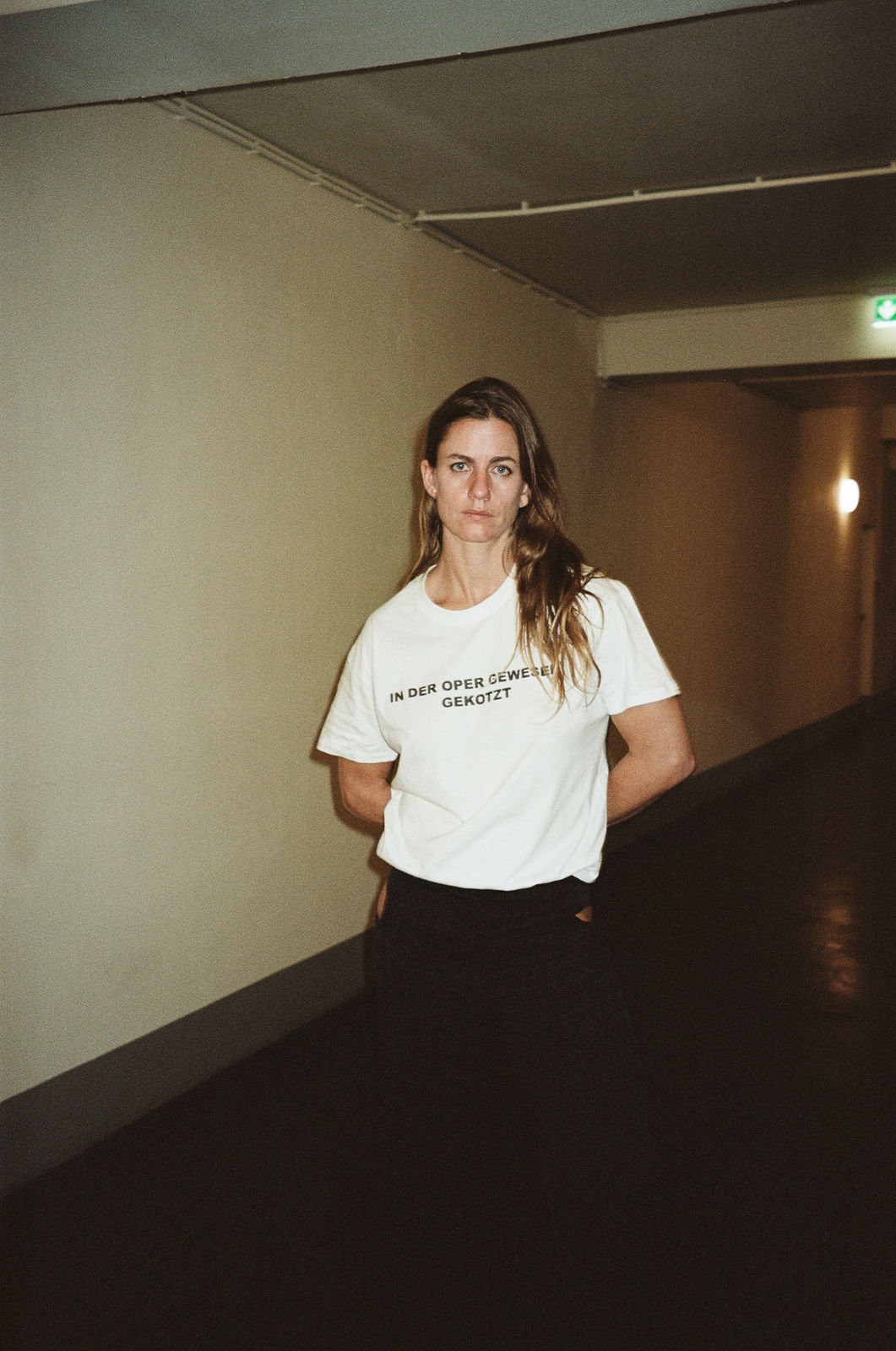
Zadie Xa Reimagining Identity and Folklore in Contemporary Art
By Rosie Prata
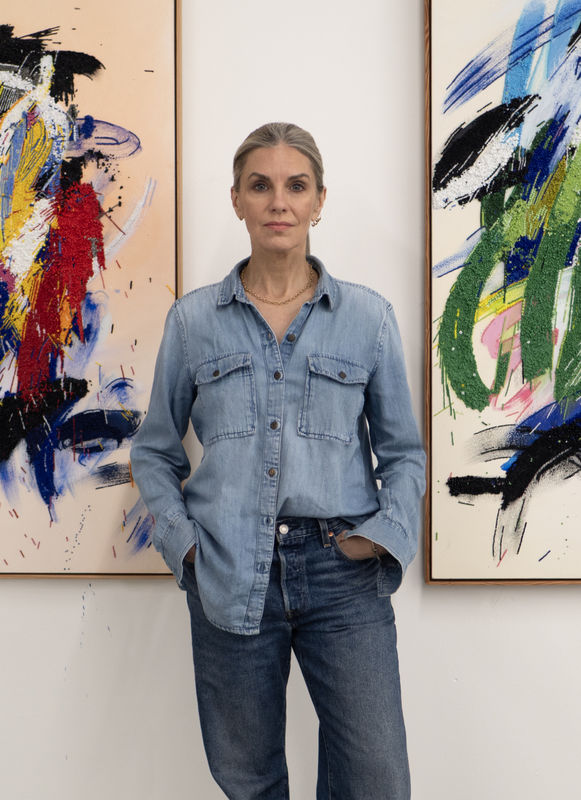
In a cavernous East London studio filled to the gills with treasures, Zadie Xa is preparing for what might be the most significant exhibition of her career to date. Earlier this year, the Vancouver-born artist was selected as one of four nominees for the prestigious Turner Prize, which awards one artist from or primarily working in Britain £25,000—as well as lifelong bragging rights. Named for the radical 19th-century painter J.M.W. Turner, it’s a very British prize (past winners include Damien Hirst, Anish Kapoor, and Steve McQueen), and Xa feels honoured by the acknowledgement but a little uneasy, too.
Xa, who is Korean Canadian, has lived in London for over a decade. She moved to the capital city in 2012 to attend the Royal College of Art. Before that, she studied at Emily Carr University of Art + Design in Vancouver and lived in Florence and Madrid with her husband and frequent collaborator, artist Benito Mayor Vallejo. She thinks a lot about belonging, with the facets of her identity bound up in entangled feelings of attachment and estrangement. Although she grew up in Vancouver, she had never been formally invited to show in her hometown until recently. And while she feels embraced by the art scene in London, where she is represented by gallery Thaddaeus Ropac, she senses the shadow of far-right nationalism growing across Great Britain since Brexit and COVID-19. As a non-white immigrant, it’s not the friendliest atmosphere to plan her future.
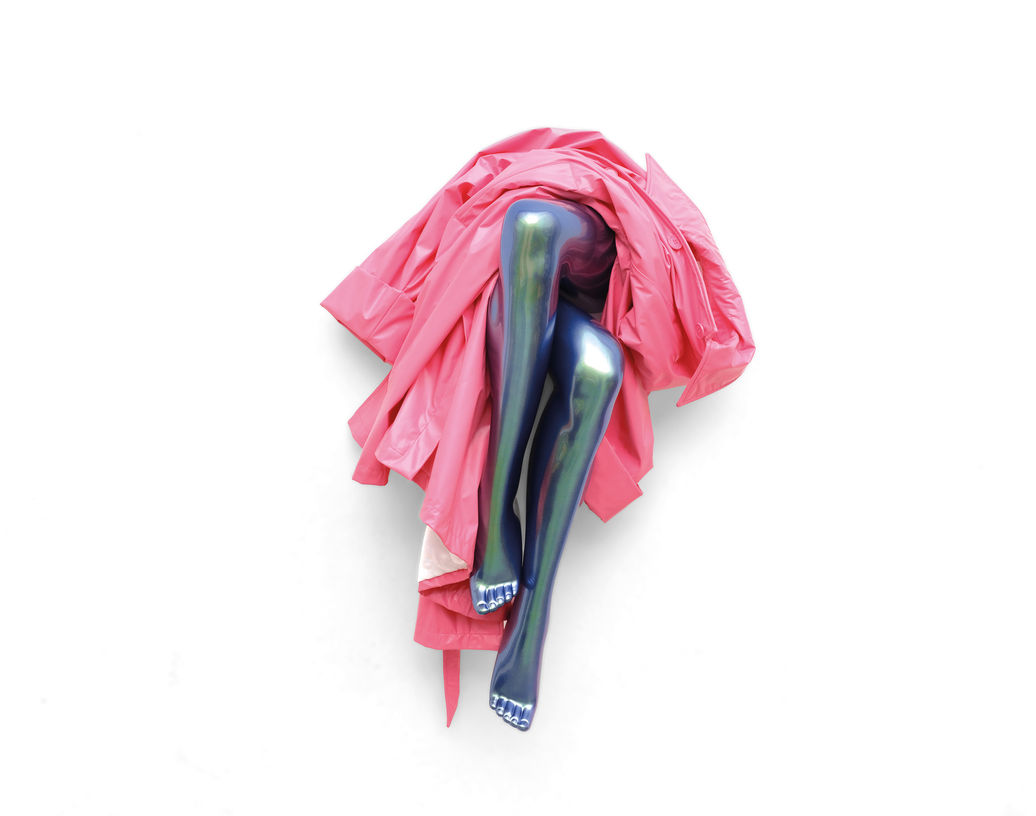
But as her art can attest to, Xa has never been one to shy away from sitting in discomfort or confronting anxiety. Moving fluently across artistic disciplines—including performance, painting, sculpture, textile, and installation—she creates immersive environments thick with saturated colour and sensory overload. Woven into the exuberance, however, is a thread of tension: ecological grief, diasporic dislocation, and the dual role art plays as both a mode of care and a form of complicity. The willingness to hold contradiction is what makes Xa’s practice resonate so widely, and why her most recent institutional accolade feels both affirming and fraught.