Keeping Rauschenberg Relevant Interview with Courtney J. Martin
By Michael Delgado
Robert Rauschenberg’s famous pronouncement that he wanted to work in the ‘gap’ between art and life says much about the nature of his art, which was often collaborative, three-dimensional and interested in the wider world. It also, however, says something about his mission as an artist, a large part of which revolved around his sincere belief that artists could drive social change. It was this way of thinking that led Rauschenberg to set up his own foundation in 1990, which has since grown to be one of the largest and most influential of its kind in the world. It operates out of the artist’s old studio on Lafayette Street, New York, as well as in the house he moved to in Captiva, Florida, in 1970, and is known for its forward-thinking approach to art and culture. As well as holding artist residencies at both its main locations, managing the Rauschenberg estate and providing grants to artists and cultural projects, it has in recent years pioneered a radical fair use image policy and embarked on an ongoing catalogue raisonné, which will be published in instalments and will be fully digital and free to use.
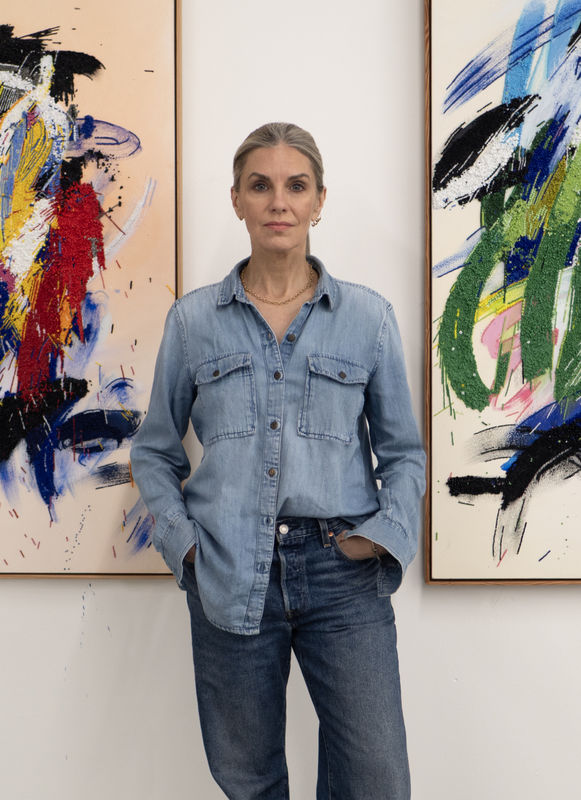
Rauschenberg was born 100 years ago this month. The foundation has been busy working with museums and galleries from Houston to Hong Kong on a slate of exhibitions this year and beyond. Courtney J. Martin, who became executive director of the foundation in 2024, recently talked to Apollo over Zoom about her vision for the foundation, the significance of the centenary and, most importantly of all, why she loves Rauschenberg.