Lucio Fontana’s Legacy From Argentina To Milan And Venice, The Artist Who Redefined Modern Art
By Lee Sharrock
Visiting Milan in search of Lucio Fontana’s artworks is a little like embarking on an art pilgrimage. His work is scattered throughout the city he called home for so many years–churches, cemeteries, museums, and galleries all bear traces of his radical vision. Although many instinctively identify Fontana as an Italian artist, his story is more complex. Born in Rosario, Argentina, in 1899, Fontana carried both Latin American and Italian heritage throughout his life, weaving these influences into an oeuvre that is both deeply rooted and cosmically expansive.
Today, Milan remains the city where his artistic journey feels most alive. At the same time, his Argentinean beginnings and a major new Venetian exhibition of his ceramics remind us that his story is far larger than Italy alone.
[...]
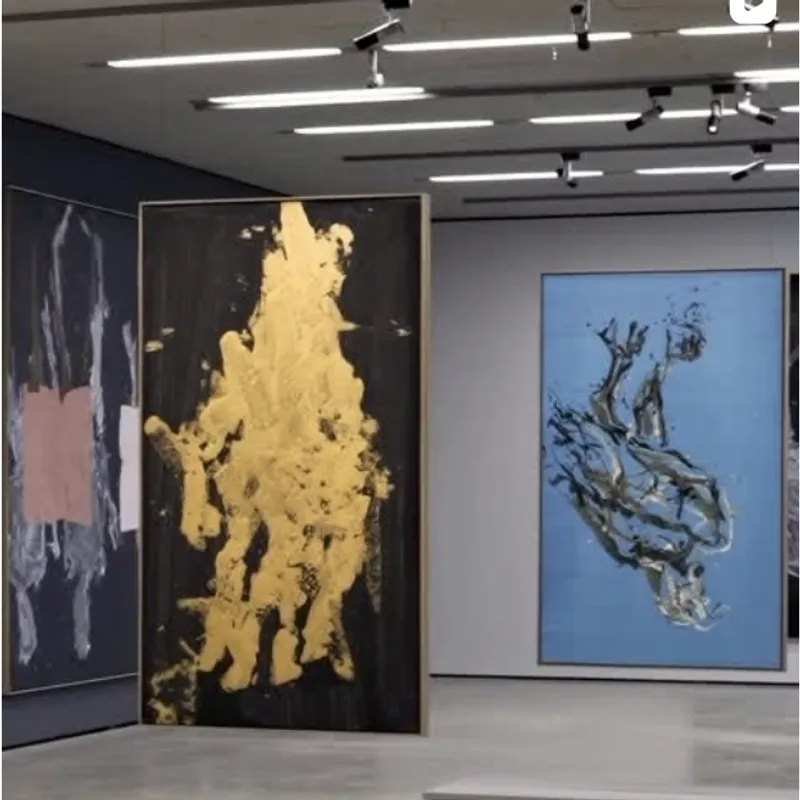
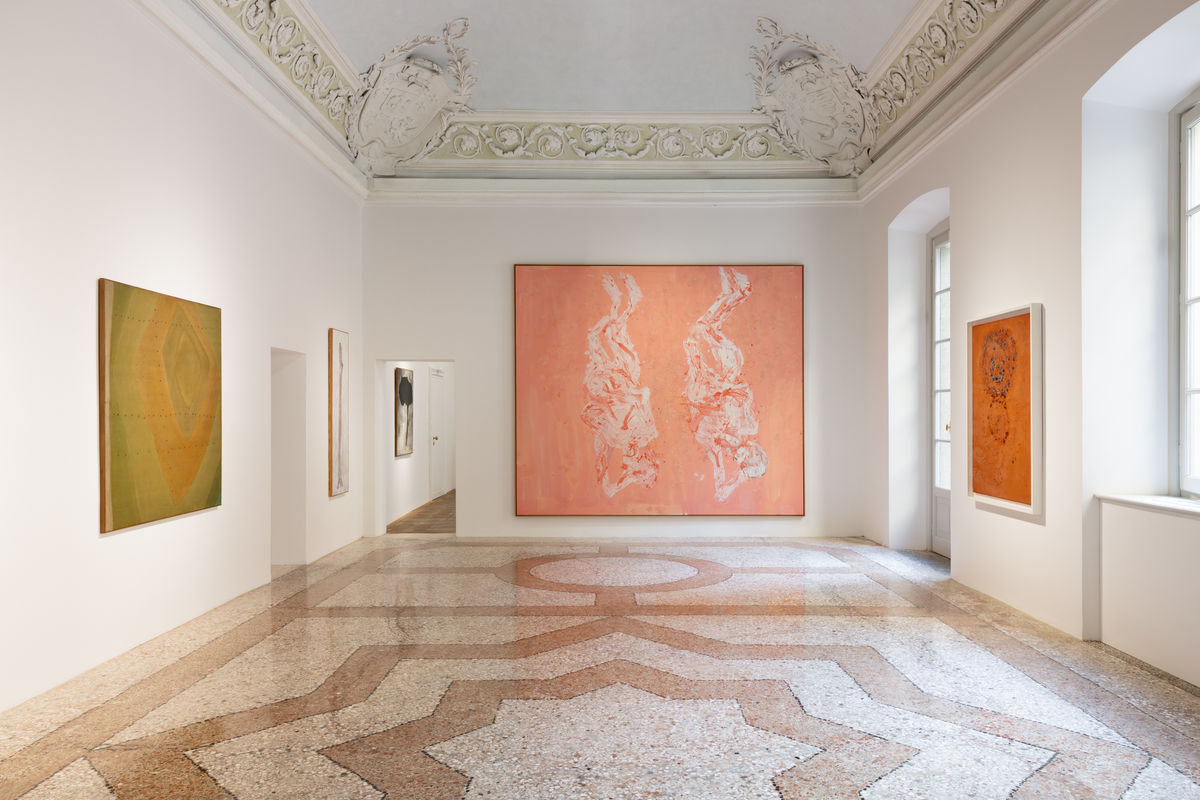
The most compelling new chapter in Milan’s revival as a must-visit centre for contemporary art comes courtesy of Thaddaeus Ropac, whose new gallery in the Neoclassical Palazzo Belgioioso has opened with a bold exhibition pairing Lucio Fontana with German painter and sculptor Georg Baselitz for the first time.
At first glance, this pairing seems improbable–Fontana’s serene cosmic slashes against Baselitz’s raw, inverted figures–yet as the exhibition unfolds, a deeper conversation emerges and it becomes evident that the pairing is a stroke of curatorial genius. Both artists grappled with rupture and renewal, probing the void and the unknown in pursuit of regeneration.
Titled L’aurora viene (The Aurora Comes), the exhibition spans decades of Fontana’s practice. Highlights include early Baroque-inspired sculptures from the 1930s and 1940s, Concetti spaziali from the 1960s, and a rare canvas from his celebrated La Fine di Dio (The End of God, 1963–64) series.
[...]
These works converse with Baselitz’s paintings and sculptures, together suggesting that destruction–whether of the canvas, the figure, or tradition–can be a precursor to creative rebirth. Milan is where Fontana developed the ideas that would transform modern art. By bringing Fontana’s work into dialogue with Baselitz, the Thaddaeus Ropac exhibition highlights both artists’ investigation into how rupture can lead to renewal–an idea that resonates strongly today.