Thaddaeus Ropac in Milan Preserving Form at Palazzo Belgioioso
By Federico Jonathan Cusin
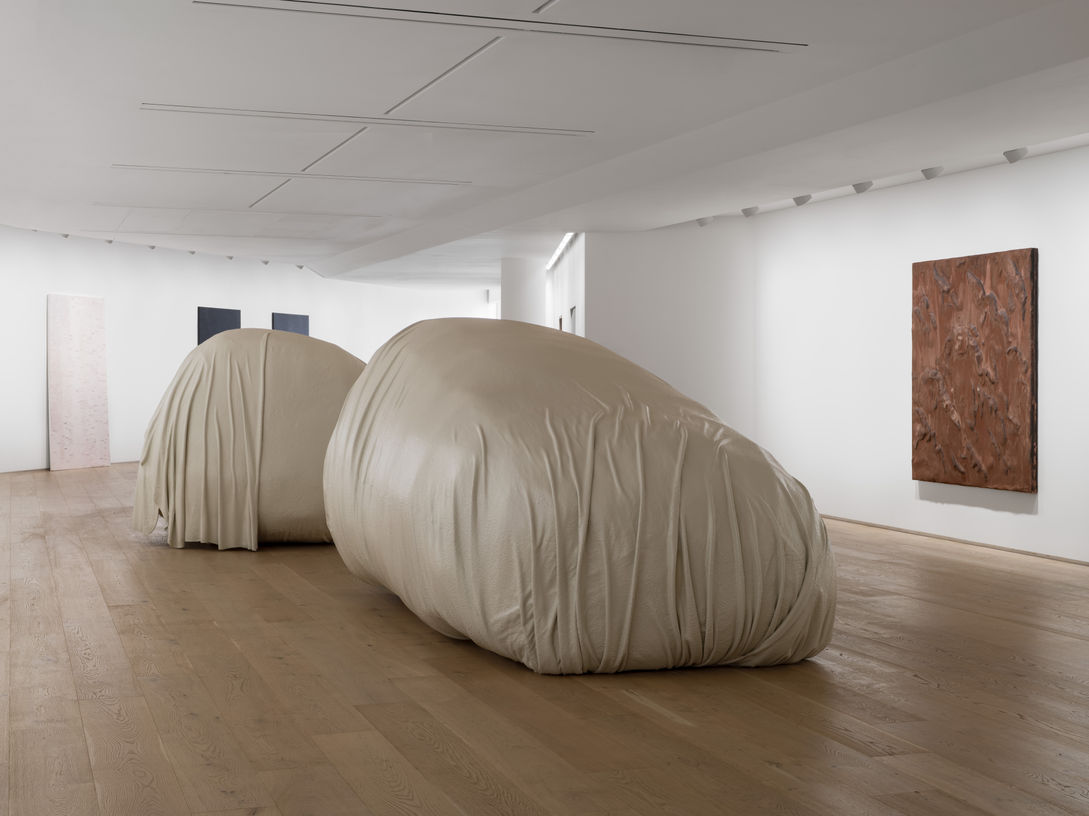
Elena Bonanno di Linguaglossa, director of Thaddaeus Ropac Milano, oversaw the restoration of the spaces that now house the gallery's Milan branch, inside Palazzo Belgioiso. She explains: "I worked on it with architect Umberto Dubini [the architect has been in the family for a long time, starting with my grandmother's brother, Luigi Caccia Dominioni]. The vision shared with Mr. Ropac is to respect the existing elements and limit alterations. The white cube idea isn't ours."
The space in which the gallery extends was the library on the main floor of the palace; we also have two additional floors in Belgioioso. Starting from this historical context, we eliminated everything that wasn't relevant to the period, such as plasterboard panels. We recovered the woodwork thanks to the expertise of Venetian restorers, and the lighting was entrusted to Studio Adrien Gardère—already renowned for its work at Versailles—so as not to damage the palace's walls or ceilings. The idea is simple and radical: subtract, not impose.
Palazzo Belgioioso, designed by Giuseppe Piermarini for Alberico XII Barbiano di Belgiojoso, was built between 1772 and 1781 in the heart of Milan as one of the city's leading examples of neoclassical architecture. Its façade features a central relief on a high rusticated base, a giant order, and a tympanum: a severe design, calibrated for symmetry and the relationship between the street, entrance hall, and courtyard of honor.
The structure is organised around three courtyards: the main one is punctuated by arches supported by granite Doric columns; from here, a cryptoporticus leads to the rear garden, which historically extended toward the current Piazza Meda. Inside, the grand staircase with chalice-shaped vases and wrought-iron parapets set the tone for the materials; on the main floor, stuccoes by Giocondo Albertolli and frescoes by Martin Knoller—an iconographic program by Giuseppe Parini—define the gallery. A private chapel completes the itinerary, a blend of representation and devotion.