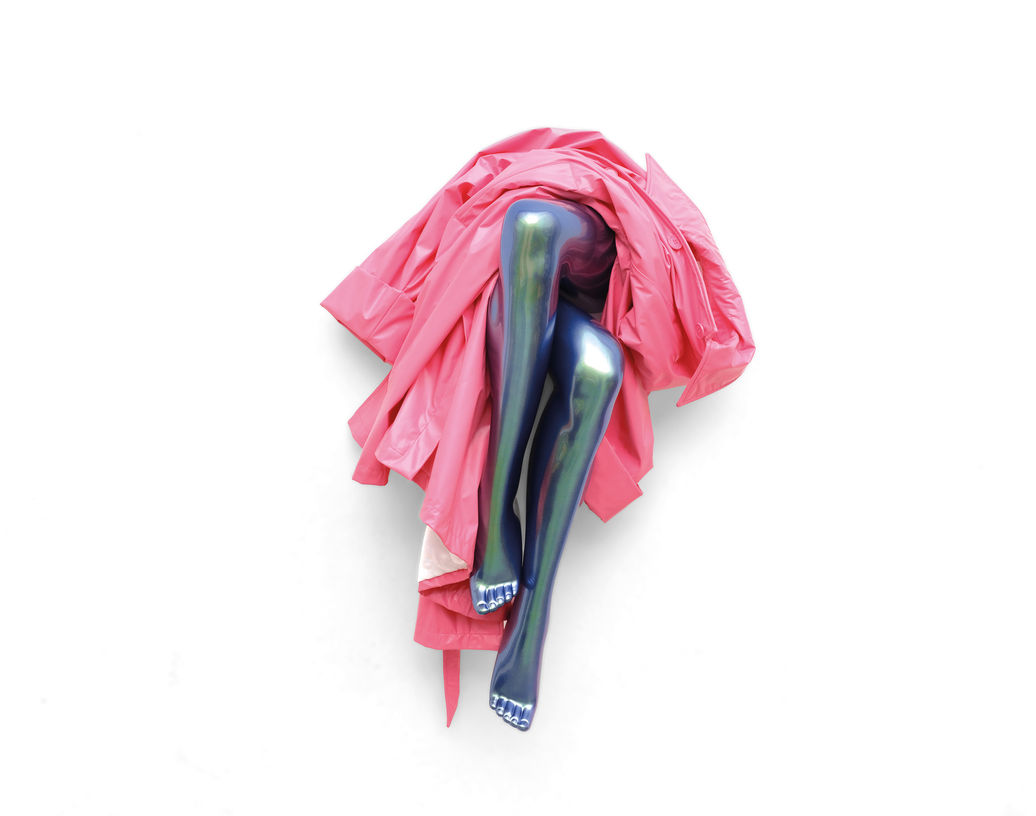
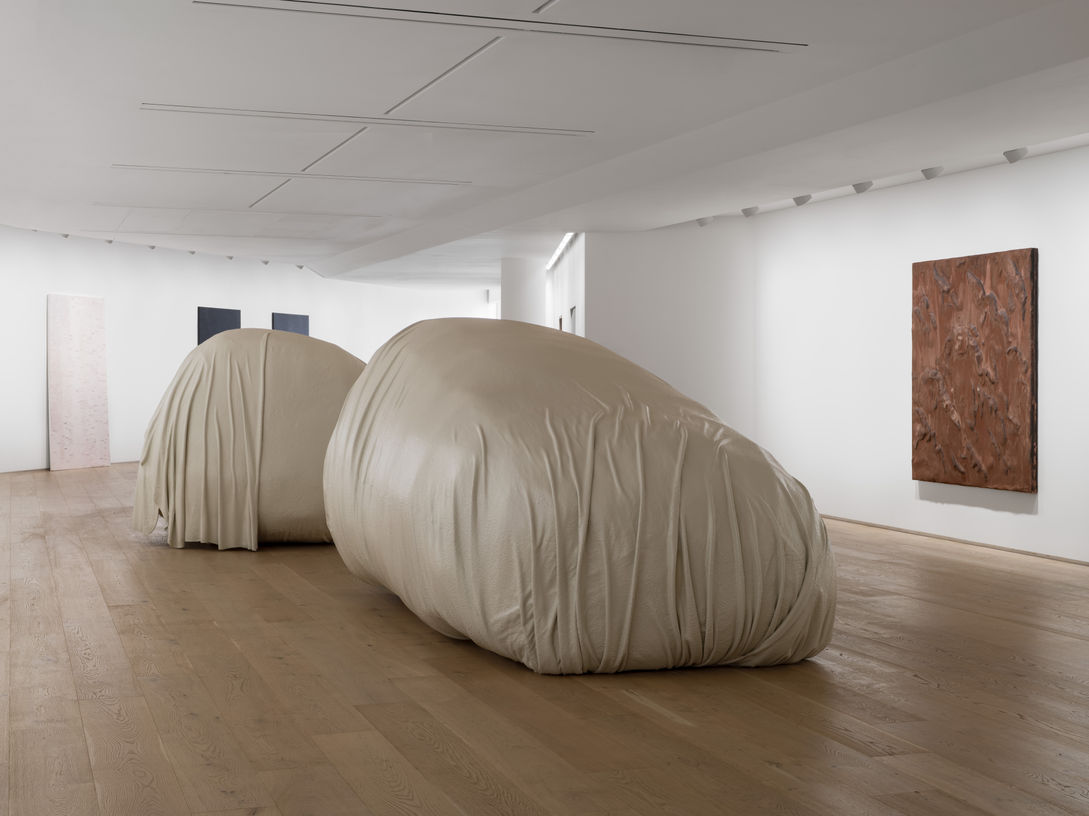
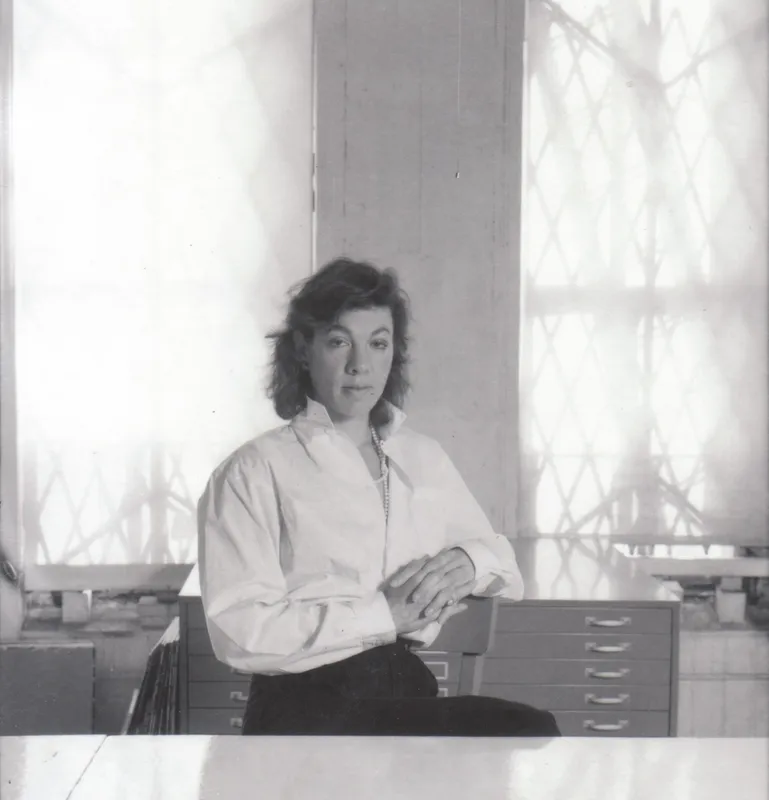
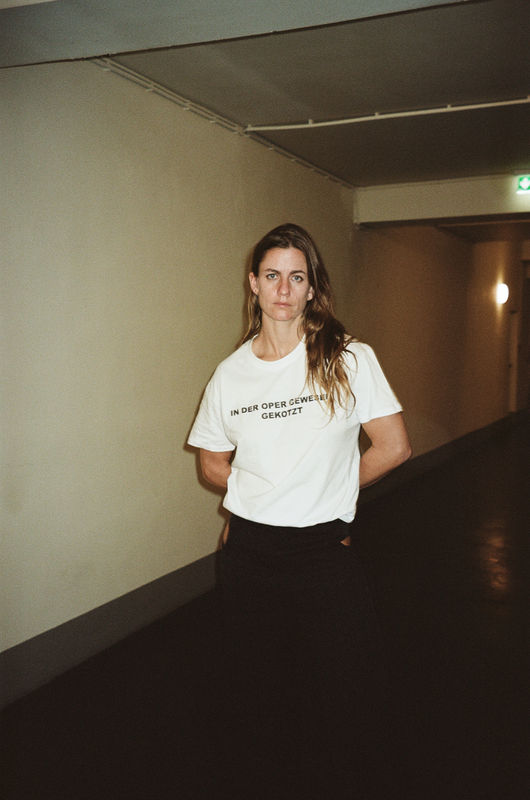
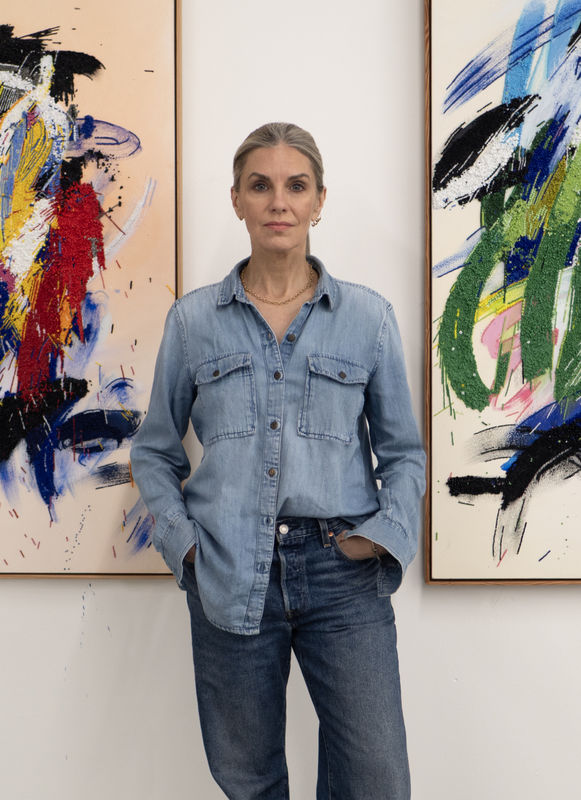
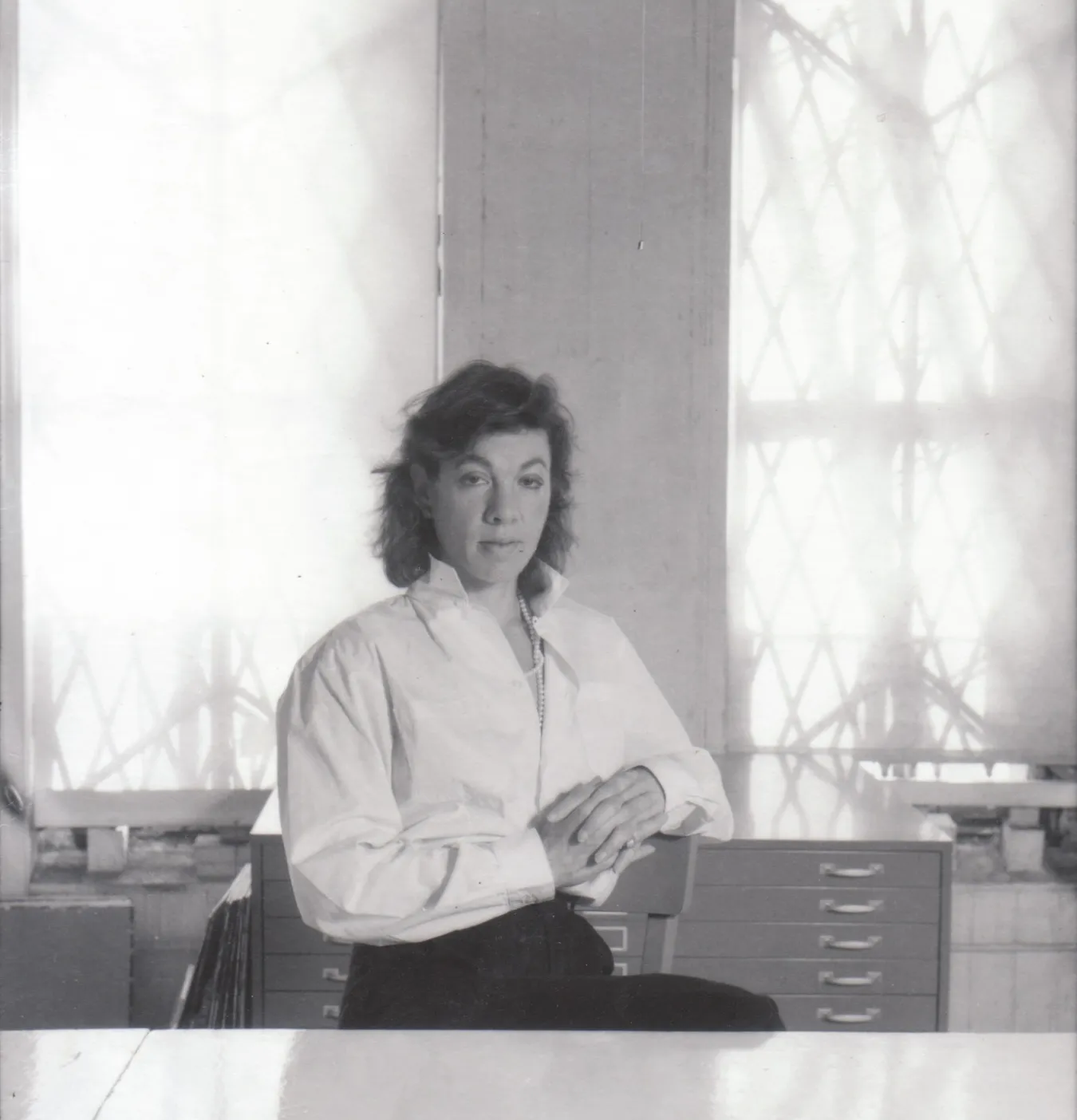
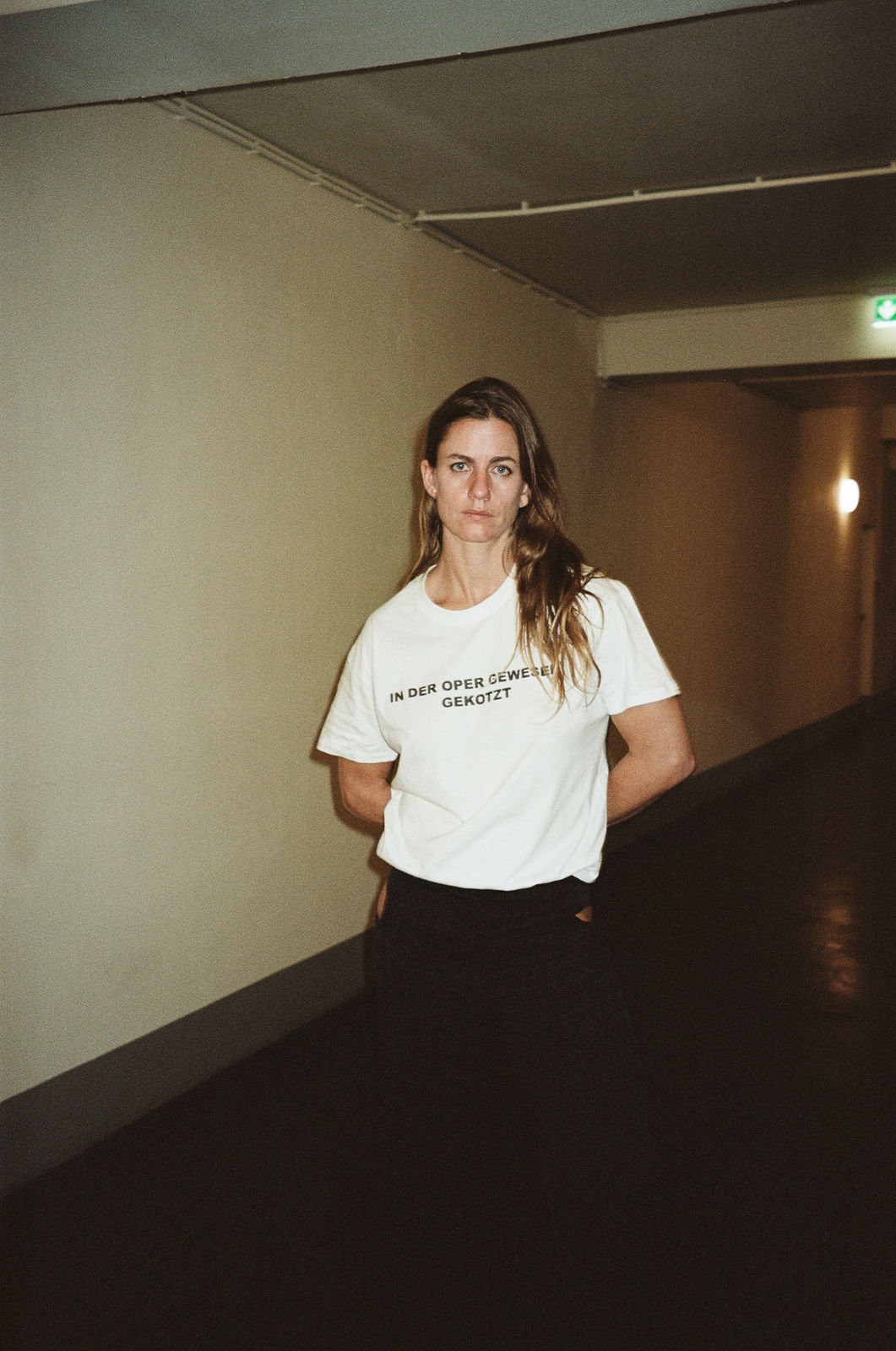
Lisa Brice and Jordan Casteel in The Woman Question: 1550–2025 Group show at the Museum of Modern Art in Warsaw
The exhibition challenges the fallacy that women artists were rare exceptions before the 20th century. It shows that, although often underappreciated and operating against various social restrictions, women have consistently pursued their creative mission: they have determinedly used artistic activities to confirm and perpetuate their presence and the validity of their individual experiences. In addition to presenting the diverse artistic output of women, the exhibition aims to show the power inherent in a new approach to art history – one that demands justice, restores the voices of the “erased” and leads to a revision of the so-called canon.
Before the advent of modern feminism, there was “the woman question.” “La querelle des femmes” was the phrase used by writers such as Christine de Pizan (1364-c.1430) who authored Le Livre de la cité des dames (The Book of the City of Ladies, 1405). Her allegorical city was imagined to be a place to protect and conserve the histories of important women. Pizan’s writing was among the first to articulate challenges to systemic misogyny that was the norm in European society. Asking “the woman question” (as the querelle became known in English) radically identified a previously unrecognized social and political category: women. De Pizan and her cohort of early modern feminist philosophers articulated the link between gender and power, laying the foundation for movements that have come to be known as feminism. “The Woman Question” emerged as a coded refrain for intellectual and political interrogation of women’s subjugation and became a rallying cry for revolutionary and suffragist movements. The exhibition borrows this phrase to describe almost five hundred years of women’s creativity.
The exhibition showcases allegorical representations of power, resistance and sexual violence; it looks at the struggle for access to artistic education; representations of women’s bodies and erotic desires; iconography of motherhood and reproductive choice; women's agency in times of war; and how the role of women in society changes dramatically in times of upheaval. The Woman Question: 1550–2025 brings together works by almost 140 women artists, divided into eight thematic sections.