Antony Gormley: Sculpture is ‘the Most Radical’ of Artforms An essay by the artist
Antony Gormley
The question over the tension between personal liberty and social constraint – the opposition between the desire for adventure and the need for stability, community and the organisation of collective life – has been at the heart of all philosophical investigation from Plato onwards.
As human life becomes more concentrated in an ever more intelligent city, we have accepted a trade-off between the loss of personal freedom and the comforts that urban life has brought. It is within the city that we have entered the cyberage and integrated our digital devices into daily life. This has occurred without, seemingly, there being any resistance. This fundamental change in the way that we relate to experience, our surroundings and all living beings seems to have gone almost unnoticed, as have all the unintended consequences: the change in our neural pathways, physical experience replaced by information and an ever-shortening of our attention spans in an ever more competitive attention economy. All this has completely transformed the way that we live.
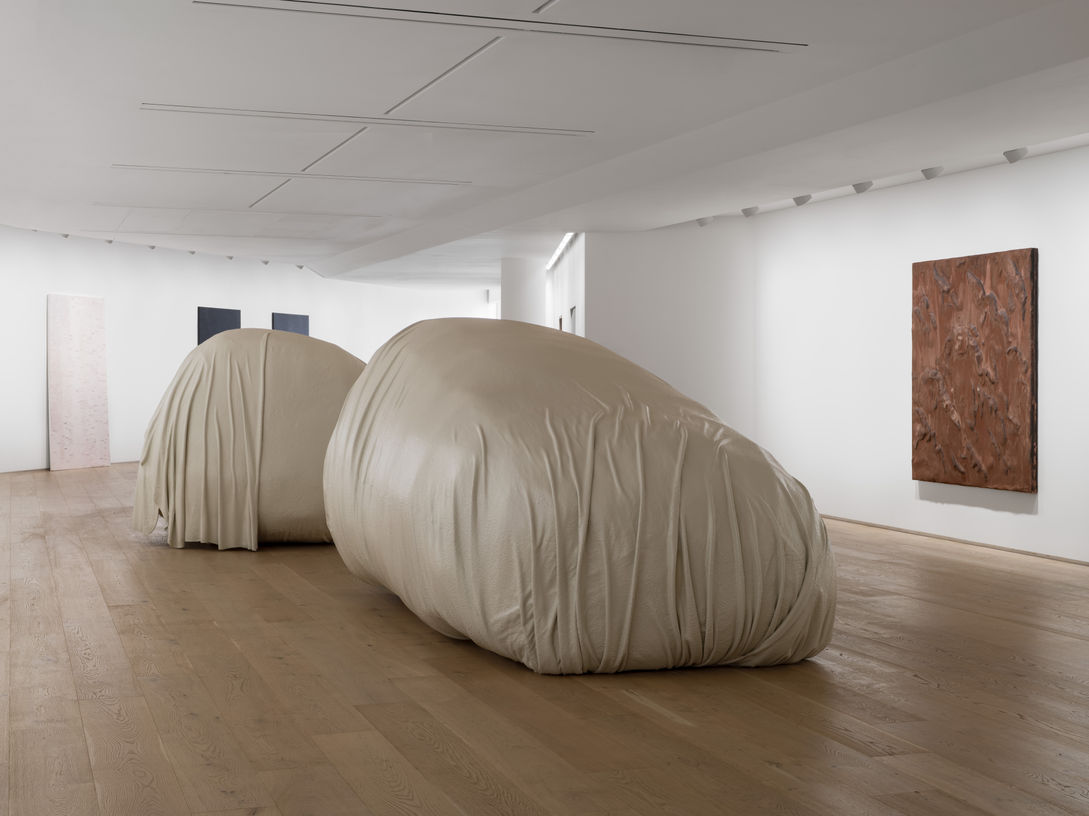
In our species’ history, the urge to shape matter predates language. Sculpture is the most resistant and atavistic of all artforms, but it is also the most radical. It insists that by changing matter, it changes the world. Sculpture, rather than making a picture of a thing, is the thing. In that respect, it is a more powerful agent of change than any two-dimensional representation or symbol. As such, it can act as a powerful antidote to the allure of the virtual that has arrived with screen-based communication. Sculpture reinforces that we are things as well as living beings in a world of things, and that our relationship to the world is most powerfully reinforced in firsthand physical experience.