Ilya and Emilia Kabakov’s Ship of Tolerance sets sail again A wave of global crises have given the installation new poignancy
By Sophia Kishkovsky
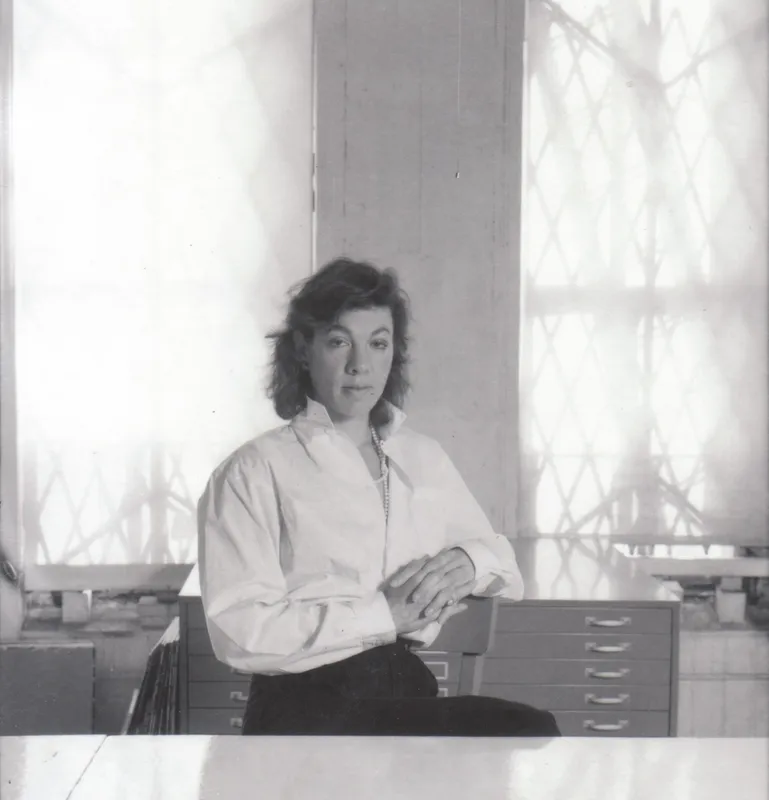
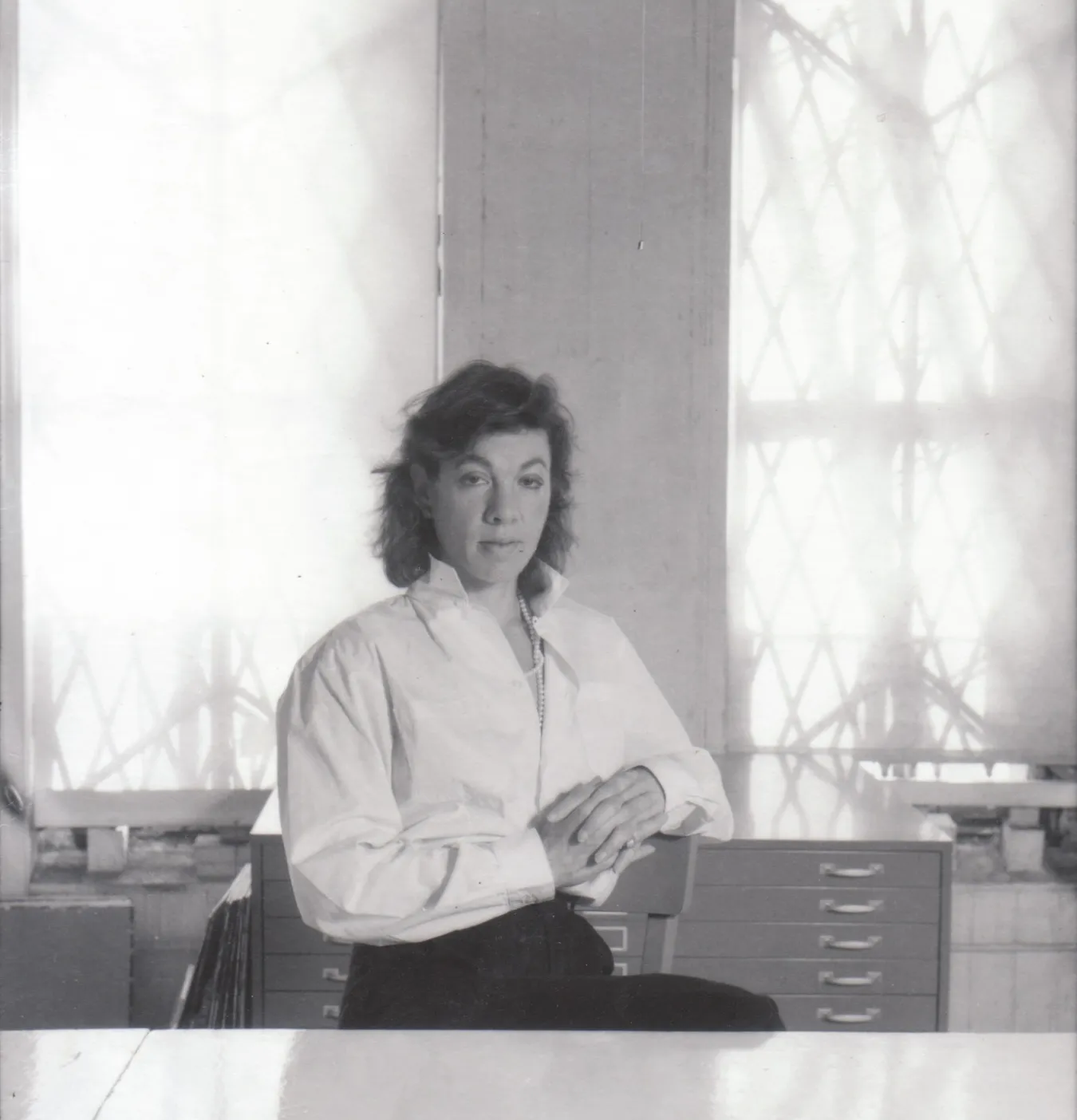
The wars and migrant crises currently roiling the world have given renewed poignancy to Ship of Tolerance (2005-present), an international art project to unite children created two decades ago by the late conceptualist artist Ilya Kabakov (who died in 2023) and his wife and creative partner Emilia Kabakov, who has carried on their work.
The project’s latest iteration opened on 31 May at Oakville Galleries on Lake Ontario, near Toronto, amid US President Donald Trump’s threats of annexing Canada. It is part of an exhibition of the Kabakovs’ work at the gallery, Between Heaven and Earth (until 20 September). (The duo’s work is also the subject of a concurrent exhibition, Kammermusik, at Thaddaeus Ropac in Salzburg, until 19 July.)
Over the years, carpenters from Manchester, England have built a 60ft-long wooden ship at more than a dozen locations around the world, from the inaugural version in Siwa, Egypt to the Venice Biennale, Sharjah, Brooklyn, Miami, Moscow and London. The installation is based on an ancient Egyptian boat design. Children from diverse backgrounds, initially divided by geopolitical and social conflicts, racism and sexism, gather for workshops to create paintings that are joined to create the sails of the vessel. The accompanying programmes also feature music.
The Kabakovs were born in Ukraine and educated in Moscow, which is where Ilya Kabakov first became famous. He spent part of his childhood in Samarkand, Ukraine. Both from a Jewish background, the Kabakovs were also related to each other. Their collaboration as artists began as emigrés in New York.
Kabakov tells The Art Newspaper by email that amid the escalation of the conflict between Israel and Iran at least two more Middle Eastern countries extended invitations to her, underscoring the relevance of Ship of Tolerance.
“It’s very easy to start wars, but it’s incredibly difficult to stop them,” she writes. “I hope that our project will turn thousands of kids, and even their parents, away from trying to solve problems with violence.”
She says the project’s “fantastic success in Canada” is fuelling her determination to bring Ship of Tolerance to new audiences.