Artist David Salle on using an AI model to enhance his painting practice ‘We tried to train it like it was a kid in art school’
By Louis Jebb
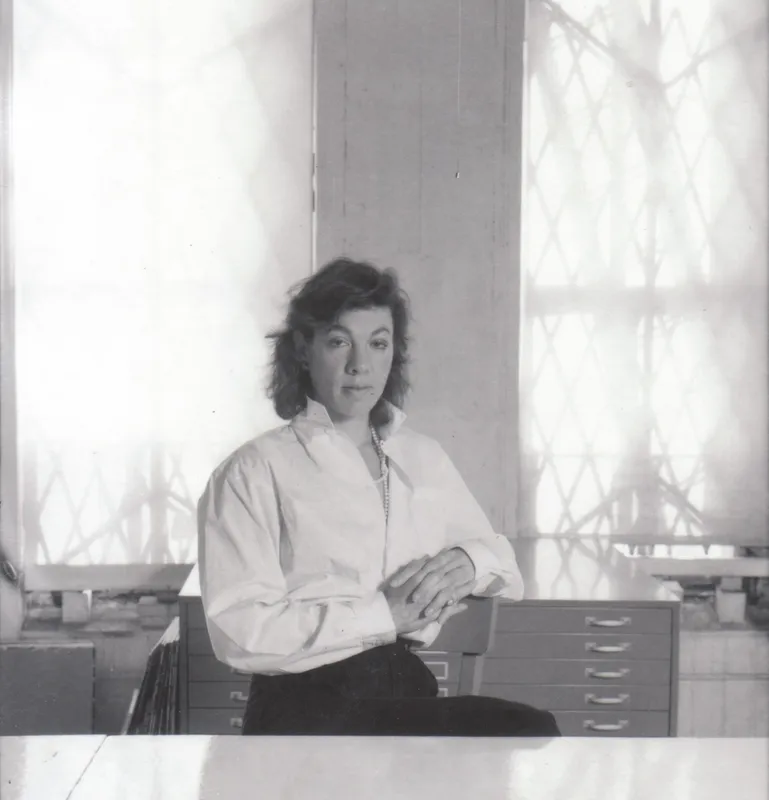
David Salle is a notably articulate and thoughtful artist. His published interviews—covering the four decades since he captured critical attention in New York and Europe in the early 1980s with his first shows of paintings—and his own published writings (collected in How to See: Looking, Talking, and Thinking about Art, 2016) reveal an informed take on art history. They also elegantly express the development of his artistic process.
Salle is a regular contributor to the pages of The New York Review of Books. A January 2024 article for that publication, on the retrospective Alex Katz: Gathering at the Guggenheim New York (2022-23), demonstrates the controlled pacing in Salle’s prose, an immediate, precise turn of phrase and a clear-eyed, direct, often generous, critical outlook. “As you made your way up the Guggenheim’s spiral ramp,” he writes, “it was one god-damned masterpiece after another, triumphs of point of view, of touch and colour and composition. Of image. Of style.” And of Katz’s early New York subway drawings, from the 1940s, Salle writes: “They’re only quick sketches, but he was already absorbing a first principle: that specificity—of perception and also of the marks themselves—is everything; the generic is the enemy of art.”
Salle has brought this critical eye and concern for specificity to bear over the past two years when working with the engineer Grant Davis on training an artificial intelligence (AI) model to serve as a tool in his work. Salle and Davis have trained a custom version of Stable Diffusion, one of the leading image to text AI models, to generate intriguing machine-learning backgrounds recalling Salle’s existing paintings.
Salle has taken these images generated “with the machine”, printed them on linen as backdrops and then, working in response to them, has painted overlapping, dramatised groupings of vividly pigmented everyday objects: fragmented figures, male and female, in bathing suits or sun dresses; disembodied arms and forearms; plaid skirts and bikinis. The finished works are tinged with Salle’s trademark ambiguity and a lurking social anomie, expressed in a knowing post-Pop Art play. They carry mordant references to the commercial illustrator or cinema poster artist’s take on the American Dream, which was embedded within Salle’s 1950s childhood in the US Midwest. This new body of paintings is collected together in Some Version of Pastoral, at Thaddaeus Ropac in London, the latest works in a corpus first shown at the Gladstone Gallery in New York in November 2024.