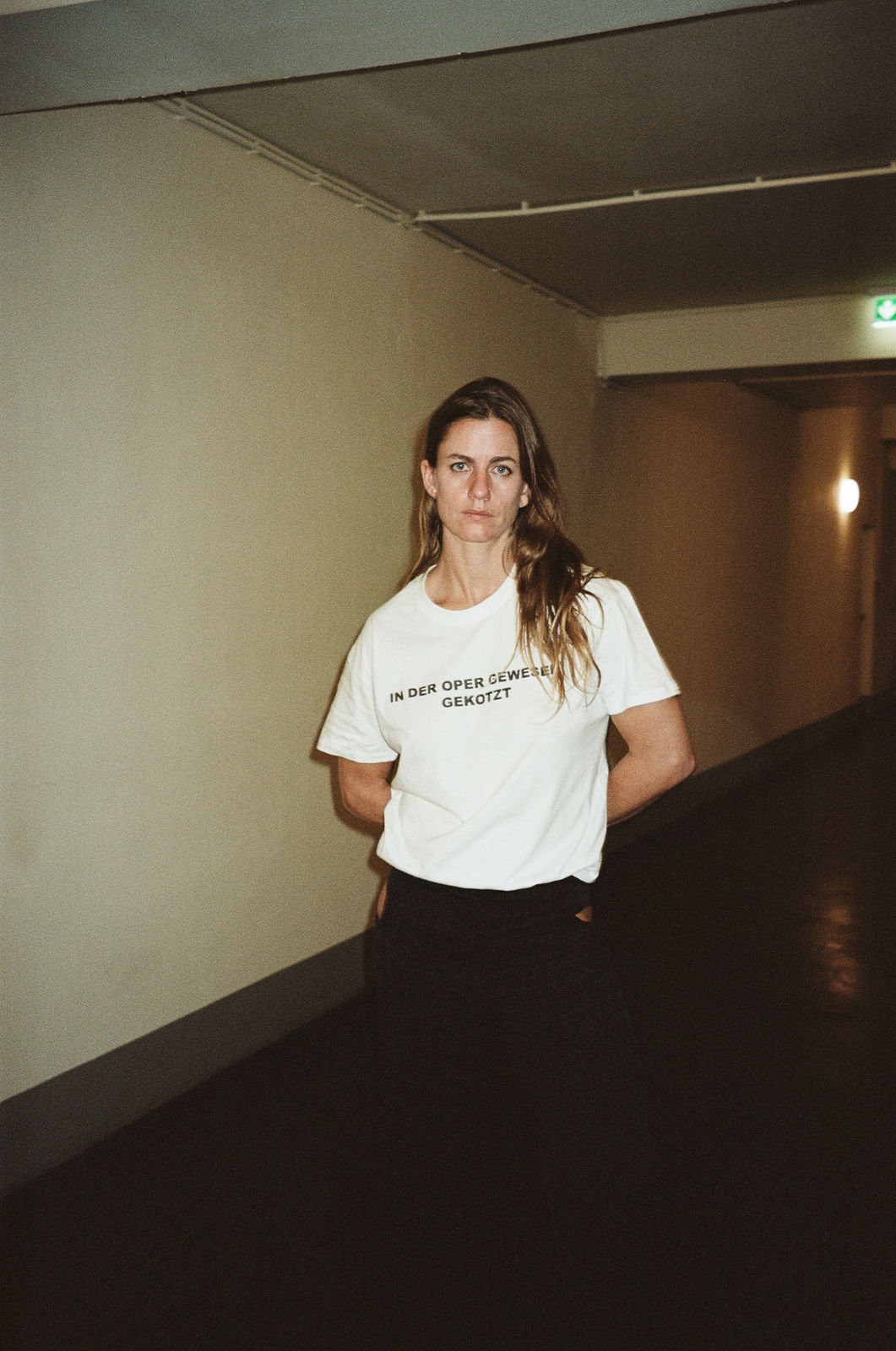
Martha Diamond The Bowery Artist Tribute Interview
Overview
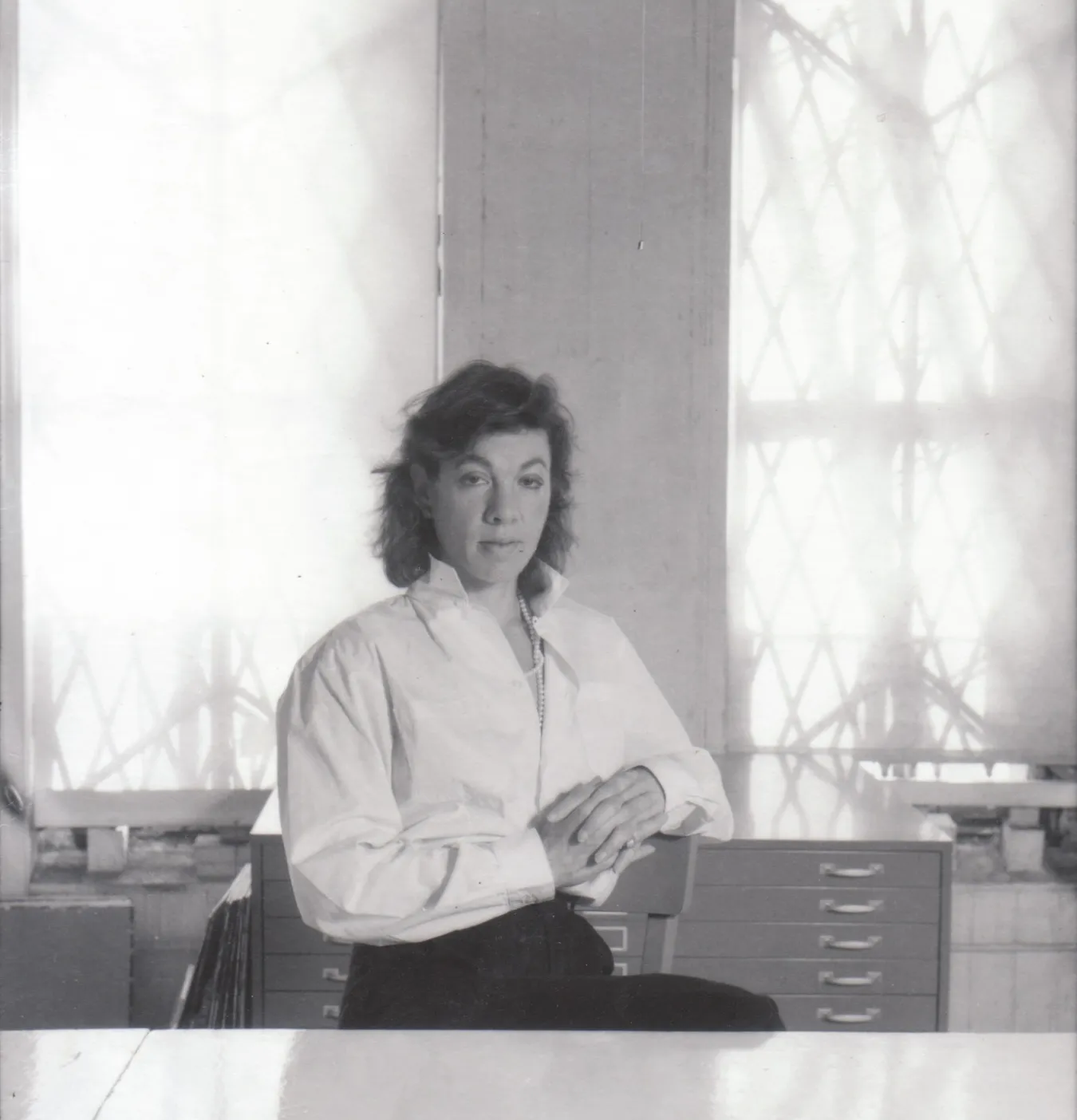
I moved into my loft on the Bowery in 1969. Half of the space I used as a painting studio. There are still marks on the floor from when it used to be a flophouse and people would build divisions with chicken wire and two by threes and stay for less than a dollar a night. This was early on.
I found my loft through Al and Wyn Loving, two painters from Michigan, when I went to a party of theirs. They lived three doors south in a building with four other painters, one sculptor, a dancer, and two children. You couldn’t tell from the outside, but painters, poets, musicians, and students filled up the next two blocks. The rent was so low. At night there were terrific artist parties from building to building.
Howard Buchwald was very generous to me and had a big effect on my work. One day, he came to my studio to take a look. I had been painting with acrylic. After just a few minutes Howard left, saying he would be right back. He soon returned with two large shopping bags full of damaged tubes of oil paint he had gotten from the Bocour [Artist Colors] paint factory. Leonard Bocour would give artists damaged tubes for free. The tubes might have been dented or soiled on the outside, but the paint was fine. Howard thought oil paint would better suit my efforts. He was correct, and he gave me enough materials to experiment freely. He opened the paths for me. Thank you, Howard!
Many local people would hang out in garden chairs on Elizabeth Street with open fire hydrants when the weather was warmer. They would barbeque in the hallways indoors. The building north of me was mostly empty, and homeless people would make fires on the wood floors in cold weather. Nights on the Bowery were very dark. There were almost no cars and very few streetlights. When it was late at night you would walk near the curb, never up against the buildings or doorways, so that no one could grab you. The second or third night in my place, I looked out my window and saw in the middle of the Bowery a large chalk outline of a body. Someone had been hit by a car.
The tallest buildings at the time were about five-stories high. On the east side of the street there were many empty lots. Sammy’s Bowery Follies used to be next to where the Whole Foods is now. It was a bar where old ladies would perform burlesque and where I would buy my cigarettes. Gambling would take place in bodega basements, and drug dealers would stand at the corner of Bowery and Houston.
We did have some stores: three butchers, a hardware store, three bodegas, a doughnut shop, a pharmacy, and a few Italian bakeries. There were also Bella’s Café and Buffa’s Luncheonette that had been there since 1927. There were no clothing stores and nowhere to buy newspapers or yoghurt. It was a neighborhood. There were no general art supply stores, but you could buy paint and brushes locally from people who manufactured their own.
One day I came across a few overturned cardboard boxes on the sidewalk, and on top was a pink floral glass pitcher and four matching glasses. Somebody had just left them after sitting to drink. Those pink glasses were a sign that the neighborhood was improving. I took them home.