Overview
‘Light and rhythm are such a basic part of order — almost everything can be defined that way, joy as well as monumentality. They can be thrilling even before they become attributes. That’s where my spirituality lies.’
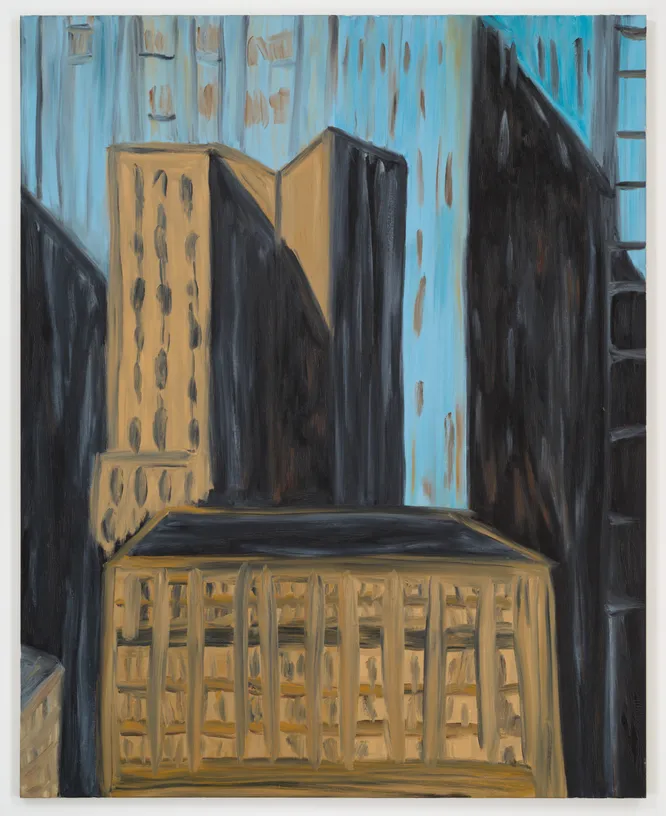
Over the course of more than sixty years, Martha Diamond developed a distinctive body of work that explores the fertile space between abstraction and the cityscape. Working across large-scale canvases, small studies in oil on board and prints, she found her voice distilling the familiar geometry of urban architecture into audacious yet carefully composed brushstrokes. Her work is distinguished by a profound engagement with the language and ideas of abstraction, reflecting her grounding in the experimental energy of the avant-garde movements that surrounded her in her native New York in the second half of the 20th century. Although often sourced in the vertiginous heights and unyielding contours of downtown New York City, the familiarity and universality of the forms she painted transcend specific places, encouraging the viewer to look beyond representation and engage with the works’ painterly qualities – structure, light, colour. Reimagining the tradition of landscape painting for a modern metropolis, Diamond’s works capture both the velocity and the formal beauty of the urban world.
Beginning in the late 1960s, Diamond surrounded herself with the circle of poets and artists associated with the New York School, in which she was an active participant. After moving to a loft on the Bowery in 1969, the city views from her window became a lasting source of inspiration. Early in her career, she absorbed the influence of abstract expressionism and lyrical abstraction, and by the 1970s she had developed a distinctive painterly vocabulary: dense impasto brushstrokes arranged in furrows and dabs that shaped images of human constructions – huts, towers, pylons and haystacks – set in isolation against contrasting grounds painted on aluminium. Over time, Diamond built a repertoire of recurring motifs, primarily made up of what she described as ‘architectural and archetypal forms’: as she remarked, ‘my fascination is usually with human-made spaces’. At the turn of the 1980s, these archetypal forms developed into the explicitly urban figurations on canvas that have become her most recognisable works.
Over the course of more than sixty years, Martha Diamond developed a distinctive body of work that explores the fertile space between abstraction and the cityscape. Working across large-scale canvases, small studies in oil on board and prints, she found her voice distilling the familiar geometry of urban architecture into audacious yet carefully composed brushstrokes. Her work is distinguished by a profound engagement with the language and ideas of abstraction, reflecting her grounding in the experimental energy of the avant-garde movements that surrounded her in her native New York in the second half of the 20th century. Although often sourced in the vertiginous heights and unyielding contours of downtown New York City, the familiarity and universality of the forms she painted transcend specific places, encouraging the viewer to look beyond representation and engage with the works’ painterly qualities – structure, light, colour. Reimagining the tradition of landscape painting for a modern metropolis, Diamond’s works capture both the velocity and the formal beauty of the urban world.
Beginning in the late 1960s, Diamond surrounded herself with the circle of poets and artists associated with the New York School, in which she was an active participant. After moving to a loft on the Bowery in 1969, the city views from her window became a lasting source of inspiration. Early in her career, she absorbed the influence of abstract expressionism and lyrical abstraction, and by the 1970s she had developed a distinctive painterly vocabulary: dense impasto brushstrokes arranged in furrows and dabs that shaped images of human constructions – huts, towers, pylons and haystacks – set in isolation against contrasting grounds painted on aluminium. Over time, Diamond built a repertoire of recurring motifs, primarily made up of what she described as ‘architectural and archetypal forms’: as she remarked, ‘my fascination is usually with human-made spaces’. At the turn of the 1980s, these archetypal forms developed into the explicitly urban figurations on canvas that have become her most recognisable works.
With their oversized brushstrokes, vivid colour and subjective approach to figuration, Diamond’s paintings bear many of the hallmarks of neo-expressionism, but the artist rejected this label, emphasising that her paintings were concerned with perception rather than the direct expression of emotion. Often working on a monumental scale and utilising close crops that mirror the limits of human sight, she depicted the embodied experience of the city: skyscrapers so tall that they exceed the top edge of the picture plane, or corners of buildings that dissolve into the darkness of night. Remarkable for her ability to capture the essence of looking at and living in the city, as critic Jonathan Griffin writes: ‘What Frank Auerbach did for Camden Town, and Monet did for Paris, and De Chirico did for piazzas all over Italy, Diamond did for Manhattan. None of these artists were bothered with assiduous documentation of the built environment so much as with conveying how it felt to them – citizens who moved through it daily. Diamond paints the sensation of New York’.
As Diamond stated: ‘My painting history is about solving problems.’ At the heart of her practice are questions about the act of artmaking itself. As the artist explained: ‘If I express anything, it’s how the brush works. [...] And I found a way to hang what I believe onto an image. The crucial thing in my work is the painting of it.’ As Levi Prombaum and Amy Smith-Stewart set forth, ‘the quick feeling in Diamond’s art results from slow looking’, and she rigorously reiterated individual perceptions across mediums and techniques. Diamond’s paintings of built space – luminous and lyrical, and charged with a sense of constant motion – belie her labour-intensive process, characterised by a meticulous attention to material, gesture and the possibilities of the brushstroke. For Diamond, the city is a vehicle through which to explore painting itself.
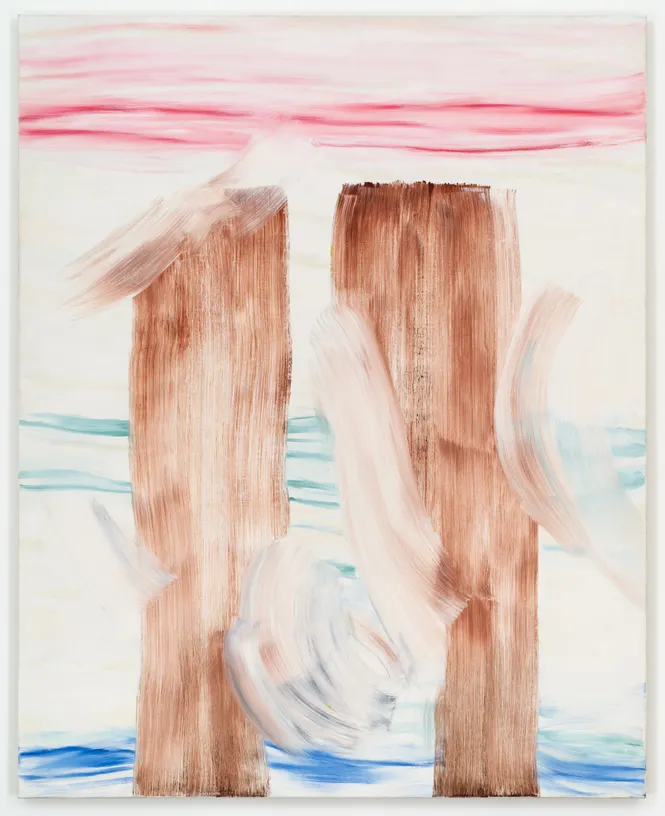
From the late 1980s, Diamond began transferring the painterly exhilaration of her architectural works onto a new body of abstract paintings. For the remainder of her career, pure abstraction accompanied her cityscapes, evolving from the jubilant fields of unmitigated colour and gesture of the 1990s to the controlled monochromes of the 2000s. These later compositions, built from isolated and repeated gestures and forms, nevertheless retain a strong phenomenological presence, evoking the geometry of high-rise structures as readily as the rudimentary shapes of ancient architecture. Diamond dealt with, as Grace Glueck observed, ‘history and the human soul in the most elementary painterly terms’. Across her oeuvre, she orchestrated forms of universal and historical resonance into a sustained search for memory, time, and, in the artist’s own words, ‘infinity’, pursued through the brushstroke.
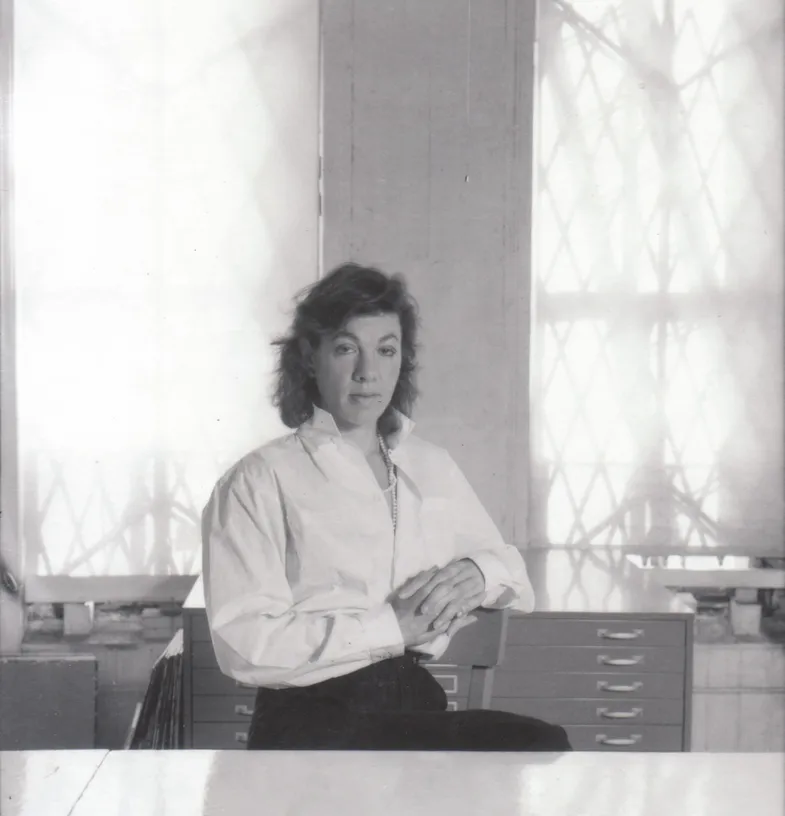
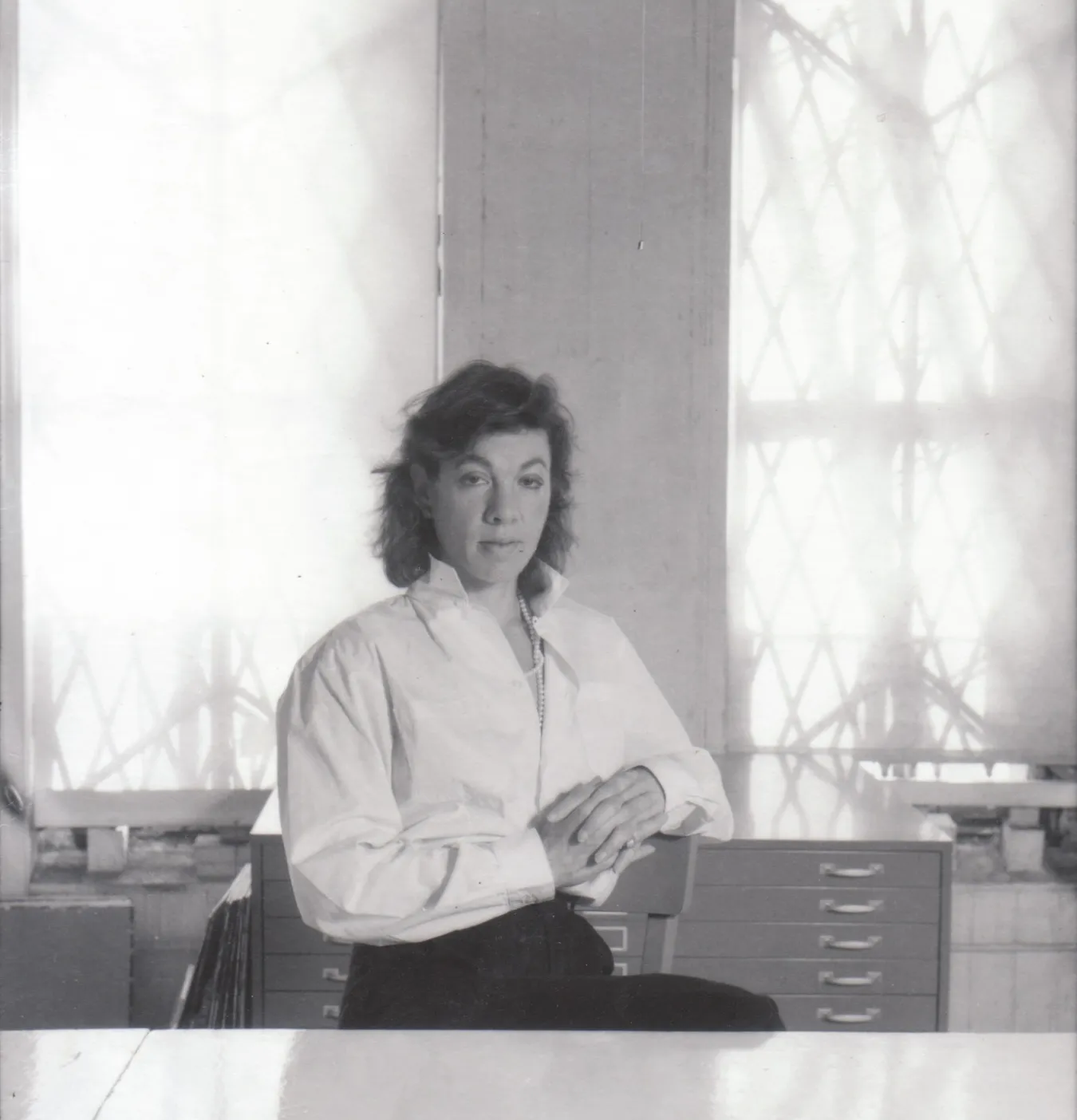
Martha Diamond (1944–2023) was born in New York City, where she lived and worked for most of her life. She received her BA from Carleton College in Minnesota in 1964 and graduated from the Alliance Française de Paris in 1965. After a period of living in Paris, she returned to New York, where she received an MA from New York University in 1969. From 1971 to 1975, she taught printmaking at the Solomon R. Guggenheim Museum, New York. Like many other New York painters of her generation, Diamond forged a lasting connection with Maine, summering on Deer Isle and teaching at the Skowhegan School of Painting and Sculpture, where she served on the board of governors for 36 years. In 2001, she was the recipient of an American Academy of Arts and Letters Award in Art.
Diamond has had numerous significant institutional exhibitions. In 1988, a mid-career survey was held at the Bowdoin College Museum of Art in Brunswick, Maine, concurrently with an exhibition of her prints at the Portland Museum of Art. Her work was included in the 1989 Whitney Biennial alongside that of Ross Bleckner, April Gornik, Brice Marden and Joel Shapiro. In 2004 she was the subject of a three-decade survey at the New York Studio School, and in 2023, her work featured in a group exhibition curated by David Salle at the Hill Art Foundation, New York. In 2024–25, a five-decade survey exhibition of the artist’s work, titled Martha Diamond: Deep Time, was held at Colby College Museum of Art, Waterville, ME, and The Aldrich Contemporary Art Museum, Ridgefield, CT. An exhibition of her work will open at the Sara Hildén Art Museum, in Tampere, Finland in September 2026.
Diamond’s work is held in the collections of the Brooklyn Museum, New York; Solomon R. Guggenheim Museum, New York; Museum of the City of New York; Museum of Modern Art, New York; Whitney Museum of American Art, New York; Museum of Fine Arts, Boston; Art Institute of Chicago; Museum of Fine Arts, Houston; National Gallery of Australia, Canberra; and National Gallery, Berlin, among others.
Watch a video

Technically speaking, Martha’s paintings are up there with the best painters of the time. The paint strokes in her works achieve a sense of tone that can go up against anybody. And on top of that, the imagery is incredibly inventive. Those are the two things about her that make her so good.
— Alex Katz
Artworks


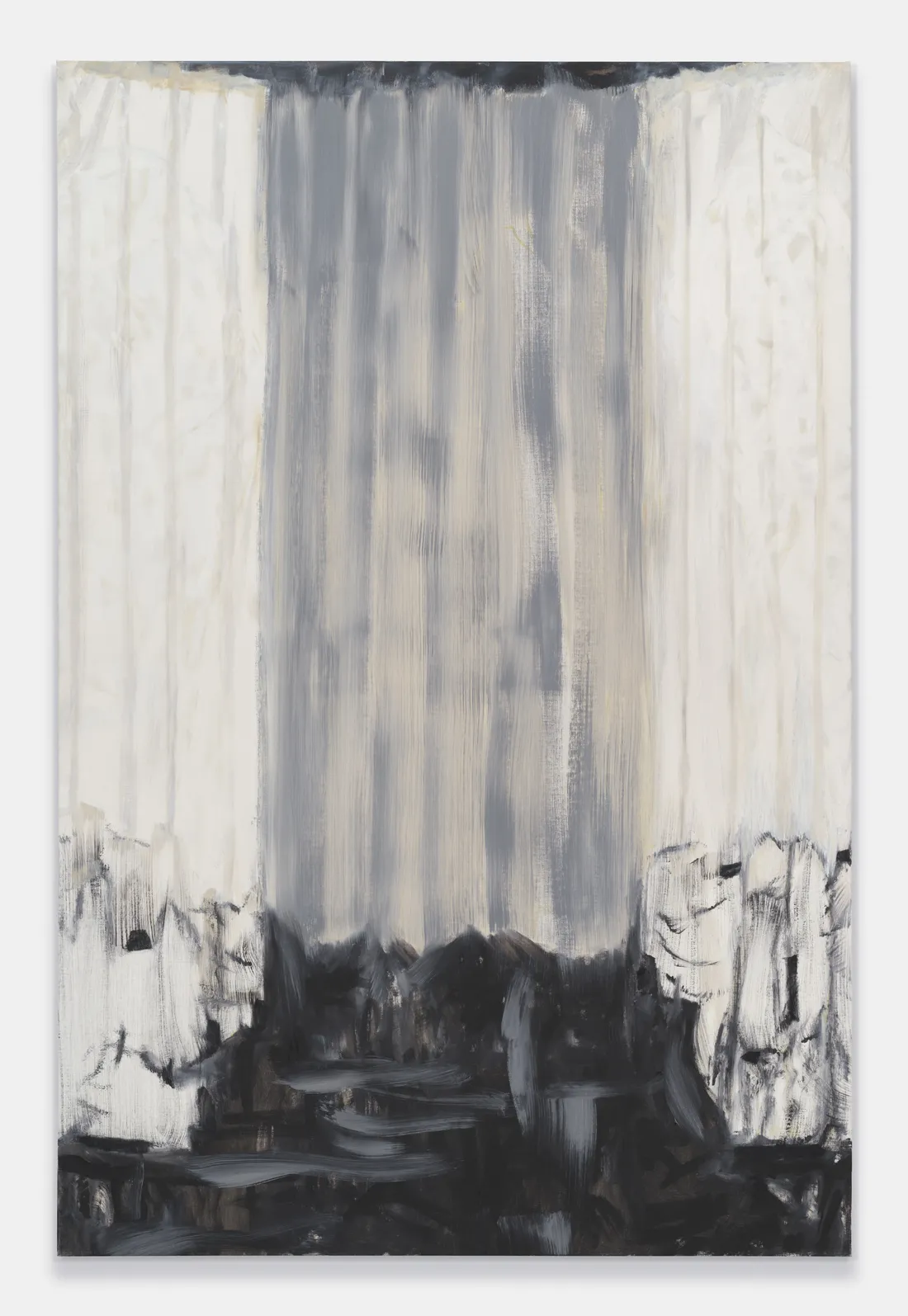
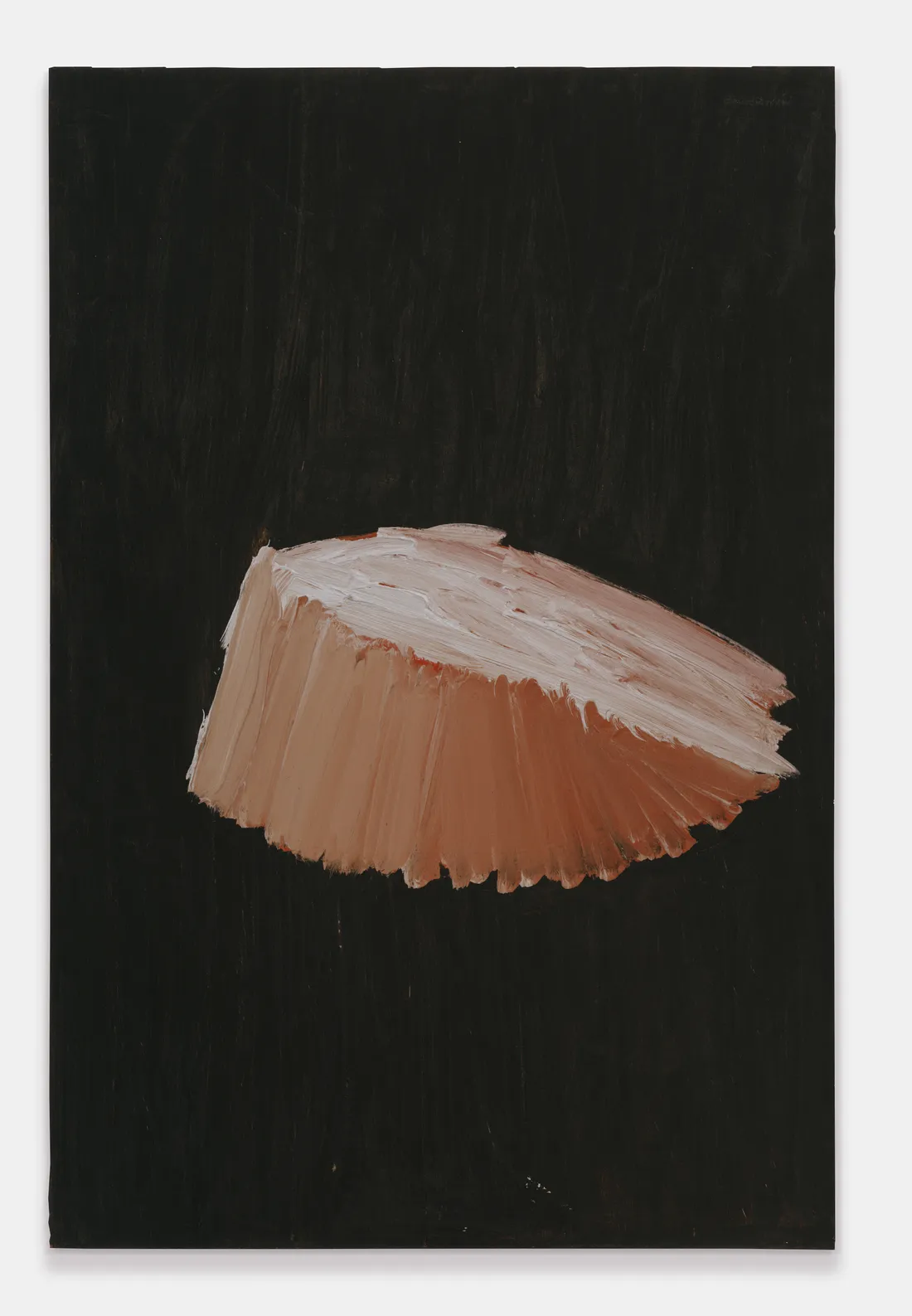
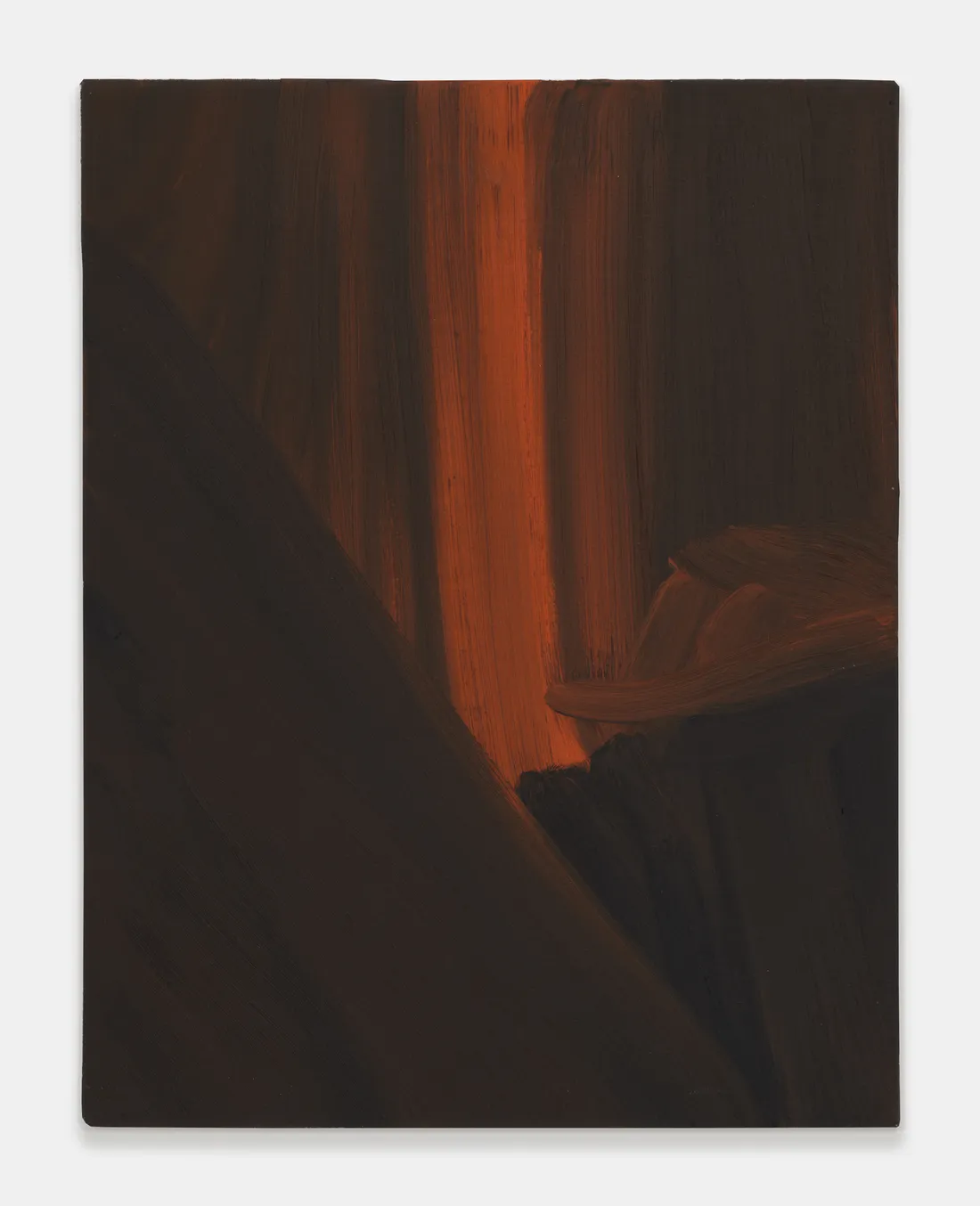

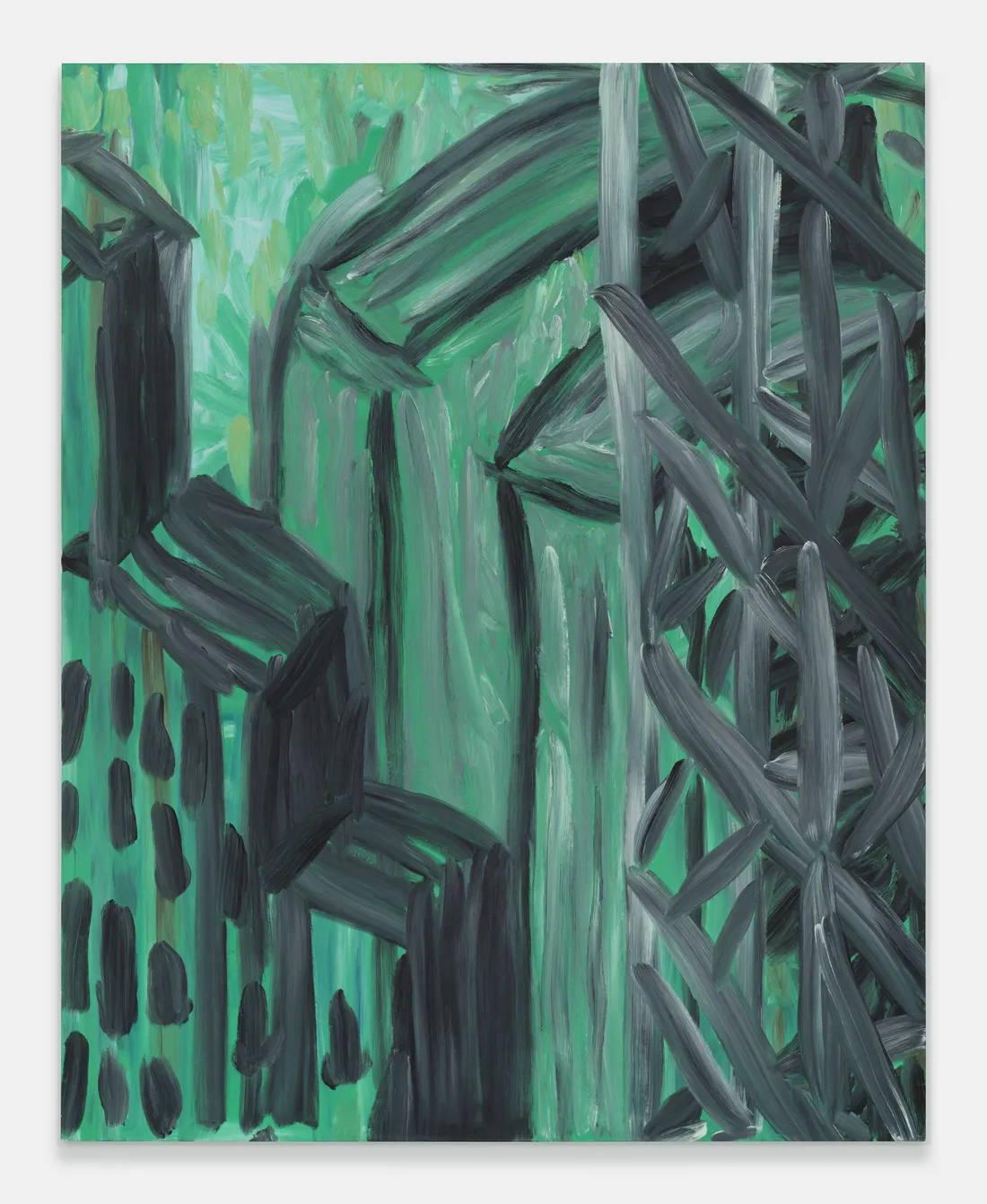
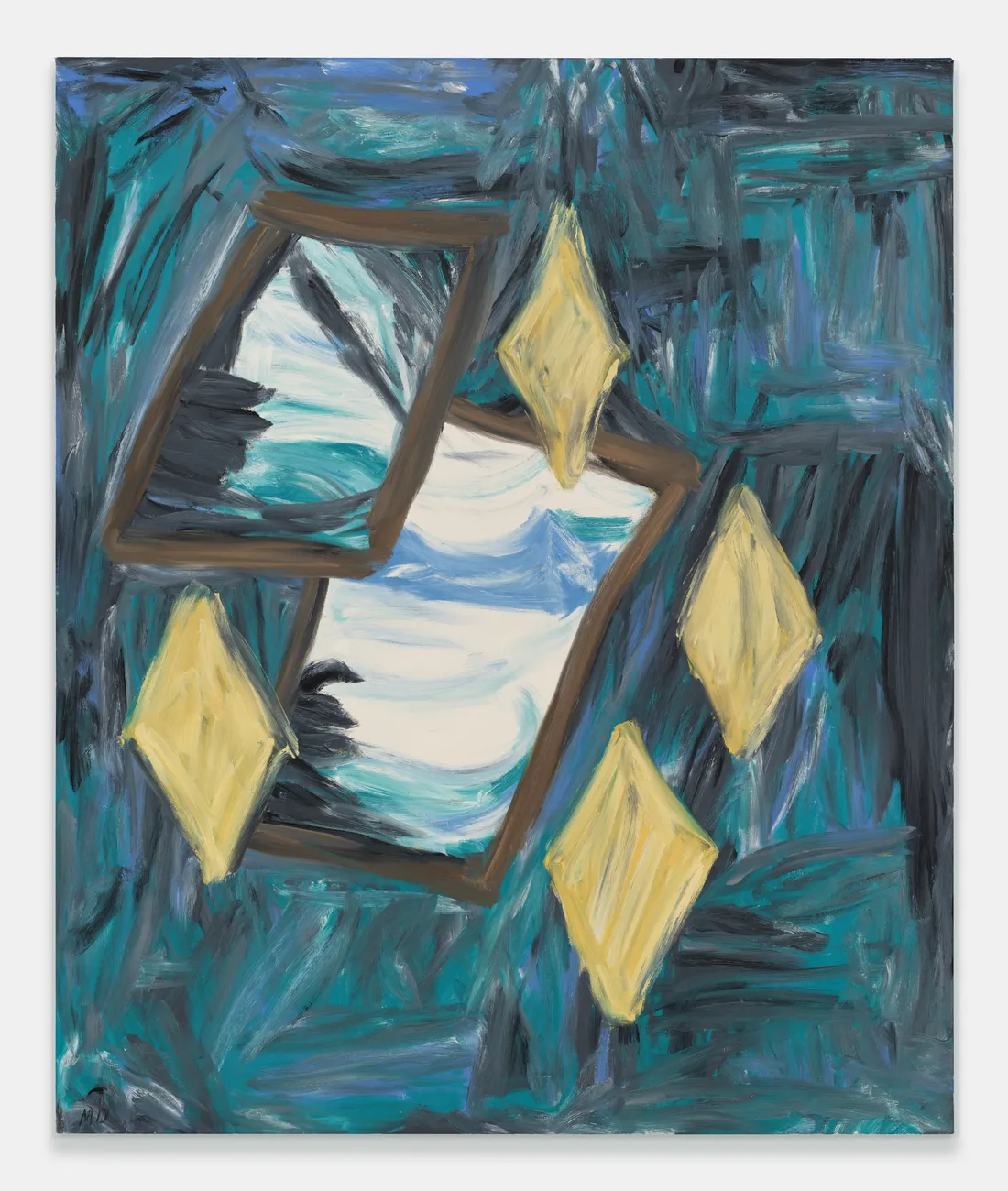


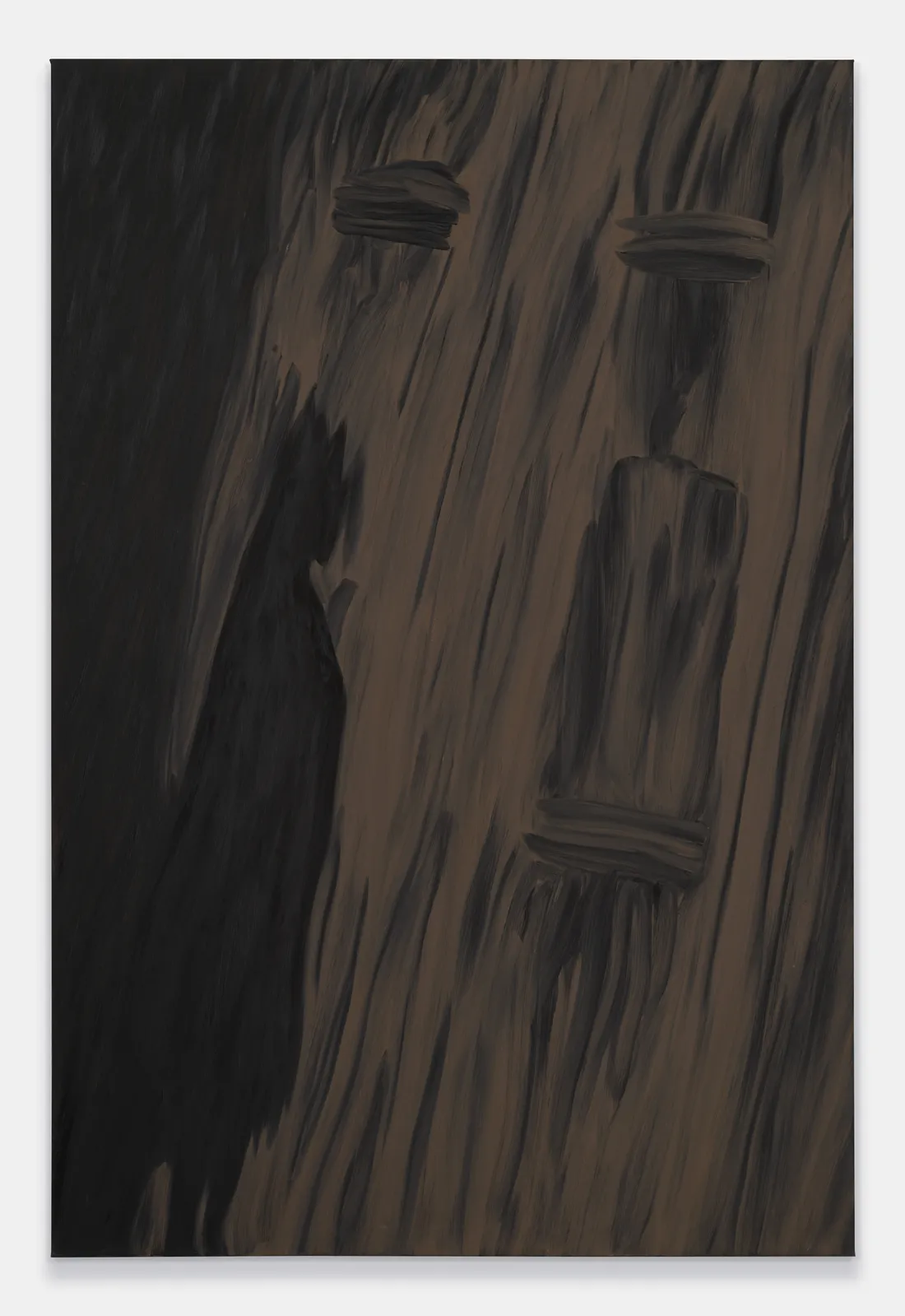
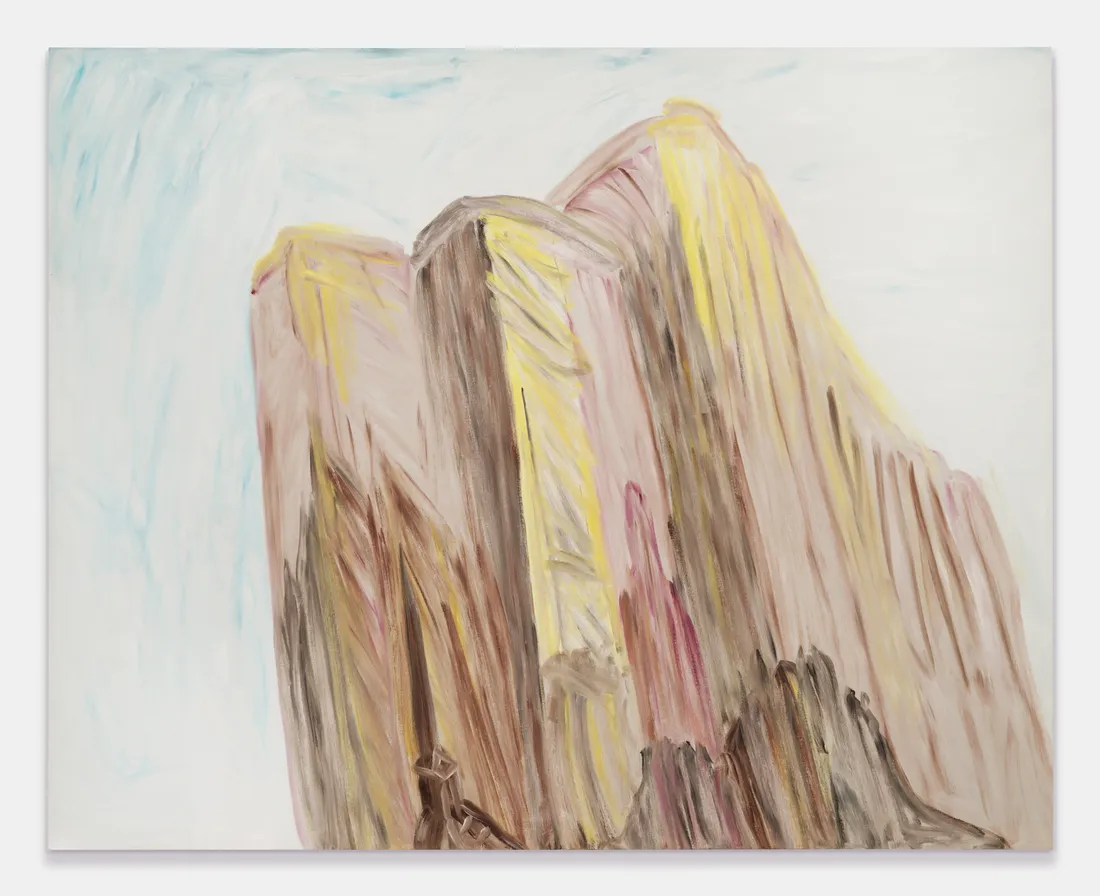
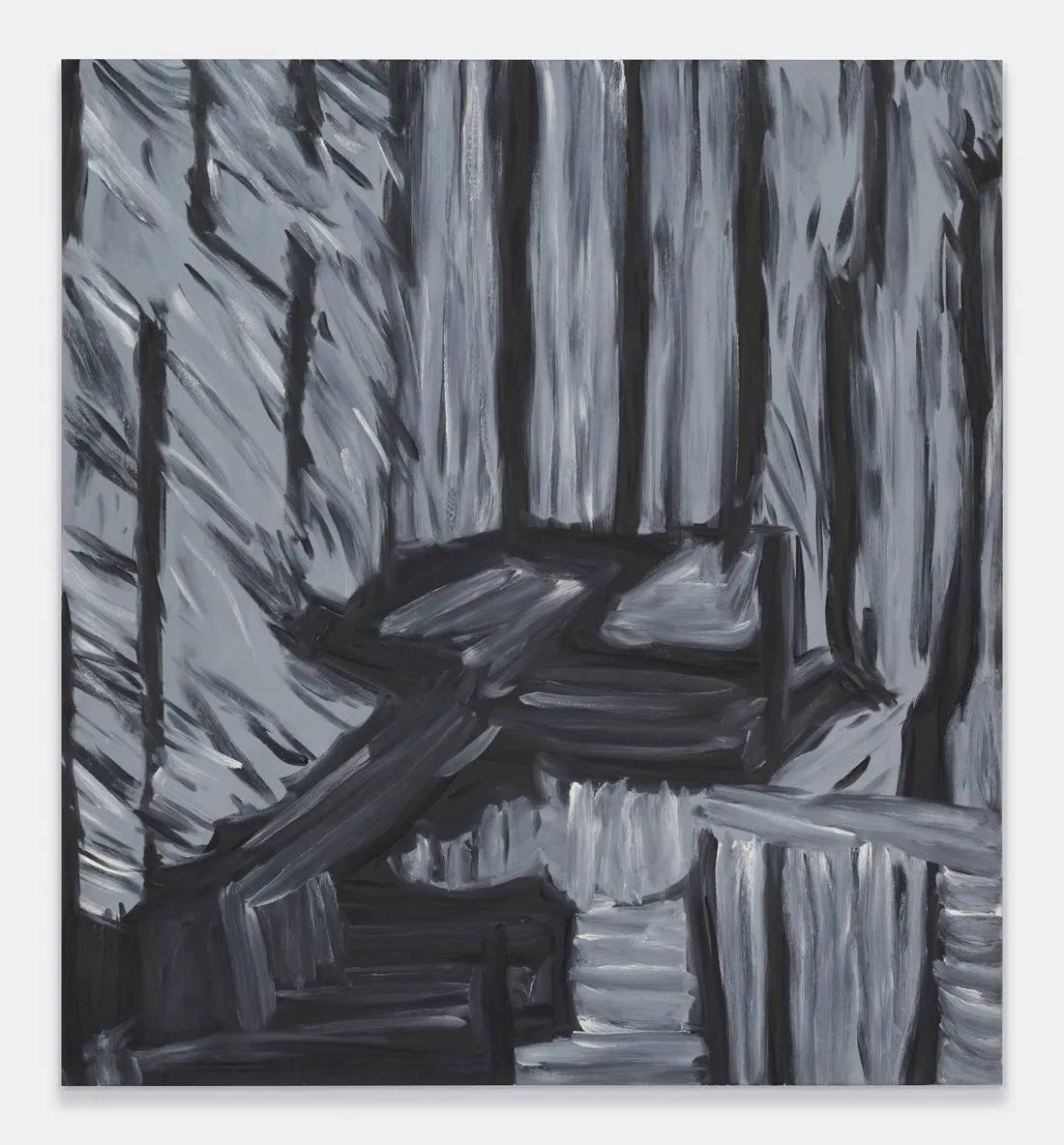
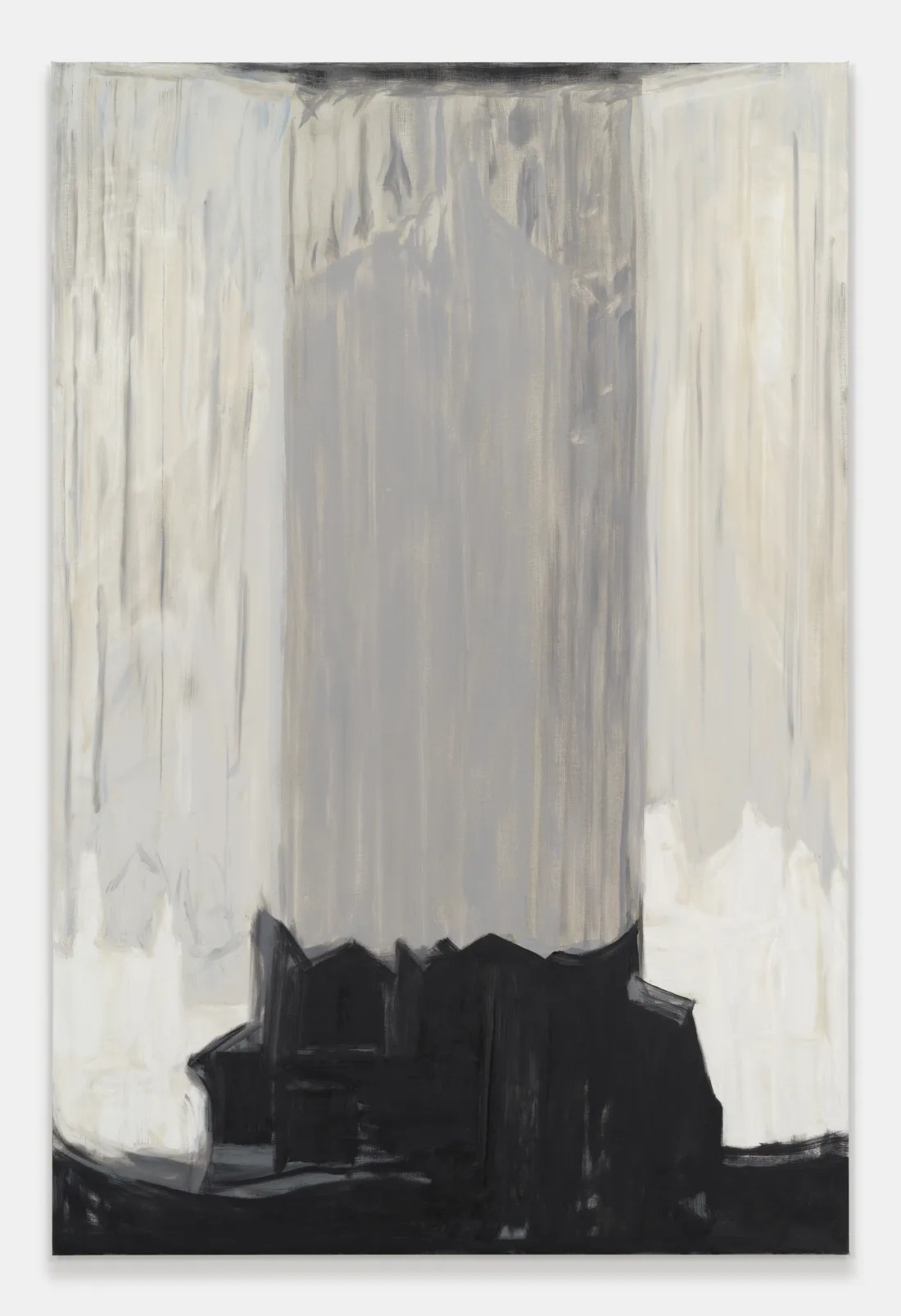

The work is lyrical, light, and imbued with a sense of pleasure, if not a sustained moment of delirium – aspects that give Diamond’s paintings their unique visionary edge.
— Jan Avgikos, Artforum, September 2025